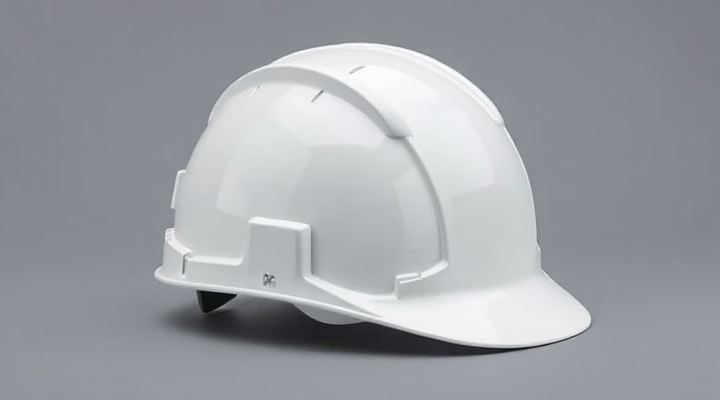
You need to wear a hard hat the right way to keep your head safe at work. First, check your hard hat for any damage. Next, fix the suspension system so it fits well. Put the hard hat flat on your head. If your hard hat has a chin strap, always use it. A good fit helps your hard hat protect you as part of your ppe. Some mistakes can make your hard hat less safe, like:
Wearing the hard hat backwards (unless it is made for that)
Not fixing the suspension system
Changing the hard hat
Wearing it too high or too low
Not thinking about things around you
Pick a Safety Helmet if you need more protection.
Key Takeaways
Always check your hard hat before you use it. Look for cracks or dents. Make sure the suspension system is not worn out. This helps keep you safe.
Adjust your hard hat so it fits well. A helmet that fits right will stay on your head. It gives you better safety while you work.
Use a chin strap in high-risk places. The chin strap keeps your hard hat on your head. It stops the hard hat from falling off.
Follow OSHA rules when you wear a hard hat. Wearing a hard hat in the right places protects your head. It also follows the law.
Pick the right headgear for your job. Safety helmets protect you more than hard hats. They are better in dangerous places.
Safety Importance
Risks of Incorrect Wear
You put yourself at risk when you do not wear your hard hat the right way. Many injuries happen because workers ignore basic safety steps. If you wear your hard hat backward, you can block your vision, especially when you climb ladders. This mistake can lead to falls or bumps. A loose or poorly adjusted hard hat can slip off during work, leaving your head exposed. Some of the most common injuries linked to incorrect wear include:
Serious neck injuries from impacts
Higher risk of head trauma if the hard hat falls off
Reduced protection for your face and eyes
Trouble seeing hazards when the peak faces the wrong way
A safety officer may even remove you from the site if you do not follow proper helmet rules. You must always use your hard hat as designed to keep all safety features working.
The law also requires you to wear hard hats in dangerous areas. Here is a quick look at the main safety standards:
| Regulation | Description |
| General Industry (29 CFR 1910.135) | Requires protective helmets in areas with risk of head injury from falling objects or exposed electrical conductors. Helmets must comply with ANSI/ISEA Z89.1 standard. |
| Construction (29 CFR 1926.100) | Mandates head protection in zones with potential impact, falling or flying objects, or electrical hazards, requiring compliance with ANSI Z89.1-2009 or later. |
Benefits of Proper Fit
A hard hat that fits well gives you the best safety. When you adjust your helmet the right way, you lower your risk of serious injury. Studies show that using helmets with advanced safety features can cut the risk of concussion by 34% and reduce skull fractures by 65%. The best helmets can lower concussion risk by almost half and skull fracture risk by over 75%.
You also protect yourself from the most severe injuries. For example:
The chance of a skull fracture drops by up to 90%.
The chance of a severe brain injury drops by up to 95%.
Peak neck compression can drop by up to 60%.
Falls cause most traumatic brain injuries in construction. A good fit helps your hard hat stay in place during a fall, giving you the safety you need. Research shows that hard hats absorb energy and lower the force on your head, but you must wear them correctly for these safety features to work.
Safety Helmet vs Hard Hat
Impact Protection
You need to know how much protection each type of headgear gives you. Hard hats mainly protect the top of your head. They help if something falls straight down. Safety helmets give you more protection. They cover the top, sides, front, and back of your head. This means you stay safer from impacts in any direction.
"The new Type II safety helmets ensure comprehensive impact protection for the entire head, including front, back, sides, and top."
Here is a quick comparison:
| Type of Protection | Hard Hats | Safety Helmets |
| Side Impact | No | Yes |
| Front Impact | No | Yes |
| Back Impact | No | Yes |
| Top Impact | Yes | Yes |
Safety helmets use advanced materials and designs. They help protect you from falls and side impacts, which hard hats do not cover well. You get better all-around protection with a helmet.
Fit and Comfort
You want your headgear to feel good all day. Hard hats use a simple suspension system. Some have more points of contact, which can help with comfort. Safety helmets use lightweight materials like composites or fiberglass. These materials lower the weight and reduce neck strain.
A helmet often has a chin strap. This keeps the helmet on your head if you fall or move quickly. Many helmets also have extra features like face shields or hearing protection. Good airflow and adjustable straps make a helmet more comfortable for long use.
| Feature | Hard Hats | Safety Helmets |
| Suspension | Basic, some with more points for comfort | Advanced, often with more adjustability |
| Weight | Can be heavier, causes neck strain over time | Lightweight, reduces neck strain |
| Comfort | Can get hot and uncomfortable | Better airflow, more comfortable for long wear |
| Chin Strap | Rare | Common, keeps helmet secure |
Usage Scenarios
You should pick the right headgear for your job. Safety helmets work best in high-risk jobs. If you work at heights, in electrical utilities, or in oil and gas, you need more protection. Helmets help in steel mills, forestry, and emergency response too. They often come with eye shields and visors for extra protection.
Safety helmets give you better visibility and security when you work at heights.
You can add face shields or hearing protection to many helmets.
Helmets protect you in places with falling objects, sparks, or live wires.
OSHA now encourages the use of safety helmets, especially Type II helmets. Many workers prefer helmets after trying them, even though they cost more. You get more protection and comfort, which makes the helmet a smart choice for many jobs.
How to Wear
Wearing your hard hat the right way gives you the best protection. You need to follow a few simple steps every time you put on your helmet. This helps you meet safety standards and keeps you safe from injuries. Let’s break down each step so you can get the most out of your safety helmet.
Inspection
Start with a careful inspection before you wear your helmet. You want to make sure your safety helmet is in good shape. Look at the shell and check for cracks, dents, or any marks from impacts. If you see fading, dullness, or a chalky look, your helmet may be too old or damaged. Check the suspension system inside the helmet. Look for frayed straps, tears, or parts that feel stiff or brittle. Make sure all the keys fit tightly in their slots. If you find any damage, replace the helmet or the suspension right away. Never use a helmet that looks worn out or broken. This step is important for your safety and protection.
Tip: Always inspect your safety helmet before each use. Damaged gear cannot give you full protection.
Quick Inspection Checklist
| Step | What to Check |
| Shell | Cracks, dents, fading, chalky spots |
| Suspension | Tears, frayed straps, stiffness |
| Fit of Suspension | Keys tight in slots |
| Age of Helmet | Signs of wear or old age |
Adjustment
After inspection, adjust your safety helmet for a snug fit. The headband should wrap around your head without squeezing too tight. Adjust the height so the helmet sits comfortably. You do not want it pressing down or sitting too high. Shake your head gently. The helmet should stay in place and not move around. If your helmet has a chin strap, adjust it so it fits snugly under your chin. A good fit keeps your helmet secure and gives you the best protection.
Follow these steps for adjustment:
Adjust the headband so it fits snugly.
Set the height for comfort and stability.
Shake your head to test the fit.
Use the chin strap if your helmet has one.
Safety helmets often have more adjustment points than basic hard hats. This helps you get a better fit and more comfort during long shifts.
Positioning
Position your safety helmet correctly for maximum protection. Place the helmet squarely on your head. It should cover the top of your skull and sit about 1 to 1.5 inches above your eyebrows. Make sure the helmet sits level, not tilted forward, backward, or to the side. The brim should face forward unless your helmet is designed for reverse wear. The brim helps shield your face from debris, sunlight, and rain. A level fit lets the helmet absorb impacts across the whole surface.
Note: Wearing your safety helmet the right way helps you meet OSHA rules and keeps all safety features working.
Positioning Table
| Positioning Step | What to Do |
| Centering | Place helmet squarely on your head |
| Level Fit | Keep helmet level, not tilted |
| Brim Direction | Face brim forward for extra protection |
| Height | 1 to 1.5 inches above eyebrows |
Chin Strap
A chin strap adds extra safety, especially when you work at heights or in windy areas. You need to check the strap for damage before each use. Adjust the strap so it fits snugly but does not pinch. Replace any strap that looks worn or broken. Clean the strap with mild soap and water to keep it fresh. Use the chin strap when you work on ladders, scaffolds, or slopes. This keeps your safety helmet secure and protects you and others from falling gear.
Tip: Always use the chin strap on your safety helmet in risky environments. This simple step can prevent accidents and improve your protection.
When to Use a Chin Strap
A safety helmet with a chin strap gives you better protection and keeps your helmet in place. You lower the risk of your helmet falling off and causing injuries to yourself or others.
OSHA Guidelines for Wearing a Hard Hat
You must follow OSHA rules to stay safe at work. Here are the main points:
Wear a hard hat when there is a risk of falling objects, head strikes, or electrical hazards.
Make sure your helmet absorbs shock and resists penetration.
Use water-resistant helmets that are slow to burn.
Only use helmets that meet ANSI Z89.1 standards.
Employers must provide helmets in dangerous environments.
Test helmets for compliance with OSHA standards.
A safety helmet that meets these rules gives you the best protection. Always check your helmet and follow these steps for safety every day.
Common Mistakes
Backwards Wear
Wearing your helmet backwards is a common mistake that can put you at risk. When you wear a helmet the wrong way, you lose important protection. You may not notice, but a backwards helmet can block your side vision and make it harder to hear warnings. This can be dangerous in busy work areas. A poor fit also means your helmet might fall off when you need it most.
Most helmets are not designed for backwards use. Only special models, like the Delta Plus Diamond 6 Safety Helmet, allow safe backwards wear because they meet strict safety standards.
Risks of backwards wear include:
Reduced protection from impacts and falling objects
Blocked peripheral vision and hearing
Increased chance of the helmet slipping off
Poor Adjustment
You need to adjust your helmet every time you wear it. If you do not, you lower your level of protection. A loose helmet will not stay in place during an accident. The suspension system inside your helmet must fit snugly. If you skip this step, the helmet cannot absorb impacts the right way.
A helmet must fit snugly to give you full protection.
Poor adjustment can lead to more head injuries.
Regular checks and adjustments keep your helmet working well.
Damaged Gear
Never use a helmet that shows signs of damage. Even small cracks or faded spots can weaken your protection. Always check both the shell and the suspension system before use. If you see any of the signs below, replace your helmet right away.
| Signs of Damage | Description |
| Cracks, dents, and punctures | These show the helmet is weak and cannot give full protection. |
| Fading, chalkiness, and discoloration | Sunlight can weaken the helmet material over time. |
| Loss of flexibility or too much flexing | The shell may not protect you if it bends too easily. |
| Torn, broken, or damaged webbing | The suspension system will not absorb impacts as it should. |
Always choose a helmet in good condition to keep your protection strong.
Under-Hat Items
You might want to wear something under your helmet for comfort or warmth. You must pick items that do not affect the fit or safety. Bulky hats or items with metal parts can reduce protection and make your helmet sit too high or loose. Only use approved liners or caps that fit snugly and do not have hard or sharp parts.
| Item Type | Safety Implications |
| Hoods | Should fit smoothly, with no metal parts |
| Winter Liners | Must keep you warm but not change the helmet fit |
| Bandanas | Should not add bulk and must fit securely |
| Skull Caps | Must be snug, with no parts sticking out |
Choose the right under-hat item to keep your helmet comfortable and your protection strong.
Safety Tips
Maintenance
You help your hard hat work well by taking care of it. Always keep your hard hat in a cool, dry spot. Sunlight can make the shell weak and less safe. Clean your hard hat with mild soap and water. Do not use strong chemicals because they can harm the shell. Never drill holes or put stickers that hide cracks or damage. Do not use paint, glue, or gasoline on your hard hat. These things can break the shell and make it unsafe. Do not put anything between the shell and the suspension system. This can change how your hard hat protects you.
Tip: Clean your hard hat often and store it carefully. This helps your hard hat last longer and keeps you safe.
| Maintenance Practice | Description |
| Storage | Keep hard hats in a cool, dry place away from sunlight. |
| Cleaning | Use mild soap and water; do not use strong chemicals. |
| Avoid Modifications | Do not drill holes or put stickers that hide damage. |
Fit Personalization
You can make your hard hat fit better without losing safety. Many hard hats have special suspension systems. These help spread the weight and make you feel good during long work hours. Some hard hats give more side protection, which helps if things fall from the side. You can pick styles and setups that you like best. Always make sure any changes follow safety rules. A good fit helps you feel less tired and keeps your hard hat in place.
| Feature | Benefit |
| Increased side protection | Protects from side impacts, important where things might fall. |
| Advanced suspension systems | Spreads weight, makes it more comfy, and helps you feel less tired. |
| Enhanced customization | Lets you pick styles and setups you prefer. |
Note: Change your hard hat for comfort, but do not change the shell or suspension in ways that make it less safe.
Weather Adjustments
You need to change your hard hat for different weather to stay safe. In hot weather, vents let air move through the helmet. This keeps you cool and helps sweat dry. Visors and shades block sunlight and help you see better. You can use cooling pads to make your forehead cooler. These pads can be washed and used again. In cold weather, use liners that fit well and do not change how your hard hat fits. Always check that extra gear does not block your helmet’s safety features.
| Feature | Description |
| Vents for improved airflow | Let air move, help sweat dry, and keep you safe. |
| Visors and shades | Block sunlight, help you see, and keep you cooler. |
| Evaporative cooling pads | Soak in cold water, cool your forehead, and can be washed and reused. |
Tip: Pick weather changes that keep you comfy and help you stay safe all the time.
Troubleshooting
Slipping
Your hard hat may slip off if it does not fit well. You need to check the suspension system first. Make sure the headband wraps around your head snugly. If the hard hat moves when you shake your head, adjust the ratchet or pin lock. Loosen it before you put the hard hat on, then tighten it until it feels secure but not too tight. Adjust the height so the shell sits level and leaves about an inch between the shell and your scalp. If your hard hat still slips, try a different size or style. You can ask a supervisor or safety professional for help.
Tip: A snug fit keeps your hard hat in place and protects you from falling objects.
Discomfort
Wearing a hard hat for many hours can feel uncomfortable. You can solve this problem by choosing a hard hat designed for comfort. Look for these features:
Patented suspension systems with multiple adjustments help you find the best fit.
Moisture-wicking, breathable sweatbands keep sweat away and feel cool. You can remove and wash these sweatbands.
Three-level height adjustments give better stability and fit.
Lightweight and ergonomic designs make it easier to move and work.
If your hard hat feels heavy or tight, adjust the suspension system or try a model with more comfort features. You should always pick a hard hat that fits your head shape and job needs.
| Comfort Feature | Benefit |
| Adjustable suspension | Custom fit for every user |
| Breathable sweatband | Keeps you dry and comfortable |
| Height adjustment | Improves stability and reduces pressure |
| Lightweight design | Less strain during long shifts |
Suspension Issues
Problems with the suspension system can lower your safety. You need to inspect the straps for fraying or tearing. Check the tabs for cracks and look for foam that has started to break down. Examine the shell for dents or cracks. If you find any damage, replace the suspension or the whole hard hat.
To fix suspension issues, follow these steps:
Loosen the ratchet or pin lock before you wear the hard hat.
Tighten it until the fit feels snug but not too tight.
Adjust the height so the hard hat sits level, leaving about an inch between the shell and your scalp.
If you cannot get a good fit, try another size or style. Always ask a supervisor or safety expert if you need help. Regular checks and adjustments keep your hard hat safe and comfortable.
Note: A well-maintained suspension system helps your hard hat protect you every day.
You stay safest when you follow the right steps for wearing a hard hat. Pick the right hard hat for your job. Adjust it so it feels comfortable. Check your hard hat before you use it.
Pick the right hard hat for dangers
Make sure it fits well and feels good
Take care of your hard hat so it works
| Evidence Type | Details |
| Head Injury Statistics | Only 16% of injured workers wore hard hats at work. |
| Fatalities | Over one thousand workers die in the US from head injuries at work. |
| Maintenance Importance | Replace hard hats if damaged and check them often. |
Check and adjust your hard hat often to avoid mistakes and stay safe. A hard hat that is taken care of will protect you every day.
FAQ
How often should you replace your hard hat?
You should replace your hard hat every five years. If you see cracks, fading, or damage, change it right away. Always check the manufacturer’s guidelines for your specific model.
Can you wear a baseball cap under your hard hat?
You should not wear a baseball cap under your hard hat. It can affect the fit and reduce protection. Use only approved liners or caps designed for hard hats.
What do you do if your hard hat feels uncomfortable?
Try adjusting the suspension system for a better fit. You can add a sweatband or choose a hard hat with more comfort features. If discomfort continues, ask your supervisor for help.
Is it safe to paint or put stickers on your hard hat?
You should avoid painting or using stickers that cover cracks or damage. Paint and some adhesives can weaken the shell. Use only stickers approved by the manufacturer.
How do you clean your hard hat?
Use mild soap and water to clean your hard hat. Avoid strong chemicals. Dry it with a soft cloth. Store your hard hat in a cool, dry place when not in use.


