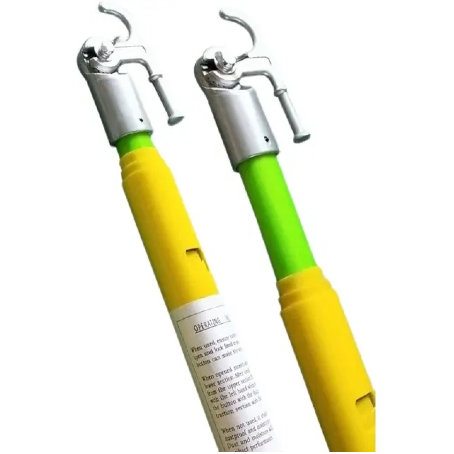
When it comes to electrical safety, there is no room for assumptions. Hot sticks, which allow technicians to operate energized equipment from a distance, are critical tools that must be maintained properly to ensure worker safety. The question isn't just “Do we inspect our hot sticks?” but rather “Are we inspecting them in a way that prevents surprises on the job?” Establishing a clear, structured hot stick inspection system ensures that tools remain safe to use, reduces the risk of operational failures, and ensures compliance with industry standards like OSHA hot stick testing.
This article will explain how often hot sticks need to be inspected, how to build an inspection routine based on usage and environmental factors, and what should trigger an immediate inspection. Whether you're responsible for setting up inspection schedules or need a deeper understanding of why these tools are vital to electrical safety, this guide will provide you with the necessary information.
The two layers of inspection: before-use checks and scheduled testing
In order to keep hot sticks operational and safe, inspections should happen at two distinct levels: a before-use visual and tactile inspection, and a more thorough, scheduled testing at set intervals. Both of these are essential, and neither should be overlooked.
Daily wipe and visual inspection
A daily inspection is the most basic form of ensuring hot stick functionality. This process should be performed before each use and should take into account several aspects:
Wipe down the surface: A clean surface ensures that no contaminants are present, which could degrade the dielectric strength of the hot stick. A simple wipe with a clean, dry cloth can help identify any issues with the surface finish, such as abrasions or sticky residues.
Inspect the pole body: Check for any visible cracks, scratches, or gouges along the entire pole. Even small cuts can compromise the insulation and increase the risk of failure. Pay attention to any dull spots, blistering, or burn marks, which indicate possible tracking or arcing damage.
Check locking mechanisms: For telescopic models, ensure that the locking system is engaged securely. Any wobbling or lack of engagement can lead to collapse under load, compromising safety.
Verify fittings and connections: The head fitting should be tightly secured and free from rust, corrosion, or physical damage. Loose or worn head fittings can lead to malfunction during live-line operations, especially when handling heavy loads or switching mechanisms.
This inspection should be carried out by the crew member responsible for the tool's operation. It’s crucial that this task is not rushed. A well-executed inspection ensures that any minor issues are identified and dealt with before starting work. It should also be recorded for compliance.
Periodic removal from service for examination and testing
While daily checks focus on surface conditions and mechanical stability, a periodic inspection is required to ensure that the hot stick is functioning as it should under electrical stress. These checks are typically more in-depth and include:
Cleaning and surface conditioning: This process ensures that the hot stick is free from contaminants that can affect performance.
Mechanical evaluation: All moving parts, including joints, locks, and head fittings, should be checked for signs of wear, corrosion, or mechanical stress.
Dielectric testing: This is where the tool is tested under voltage to ensure that it can withstand electrical stress in the environment where it will be used. Wet testing, which involves testing the hot stick under wet conditions, is particularly critical in verifying the tool’s resistance to environmental contaminants.
Most regulations, including OSHA guidelines, recommend that tools be tested every two years, although in high-stress environments or areas with extreme weather conditions, it may be necessary to shorten this interval. Regular testing also helps detect subtle issues, such as internal degradation or minor surface cracks that could compromise the tool’s dielectric properties.
What triggers an immediate inspection?
In addition to daily and periodic inspections, there are certain conditions that require immediate inspection of a hot stick, even if the tool is not due for its scheduled examination.
After contamination affecting insulating qualities
Contamination is one of the most common causes of a hot stick failing to meet electrical safety standards. Substances such as oil, grease, dust, salt, and industrial chemicals can create a conductive path on the surface of the hot stick, potentially leading to electrical tracking. Contaminants can often be hard to detect visually, but their effects can be catastrophic.
If a hot stick is exposed to any contamination, it must be cleaned and tested before it is put back into service. Wet conditions can further exacerbate contamination, so it’s essential to assess the tool after it’s exposed to rain or high humidity, especially in coastal areas where saltwater can accumulate quickly.
After impact, abnormal loading, or attachment slip
The structural integrity of a hot stick can be compromised if it is subjected to any sort of mechanical stress, including:
Dropping the tool
Applying excessive force during switching operations
Using the tool beyond its recommended load capacity
Any of these events can weaken the material or cause misalignment, especially in telescopic models. If a hot stick is dropped or used improperly, it should be removed from service immediately and undergo a thorough inspection to check for internal damage or stress fractures.
After attachment malfunction or slip
Hot sticks are often used with various attachments, such as hooks, fuse pullers, or voltage detectors. If one of these attachments slips or malfunctions during operation, it could cause instability in the tool. An immediate inspection is required to ensure that the locking mechanism and fittings are still secure and that the tool has not been damaged in the process.
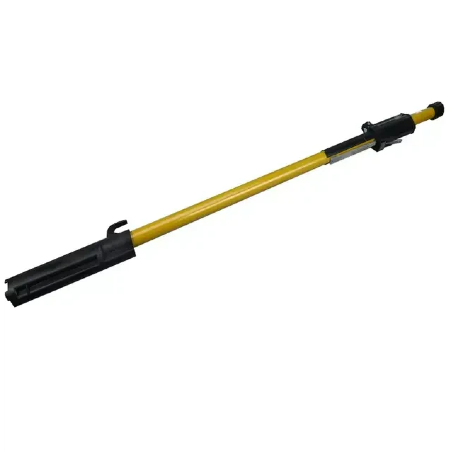
What a good daily inspection looks like
Consistency and speed are key when conducting daily inspections. A reliable process should be quick, repeatable, and detailed enough to catch any potential issues.
A structured 60-second protocol
The following steps should be performed daily before use:
Wipe down the pole from base to tip: Check for any surface contamination.
Rotate the pole under light: Look for dull areas or cracks that could indicate damage.
Inspect the locking mechanism: Ensure that all sections of the telescopic pole are locked securely and that the locking buttons engage correctly.
Check the head fitting: Tighten any loose fittings and check for wear.
Test the grip: Make sure the handle is comfortable and secure for use.
This should be a 60-second routine that helps identify visible signs of damage, but also ensures the tool is ready for immediate use. The key is consistency—if this process becomes a habit, it will ensure that no issues go unnoticed.
Wipe-clean standard and stubborn stains
If wiping the hot stick reveals sticky residues or discolored patches, these areas may require further cleaning or removal from service. It is important to note that stubborn stains or sticky surfaces can be an indication of more severe degradation or contamination. If regular cleaning does not restore the tool’s appearance or functionality, it should be tagged out and tested for dielectric strength.
What periodic testing tries to prove
Scheduled dielectric testing is essential to verify that the tool can withstand electrical stress under the most challenging conditions.
Wet withstand testing
Wet testing involves applying electrical voltage to the hot stick while it is subjected to wet conditions. This type of test simulates rain, humidity, and the presence of contaminants. It is essential to ensure that the tool’s insulation properties remain intact in adverse weather conditions.
Why many organizations test more frequently than the minimum
Many companies opt for annual testing or even more frequent evaluations if the hot stick is exposed to harsh conditions. Salt, chemical contaminants, and frequent exposure to moisture all speed up the degradation process. A shorter testing interval ensures that the tools remain in good condition and safe to use.
Environmental factors that affect inspection frequency
The inspection frequency for hot sticks is not solely dictated by time—it’s also determined by the environment in which the tools are used. Some locations or industries require more frequent checks than others.
Coastal operations
In coastal areas, salt and moisture exposure increase the rate of surface corrosion and tracking. A hot stick used in this environment should be cleaned more often and subjected to dielectric testing at shorter intervals.
Industrial zones
Industrial areas often have air pollutants that can coat the surface of the hot stick with chemicals, oils, and dust. This contamination can reduce the effectiveness of the insulation, so hot sticks used in these environments should undergo more frequent inspections and testing.
High-frequency switching environments
Hot sticks used in areas with high-frequency switching, such as substations or power transmission lines, endure more mechanical stress. These conditions may require more frequent inspections to ensure the tool’s locking mechanism remains stable and that there is no sign of internal wear.
Table — Practical inspection schedule framework
Stage | Frequency | Responsible Party | Core Action | Decision Path |
Pre-use | Daily | Crew member | Wipe and visual inspection | Any defect or contamination → remove from service |
Post-contamination | As needed | Crew lead | Clean and evaluate | Persistent issue → send for testing |
Post-impact | Immediate | Supervisor | Structural review | Suspected weakness → remove from service |
Scheduled test | 12–24 months | Certified lab | Full examination and dielectric testing | Fail → refurbish or permanently remove |
Annual audit | Yearly | Safety manager | Record review | Missing data → corrective action |
Conclusion
Hot stick inspection is more than just a routine—it's a critical component of any electrical safety program. By incorporating hot stick inspection into daily workflows, scheduling periodic testing, and setting up a trigger-based system for immediate checks, organizations can significantly reduce risk and ensure compliance. ZHEJIANG JITAI ELETCIRC POWER EQUIPMENT CO.,LTD offers a range of durable, easy-to-maintain hot sticks designed for use in high-risk environments. For more information or to request specific configurations for your operation, contact us today.
FAQ
1. How often should a hot stick be inspected?
A hot stick should undergo a daily inspection before each use and undergo dielectric testing every 12-24 months, with additional inspections after exposure to contamination or mechanical impact.
2. What happens if a hot stick fails inspection?
The tool should be removed from service immediately, tagged for non-use, and sent for further examination and possibly repair or permanent removal from service.
3. Can environmental factors affect inspection frequency?
Yes, salt exposure, chemical pollution, and frequent switching operations can all justify shorter testing intervals for hot sticks used in these environments.
4. Why is it necessary to have a record-keeping system for hot stick inspections?
Record-keeping ensures compliance with safety regulations, prevents unsafe tools from being used, and provides valuable documentation for audits.


