Climbing utility infrastructure demands absolute precision and extreme caution. Mechanics change entirely when switching from traditional wooden poles to modern concrete structures. You rely on wood penetration and sharp gaff spikes to scale timber securely. Concrete demands something completely different: pure friction and compression. Linemen face incredibly high stakes when operating on reinforced concrete infrastructure. Selecting improper gear directly jeopardizes crew safety in the field. This choice also increases compliance liability and drastically reduces operational efficiency. Standard steel spikes simply will not work. You need specialized equipment explicitly engineered for unyielding surfaces. This article serves as a technical and procurement-focused guide for utility professionals. We will show you how to evaluate, select, and maintain the exact equipment required for modern operations. By the end, you will understand the strict safety parameters guiding these critical procurement decisions.
Key Takeaways
Concrete poles require friction-based tools, most notably concrete climbing irons, rather than traditional penetrating gaffs.
Procurement decisions must balance material durability, grip coefficient, and adjustability for tapered pole diameters.
Comprehensive fall protection requires a system approach: climbing irons, specific work-positioning lanyards, and ANSI/OSHA-compliant full-body harnesses.
Pre-climb inspection protocols and specialized crew training are critical implementation factors that go beyond the initial tool purchase.
The Structural Challenge: Why Standard Gear Fails on Concrete
Utility networks frequently upgrade their infrastructure to withstand severe weather. They replace aging wood with spun or reinforced concrete. This transition introduces a massive structural challenge for field crews. Wood poles let metal gaffs sink deep into the surface. Concrete surfaces deflect these metal points completely. Spin-cast manufacturing creates an exceptionally dense, hardened exterior barrier. You cannot pierce this material safely. This fundamental mechanical difference redefines how linemen must scale utility infrastructure.
Concrete scaling relies heavily on the coefficient of friction. Climbers use specialized leverage angles rather than sharp penetration. You apply body weight to press thick rubberized pads against the pole surface. This downward pressure creates a secure, temporary friction lock. Shifting weight upward releases the pressure. This allows the lineman to ascend smoothly. The physics rely entirely on maintaining constant, angled compression.
Using non-specific or modified gear carries severe business and safety risks. Makeshift adaptations easily lead to catastrophic slippage during an ascent. Incompatible metal components suffer premature equipment fatigue. Furthermore, regulatory bodies will penalize organizations utilizing unapproved climbing methods. Ensuring absolute compliance protects your workforce from injury. It also shields your organization from costly operational liabilities.
Common Mistakes When Transitioning to Concrete
Attempting to dull existing wood gaffs to create a makeshift friction point.
Ignoring the specific taper of the pole, resulting in poor grip alignment.
Using standard rope lanyards instead of reinforced positioning straps.
Core Climbing Tools for Concrete Utility Pole Operations
Scaling these modern structures requires a highly specific inventory. Every item must work cohesively to prevent accidental falls.
Concrete Climbing Irons (Friction Climbers)
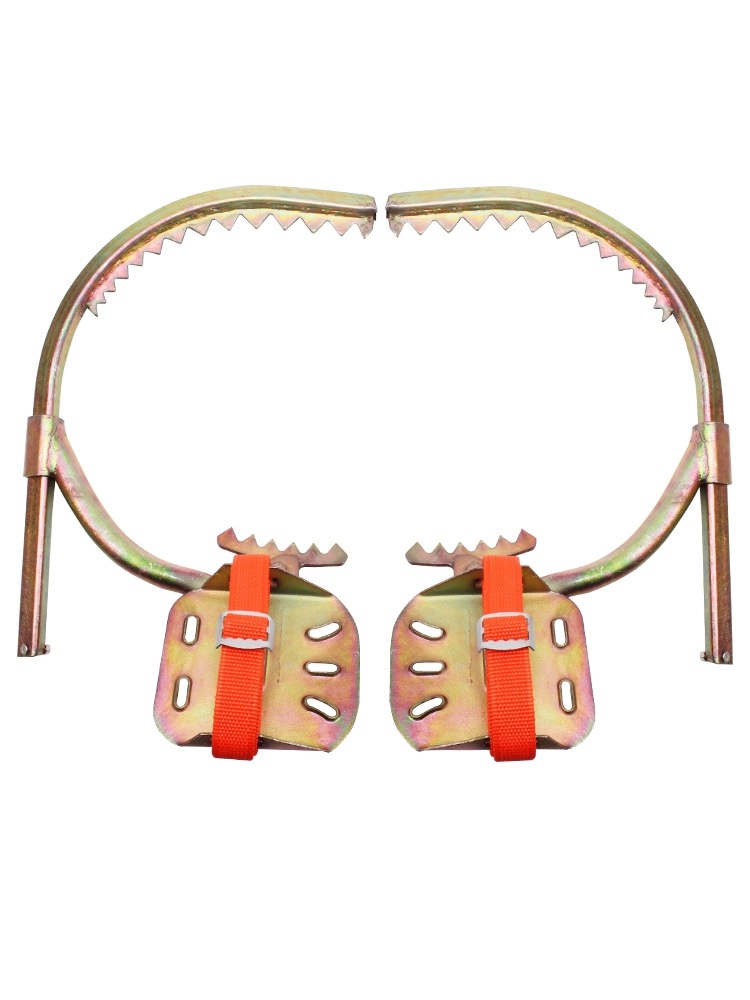
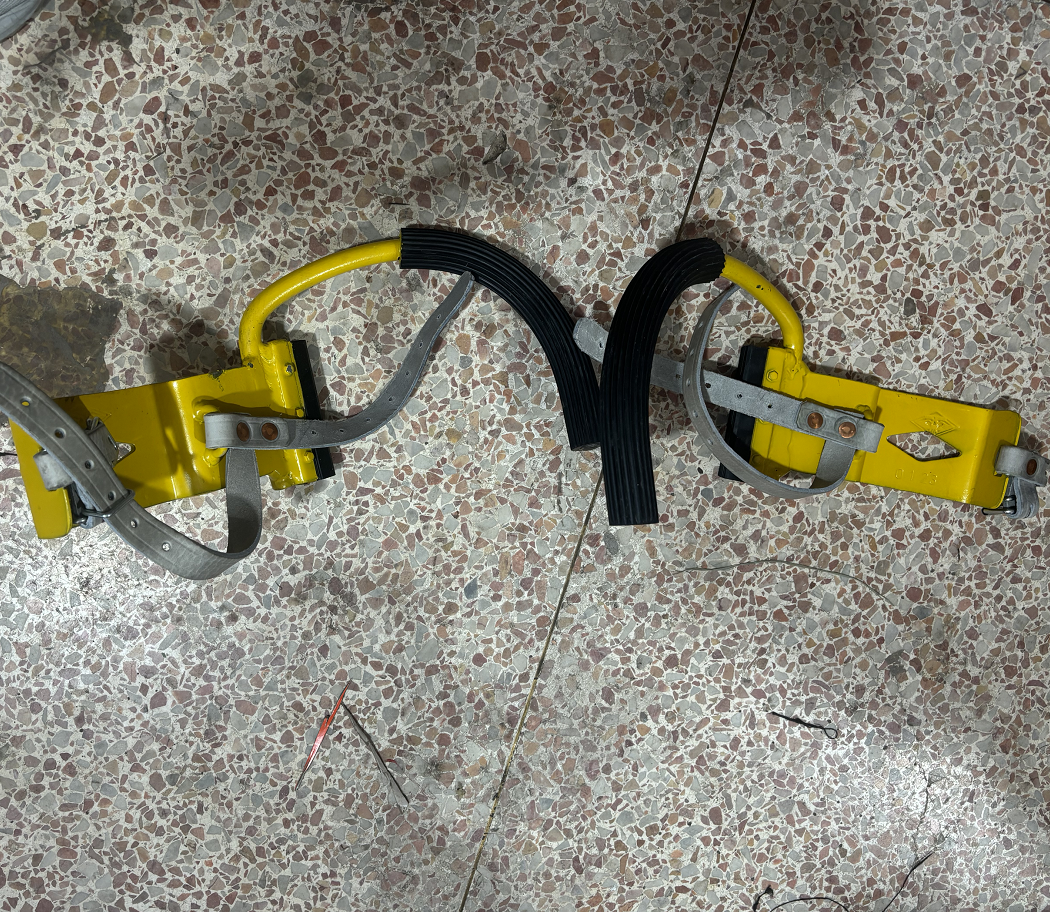
The most crucial items in your setup are reliable concrete climbing irons. Manufacturers build these using curved or highly adjustable metal shanks. They feature thick, rubberized gripping pads instead of sharp steel spikes. Secure foot and calf straps lock the device firmly to the worker's leg. These climbers leverage the worker's natural body weight. Downward force pushes the textured friction pads flush against the smooth surface. This mechanism locks the foot securely in place during stationary work.
Work Positioning Lanyards (Buckstraps/Pole Chokers)
Standard synthetic rope lanyards wear out exceptionally fast. Concrete acts like rough sandpaper against safety lines. You need wire-core or heavily reinforced buckstraps. These specialized pole chokers resist heavy abrasion during frequent positioning tasks. They provide rigid support while preventing accidental sheer cuts from sharp concrete edges.
Lineman Full-Body Harnesses
Suspended electrical work requires superior structural support. Safety harnesses must include specific multi-point D-ring configurations. Side D-rings allow hands-free work positioning at the top of the pole. Dorsal D-rings handle primary fall arrest duties if a slip occurs. High-quality harnesses also incorporate extra padding to prevent suspension trauma during prolonged jobs.
Supplementary Fall Arrest Systems
Procuring proper climbing tools ensures overlapping safety protocols. Mobile fall arresters add a vital protection layer. Crews often deploy secondary safety ropes alongside their primary friction climbers. This redundancy prevents free falls if the primary friction lock is momentarily lost. System integration guarantees maximum worker protection.
Evaluation Criteria for Procurement and Safety Officers
Procurement teams must carefully scrutinize technical specifications before purchasing fleet equipment. You must balance worker comfort, long-term durability, and strict regulatory adherence.
Material Integrity and Load Capacity
You must choose between forged steel and high-grade aluminum alloys for the main shanks. Steel offers maximum durability but increases worker fatigue significantly. Aerospace-grade aluminum reduces leg weight while maintaining excellent structural strength. Always verify minimum weight capacities. Equipment must support well over 300 pounds. This rating must account for the worker, heavy winter clothing, and a fully loaded utility tool belt.
Material Comparison for Friction Climbers
Material Type
Durability Profile
Worker Fatigue Level
Ideal Application
Forged Steel
Extremely high wear resistance.
High (Heavy component weight).
Short, intensive climbs. Harsh environments.
Aluminum Alloy
High strength, susceptible to deep gouges.
Low (Lightweight design).
Long shifts. Frequent daily ascents.
Hybrid Composites
Moderate to high.
Very Low.
Specialized ergonomic fleet requirements.
Adaptability to Pole Geometries
Infrastructure geometries vary greatly across different geographic regions. You will encounter smoothly tapered spun concrete designs. You might also scale square or octagonal reinforced poles. Evaluate shank adjustment mechanisms carefully. Quality gear easily adapts to varying pole diameters and geometric shapes. Rigid, non-adjustable models limit operational flexibility.
Grip Pad Composition and Replacement
Friction pads endure extreme friction and weather wear. Analyze the chemical wear resistance of rubber versus polyurethane materials. Polyurethane often resists temperature extremes better than standard rubber. Look closely at replacement parts availability. You need readily available, cost-effective replacement pads. Quick swapping capabilities keep your fleet ready for emergency outages.
Regulatory Compliance and Certification
Never compromise on verifiable testing standards. OSHA 1910.269 compliance remains absolutely non-negotiable for utility work. Look specifically for ANSI Z359 and EN 358/361 certifications on all load-bearing components. Uncertified, white-label equipment introduces massive legal liability. Always demand documented proof of independent laboratory compliance.
Implementation Risks and Inspection Protocols
Safety extends far beyond acquiring excellent gear. Field execution and daily maintenance dictate your actual safety outcomes.
Pre-Climb Inspection Checklists
Field crews must inspect their gear daily before leaving the depot. Safety managers must establish clear, visible wear thresholds. Use this exact numbered list for daily field checks:
Inspect all synthetic straps for fraying, UV degradation, or structural cuts.
Examine metal shanks carefully for micro-fractures and stress bending.
Check rubber pad degradation and ensure adequate tread depth remains.
Verify buckle tension, rivet integrity, and overall fastening security.
Confirm all adjustment pins lock firmly into their designated slots.
The Training Gap
Adopting new gear introduces immediate operational risk. Transitioning a crew from wooden poles to concrete poles requires extensive retraining. Wood pole climbing relies on vertical stomping actions. Friction climbing requires precise, angled weight distribution. Workers must learn specific stepping techniques to maintain continuous surface friction. Dropping the heel too low can break the friction lock instantly. Comprehensive training eliminates these dangerous biomechanical errors.
Maintenance Realities
Concrete dust acts as a severe abrasive agent. It quickly degrades buckles, metal cams, and synthetic safety webbing. Establish strict storage and cleaning protocols for all field crews. Workers must wipe down their gear daily using approved cleaning agents. Store equipment in dry, well-ventilated compartments away from direct sunlight. Proper maintenance prevents mechanical jamming during critical ascents.
Shortlisting Logic and Procurement Next Steps
Follow a highly structured approach before issuing any large purchase orders. Careful planning prevents expensive fleet-wide mistakes.
Aligning Gear with Infrastructure
Document your specific regional pole types first. Measure average diameter ranges across your grid. Note the surface finishes and taper angles in your territory. Share this precise data securely before requesting vendor quotes. Proper alignment ensures the selected climbers will actually grip your specific infrastructure safely.
Vendor Transparency Requirements
Hold your equipment suppliers strictly accountable. Request comprehensive batch testing data for every product line. Ask for verifiable compliance certificates covering every individual component. Scrutinize warranty terms for structural metal frames versus consumable wear parts like rubber pads. Transparent vendors gladly provide this technical documentation.
Pilot Testing (Proof of Concept)
Never buy a fleet-wide allocation blindly. Run a targeted pilot testing program first. Distribute a shortlisted set of gear to your most experienced senior linemen. Ask them to assess ergonomic comfort during long, exhausting shifts. Have them measure real-world grip performance in wet or icy conditions. Require them to submit detailed daily feedback logs. Their practical field insights will prevent costly procurement errors.
Best Practices for Pilot Testing
Select a diverse group of linemen (varying heights and weights) to test gear adjustability.
Test the equipment in both dry and adverse weather conditions.
Use standardized scoring sheets to evaluate comfort, grip, and weight.
Conclusion
Sourcing specialized gear for concrete utility operations remains a highly technical endeavor. It requires strict adherence to physical friction principles. You must also satisfy rigorous international compliance standards. Standard timber gear holds absolutely no place in these modern environments. Investing in proper equipment protects lives and streamlines emergency restorations.
Prioritize long-term structural durability and worker ergonomics over initial unit costs.
Demand verifiable, third-party safety ratings from all potential equipment suppliers.
Guarantee rapid inventory availability for critical replacement friction pads.
Institute comprehensive retraining programs for all active field personnel transitioning to concrete operations.
FAQ
Q: Can I use wood pole climbing gaffs on concrete poles?
A: No. Wood pole gaffs rely on penetrating the timber to support the climber’s weight securely. Spun or reinforced concrete surfaces completely block any metal penetration. Attempting to use sharp gaffs on impenetrable surfaces guarantees immediate slippage. This creates a severe fall hazard. Always use friction-based climbers designed explicitly for these hardened structures.
Q: How often should the rubber grip pads on concrete climbing irons be replaced?
A: Replacement frequency depends heavily on environmental exposure and daily inspection parameters. Heavy usage on rough spun concrete degrades rubber rapidly. Crews must inspect pad treads daily before climbing. Once pads wear down past the manufacturer's recommended depth, replace them immediately. Always keep spare parts in stock to avoid operational delays.
Q: Are there specific weight limits for concrete climbing irons?
A: Yes. Most professional-grade climbers align with standard ANSI and OSHA weight brackets. Standard capacities typically range from 300 to 350 pounds. You must calculate the total working weight accurately. This total includes the lineman's body weight, heavy winter clothing, and a fully loaded utility tool belt.
Q: What is the difference between spun concrete poles and square concrete poles regarding climbing gear?
A: Spun concrete poles feature a smooth, tapered, cylindrical geometry. Square or octagonal poles have flat sides and sharp corners. These differing profiles require specific curvature in the climber's metal shank. Adjustability proves vital here. High-quality friction climbers offer modular adjustments to grip both round tapers and flat-sided infrastructure securely.