Introduction
Have you ever needed more pulling control without adding more power?
A snatch block often solves that problem in real work situations.This article explains what a snatch block does and why it matters.
You will learn how it supports lifting and pulling decisions in the field.
What Does a Snatch Block Do in Lifting and Pulling Systems
Core Function of a Snatch Block
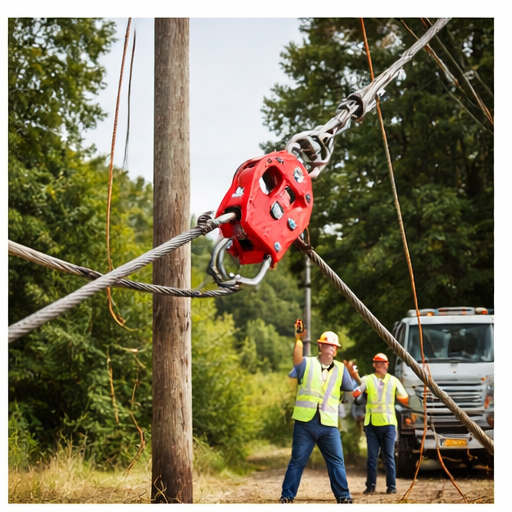
A snatch block is a mechanical tool used to manage how force moves through a rope or cable system. It supports load handling by guiding the line over a rotating sheave, allowing force to be applied in a controlled and predictable way. The snatch block itself does not generate power. Instead, it helps operators apply existing force more effectively during lifting or pulling tasks. In practical terms, its core function is force management. By controlling the rope path, it helps stabilize loads, improve control, and adapt pulling systems to real-world constraints. This is why a snatch block is commonly used alongside winches, hoists, or manual pullers rather than as a standalone device.
How a Snatch Block Changes Load Direction
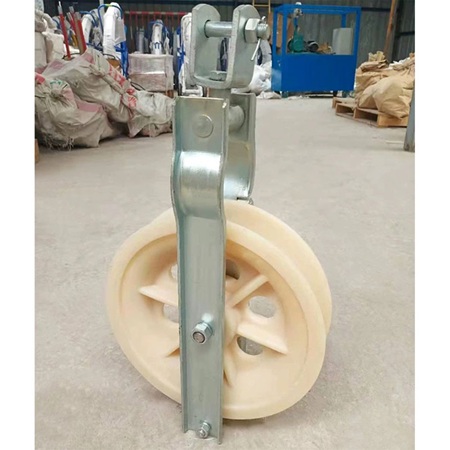
One key role of a snatch block is changing the direction of a pull without moving the power source. In many work environments, a straight-line pull is not possible due to obstacles, offset anchors, or limited access. By placing a snatch block at an intermediate point, the rope can be redirected toward the desired load path. Directional control is critical for safety and precision. Redirecting force helps maintain proper alignment of equipment, reduces side loading, and allows loads to move along controlled paths. This function is especially important in confined spaces, uneven terrain, or structured environments where uncontrolled movement increases risk.
How a Snatch Block Provides Mechanical Advantage
A snatch block can also be used to create mechanical advantage, which reduces the effort required to move a load. This happens when the rope is reeved through the block and returned toward the pulling device or anchor. In this setup, the load is shared across multiple rope segments rather than carried by a single line. Mechanical advantage does not increase total available power. Instead, it spreads the load, allowing the same force to move heavier objects. The trade-off is distance. The system must pull more rope to move the load the same amount. This principle makes a snatch block useful when force capacity matters more than speed.
Single-Line vs Double-Line Pull Explained
A single-line pull uses one rope segment between the pulling device and the load. This setup provides direct movement and faster line speed but limited pulling capacity. It is suitable when loads are within safe working limits and alignment is straightforward. A double-line pull uses a snatch block to route the rope back toward the pulling source or another anchor. This configuration increases effective pulling capacity by dividing the load between two line segments. However, it also reduces movement speed and requires more rope length. Choosing between these setups depends on load weight, available space, and system capacity.
Configuration | Pulling Capacity | Line Speed | Rope Required |
Single-line | Standard | Faster | Less |
Double-line | Increased | Slower | More |
Common Misunderstandings About Snatch Block Capability
A common misunderstanding is that a snatch block creates additional power. In reality, it only redistributes force already present in the system. The pulling device, rope, anchors, and snatch block ratings still define the system limits. Another misconception is assuming capacity doubles without consequence. While mechanical advantage reduces effort at the pulling device, it increases force on anchor points and connection hardware. Understanding these limits is essential to avoid overload, equipment damage, or unsafe conditions.
Why Snatch Blocks Reduce Equipment Stress
Snatch blocks help reduce stress on equipment by distributing loads more evenly across the system. When force is shared between multiple rope segments, each component experiences lower peak stress compared to a single-line pull. This can extend the service life of winches, ropes, and anchors. Reduced stress also improves system stability. Lower line tension decreases sudden shock loads and makes movement more predictable. In lifting and pulling systems, this controlled force distribution is a major reason why a snatch block is used for demanding or sensitive operations rather than relying on direct pulls alone.
How a Snatch Block Works: Structure and Operating Principle
Basic Pulley Mechanics Applied to Snatch Blocks
A snatch block works on the same basic pulley principle used in simple machines. A pulley allows a rope or cable to move over a rotating wheel, called a sheave, to guide force smoothly. In a basic setup, this changes how force is applied without changing the force itself. A snatch block extends this principle by allowing the pulley to be added anywhere along an active line. There is an important difference between fixed and movable pulleys. A fixed pulley mainly changes direction. A movable pulley travels with the load and can reduce the effort needed to move it. A snatch block can function in either role, depending on how it is rigged within the system.
Swing-Open Side Plate and Mid-Line Installation
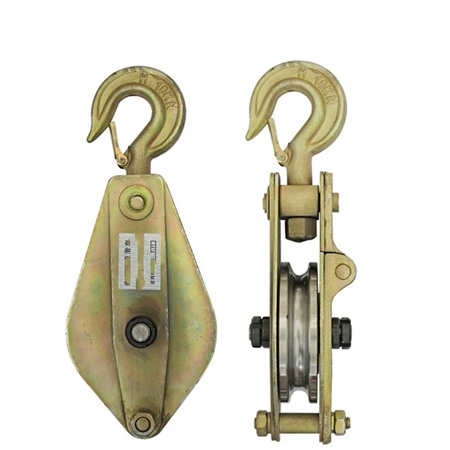
The defining structural feature of a snatch block is its swing-open side plate. This design allows a rope or cable to be inserted without threading it from the end. In real work conditions, lines often have hooks, eyes, or terminations that make re-threading slow or impractical. Mid-line installation improves efficiency in field operations. Operators can add a snatch block to an existing setup quickly, adjust the load path, and continue work with minimal disruption. This flexibility is one reason the snatch block is favored in temporary lifting and pulling systems.
Load Distribution Across Rope Segments
When a rope is reeved through a snatch block and redirected back toward a pulling device or anchor, the load is divided across multiple rope segments. Each segment carries a portion of the total force instead of one line carrying everything. This distribution reduces stress on individual components such as the rope, sheave, and pulling device. Lower peak tension helps limit wear, reduces the risk of sudden failure, and supports more stable load movement. Proper load sharing is a key operating principle behind effective snatch block use.
Force, Distance, and Efficiency Trade-Offs
Using a snatch block to gain mechanical advantage always involves a trade-off. As pulling effort decreases, the amount of rope needed increases. The load moves a shorter distance for each unit of rope pulled, which reduces operating speed. Understanding this balance helps with planning. When precision and load control matter more than speed, a snatch block setup is efficient. When faster movement is required and loads are lighter, a direct pull may be more suitable. These trade-offs define how a snatch block fits into different lifting and pulling strategies.
Snatch Block Function in Industry and Field Applications
Utility and Public Service Work
In utility and public service environments, a snatch block is used to support controlled lifting and pulling under strict safety requirements. Tasks often involve fixed infrastructure, limited working space, and defined load paths. In these conditions, predictable load behavior is essential to avoid damage or secondary hazards. Typical utility-related uses include:
● Guiding loads during maintenance of poles, cables, or equipment
● Redirecting pulling force around fixed structures
● Assisting with controlled tensioning where straight-line pulls are not possible By managing force direction and sharing load across rope segments, a snatch block helps crews maintain stable movement and work within approved load limits.
Construction Site Lifting and Positioning
Construction sites rely on flexible rigging solutions because lifting needs change as work progresses. A snatch block allows temporary lifting, positioning, and alignment of materials without installing permanent rigging points. It is especially useful when loads must be moved incrementally or adjusted from multiple angles. Common construction scenarios include:
● Aligning beams or panels during placement
● Redirecting pulls around scaffolding or structural elements
● Supporting short-term lifting tasks during assembly In practice, the snatch block is used alongside lever hoists, hand pullers, and anchor points. Each tool provides force, while the snatch block controls how that force is applied.
Rescue and Emergency Operations
Rescue and emergency operations often require moving heavy objects in unstable or unpredictable environments. Speed matters, but control matters more. A snatch block helps responders guide loads smoothly while minimizing sudden shifts or shock loading. Key priorities in these scenarios include:
● Controlled movement of debris or equipment
● Stable load paths in confined or uneven spaces
● Reliable performance under variable tension By supporting gradual force application and predictable motion, a snatch block contributes to safer load handling during high-risk operations.
System Role Among Other Lifting & Pulling Tools
A snatch block does not operate in isolation. It functions as part of an integrated lifting and pulling system that includes hoists, pullers, ropes, and anchoring hardware. Each component influences how force travels through the system. The table below shows how roles are typically divided:
Component | Primary Role | Contribution to the System |
Snatch block | Force guidance and load sharing | Redirects force and distributes load |
Hoist or puller | Force generation | Applies lifting or pulling effort |
Rope or cable | Force transmission | Connects components and carries load |
Anchor hardware | Load reaction | Transfers force to fixed points |
Understanding these relationships helps operators design systems that balance efficiency, control, and equipment protection. In this context, the snatch block plays a central role in adapting lifting and pulling systems to real-world field conditions.
When to Use a Snatch Block: Decision-Oriented Guidance
Situations Requiring Directional Change
A snatch block is most useful when a straight-line pull is not possible. Many lifting and pulling tasks involve offset anchors, obstacles, or restricted access paths that prevent proper alignment. In these cases, redirecting force helps maintain control and prevents side loading on equipment. Common indicators that directional change is needed include:
● Anchor points positioned at an angle to the load
● Physical obstacles blocking a direct pull path
● Limited space that forces equipment into misalignment By guiding the rope through a snatch block, pulling equipment stays aligned, which improves stability and reduces uneven stress on ropes and anchors.
Situations Requiring Load Assistance
A snatch block is also appropriate when loads approach the limits of manual or mechanical pullers. Instead of increasing input force, it allows the system to share the load across multiple rope segments. This reduces the effort required at the pulling device. Situations where load assistance is helpful include:
● Heavy loads that move slowly or resist initial movement
● Tasks that risk overloading pullers or anchors
● Operations where operator fatigue is a concern Using a snatch block in these cases lowers equipment strain and helps maintain controlled, predictable movement under higher loads.
When a Snatch Block Is Not Necessary
Not every lifting or pulling task requires a snatch block. When a straight-line pull is available and loads remain well within safe limits, a direct setup is often more efficient. Adding unnecessary components can complicate rigging and increase setup time. A snatch block may be unnecessary when:
● The pull path is clear and properly aligned
● Load weight is comfortably below system capacity
● Simplicity and speed are higher priorities than force management Choosing not to use a snatch block in these situations helps keep systems simple while still maintaining safe operation.
Snatch Block vs Standard Pulley
Structural and Design Differences
A snatch block differs from a standard pulley in both structure and field usability. It uses an enclosed body with a side-opening plate, which allows a rope or cable to be inserted at any point along the line. This avoids removing hooks or end fittings and speeds up setup in active systems. These features matter in field use because work conditions often change quickly. Lines are already under tension or connected to loads. The ability to install mid-line improves flexibility, reduces downtime, and lowers handling risks. Standard pulleys usually require end-threading, which limits their use in temporary or adjusted setups.
Load Rating and Safety Considerations
Snatch blocks are designed for higher working loads and are typically rated for lifting and pulling tasks. Their construction supports predictable load paths and sustained tension. A standard pulley is often intended for lighter guidance tasks and may not carry the same load ratings or safety margins. General-purpose pulleys become unsuitable for heavy-duty work because:
● They may lack verified working load limits
● Side plates may not support dynamic loads
● Sheaves may not match rope sizes used in rigging Using a pulley outside its intended rating increases wear and failure risk. In contrast, a snatch block is selected specifically to manage higher forces within a defined system.
Application-Based Comparison
Choosing between a snatch block and a standard pulley depends on task requirements and installation context. Snatch blocks are preferred for temporary, mobile work where load direction and capacity change during the job. Standard pulleys fit better in fixed installations with stable alignment and known loads. The table below summarizes typical selection criteria:
Factor | Snatch Block | Standard Pulley |
Installation method | Mid-line, side-opening | End-threaded |
Typical load range | Higher, rated for rigging | Lower, guidance-focused |
Mobility | Suitable for temporary setups | Better for fixed systems |
Field adjustment | Easy to reposition | Limited flexibility |
Selecting the right tool improves control and safety. A snatch block suits dynamic lifting and pulling tasks, while a standard pulley fits simple, low-load guidance needs.
Conclusion
A snatch block manages force, direction, and load control in lifting systems.
It helps users make safer decisions without adding more power.Understanding how it works improves efficiency and reduces equipment strain.
This makes snatch blocks essential in professional lifting and pulling tasks.Products from JITAI Electric Power Equipment Co., Ltd. focus on reliability and safety.
They provide stable load handling and practical value in real field operations.
FAQ
Q: What role does a snatch block play in industrial lifting systems?
A: A snatch block manages force direction and load distribution within controlled lifting and pulling operations.
Q: When should a snatch block be added to a pulling setup?
A: A snatch block is used when load direction changes or pulling capacity approaches system limits.
Q: Why is a snatch block preferred over a standard pulley in heavy-duty tasks?
A: A snatch block offers higher load ratings and safer mid-line installation for demanding field conditions.
Q: How does a snatch block affect equipment stress and service life?
A: A snatch block reduces peak tension by sharing loads across rope segments, lowering wear on components.
Q: What maintenance factors matter when using a snatch block in operations?
A: A snatch block requires inspection of sheave wear, side plates, and load ratings to manage operational risk.


