Introduction
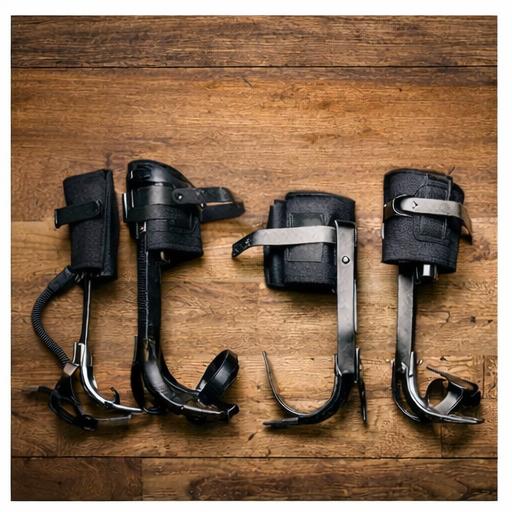
Do you know that not all Tree Climbing Spikes are created equal? The differences in design can make or break your climbing experience.
In this article, we'll dive into how these spikes vary and why those variations matter for safety and comfort.
You’ll discover how the right spikes can improve your stability, reduce fatigue, and boost your efficiency during climbs.
What Tree Climbing Spikes Are Designed to Do
The functional purpose of Tree Climbing Spikes in vertical tree access
Tree Climbing Spikes are designed to provide direct, mechanical contact with a tree trunk during ascent and descent. They allow a climber to gain vertical access when branches or rope systems alone are not practical. By penetrating bark and anchoring into solid wood, they create a temporary foothold that supports body weight. This function is especially important during removal work, where repeated repositioning along the trunk is required. Unlike rope-only systems, spikes transfer load through the legs into the tree surface. Their purpose is controlled access, not speed or convenience.
How spikes are intended to support positioning, stability, and controlled movement
Tree Climbing Spikes are built to support precise body positioning rather than continuous upward motion. Each step is deliberate and relies on balance between the spike, the climber’s stance, and the tree surface. Properly designed spikes help maintain stability by limiting unwanted foot rotation and lateral movement. They also support controlled movement by allowing small vertical adjustments without losing contact. This controlled interaction reduces sudden shifts in body weight. It also helps climbers maintain predictable movement patterns during cutting or repositioning tasks.
Why different climbing tasks require different spike designs rather than a single universal option
No single Tree Climbing Spikes design works well for every climbing task or surface condition. Tree species vary in bark thickness, hardness, and texture, which directly affects spike performance. Tasks such as pruning, removals, or utility access place different demands on grip depth and foot angle. A design that works well on thick, soft bark may perform poorly on thin or hard surfaces. Climbers also differ in posture, weight distribution, and working duration. Because of these variables, spike design must adapt to task requirements rather than rely on a universal solution.
Core Differences in Tree Climbing Spikes
Differences in spike (gaff) length and how they affect penetration and holding power
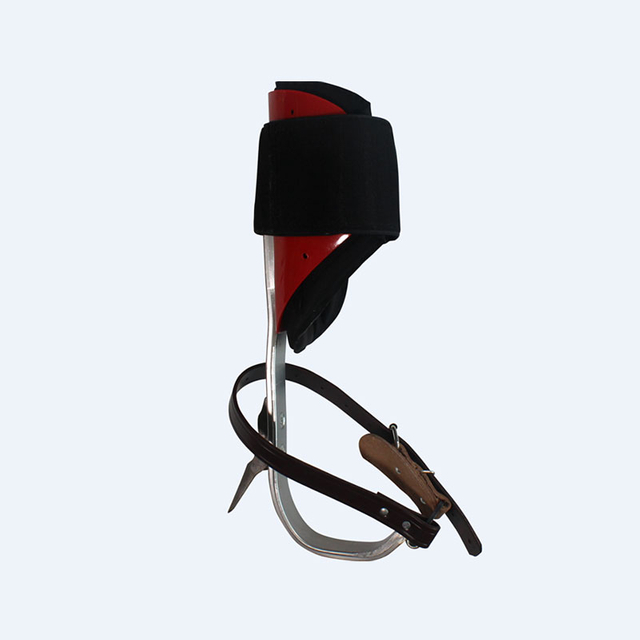
Tree Climbing Spikes vary mainly by gaff length, which determines how the spike enters the tree surface. Gaff length controls penetration depth and the way load transfers into the wood. This directly affects holding power during ascent and repositioning. Key effects of gaff length include:
● Longer gaffs reach solid wood beneath thick bark
● Shorter gaffs limit penetration on hard or thin surfaces
● Incorrect length reduces grip consistency under body weight Holding power depends on controlled penetration rather than maximum depth.
Tree gaffs vs. pole gaffs: design intent and surface interaction
Tree gaffs and pole gaffs serve different surface conditions. Their differences reflect expected resistance, texture, and material hardness. The table below highlights their core distinctions:
Gaff Type | Typical Surface | Design Intent | Surface Interaction |
Tree gaffs | Thick, fibrous bark | Deeper anchoring | Pass through bark into wood |
Pole gaffs | Hard or thin surfaces | Controlled penetration | Bite cleanly without over-driving |
Using the correct gaff type improves stability and reduces corrective movement during climbs.
Hybrid gaff designs and where versatility helps—or falls short
Hybrid gaffs aim to cover a wider range of surfaces with a single design. They provide moderate penetration and adaptable use across mixed environments. This approach can reduce equipment changes during varied tasks. However, versatility comes with limits:
● They may underperform on very thick bark
● They may lack precision on extremely hard surfaces Hybrid designs balance convenience against specialization.
How bark thickness and wood density influence spike performance
Surface characteristics shape how Tree Climbing Spikes behave under load. Bark thickness affects how much penetration is required before reaching stable wood. Wood density influences resistance and feedback during placement. Common effects include:
● Thick bark absorbs part of the spike’s entry
● Dense wood resists penetration and demands accuracy
● Soft wood allows easy entry but less tactile feedback Understanding these factors helps prevent unstable footing.
The role of gaff angle in stability, foot placement, and climbing rhythm
Gaff angle controls how the foot aligns with the tree trunk. It affects balance, movement rhythm, and load distribution. Small angle changes alter how weight shifts during each step. Key influences of gaff angle:
● Steeper angles increase holding margin
● Shallower angles improve walking rhythm
● Improper angles increase fatigue over time Stable climbing depends on predictable foot placement.
Replaceable versus fixed gaffs and how wear impacts long-term reliability
Gaff design affects maintenance and service life. Replaceable gaffs allow worn components to be changed without replacing the full climber. Fixed gaffs require full replacement once wear exceeds limits. Wear-related impacts include:
● Reduced penetration efficiency
● Increased slipping risk
● Less consistent holding under load Maintenance options influence long-term reliability and inspection routines.
Problems caused by mismatched gaff types, such as slipping or unstable footing
Using the wrong gaff type introduces avoidable risks. Mismatch alters how spikes seat under weight and how the climber compensates during movement. Common problems include:
● Short gaffs failing on thick bark
● Long gaffs destabilizing hard surfaces
● Increased strain from repeated corrections Proper gaff matching improves safety and movement control.
Structural Design Variations in Tree Climbing Spikes
Shank structure and how it supports leg alignment during ascent
Tree Climbing Spikes rely on the shank to connect the foot platform to the upper leg support. This structure guides leg alignment during ascent and helps keep the climber’s weight centered. A well-shaped shank reduces inward or outward rotation of the lower leg. It also supports consistent contact between the spike and the tree surface. Poor alignment increases strain on knees and ankles. Shank structure plays a key role in controlled vertical movement.
Fixed versus adjustable shank designs and fit considerations
Shank designs differ in how they accommodate leg length and body shape. Fixed shanks offer a rigid form with fewer moving parts. Adjustable shanks allow length changes to improve fit across users. Key fit considerations include:
● Leg length variation between climbers
● Boot height and sole thickness
● Preferred climbing posture The table below outlines common differences:
Shank Type | Fit Flexibility | Stability | Adjustment Needs |
Fixed | Limited | High | Minimal |
Adjustable | Moderate | Dependent on setup | Periodic checks |
How structural geometry influences balance and energy efficiency over long climbs
Structural geometry shapes how Tree Climbing Spikes distribute load during repeated steps. Shank angle, stirrup position, and width affect balance and movement rhythm. Efficient geometry supports natural leg motion and reduces corrective effort. Well-balanced designs help:
● Maintain upright posture
● Reduce lateral sway
● Lower energy use during long climbs Poor geometry forces constant adjustments. Over time, this increases fatigue and reduces climbing efficiency.
Material-Based Differences in Tree Climbing Spikes
Steel constructions and durability-focused use cases
Steel Tree Climbing Spikes are favored for their durability and ability to withstand heavy use, making them ideal for professionals who need reliable, long-lasting tools. These spikes are typically used in environments where repeated contact with tough surfaces is expected, such as in large-scale tree removals or maintenance. Their robust construction allows them to endure harsher conditions, such as thicker bark or more abrasive trees.
Key benefits of steel construction:
● Exceptional durability in high-wear environments
● Best for heavy-duty applications and tree removal work
● Longer lifespan compared to lighter materials like aluminum
However, steel spikes are heavier, which may increase leg fatigue during extended climbs, making them less suitable for tasks requiring frequent vertical movements.
Aluminum designs and reduced fatigue during extended climbing
Aluminum Tree Climbing Spikes are widely chosen for their lightness, which significantly reduces fatigue during extended climbs. For arborists who need to move between trees or work for long hours in the canopy, aluminum spikes provide the comfort and reduced weight necessary for minimizing leg strain.
Advantages of aluminum designs:
● Lighter weight reduces fatigue and improves comfort during long climbs
● High strength-to-weight ratio, making them suitable for a variety of trees
● Ideal for arborists who prioritize mobility over extreme durability
While aluminum is not as durable as steel, it offers a great balance between comfort and strength. It’s particularly suited for those who spend a significant amount of time climbing but still need a dependable tool for most tree types.
Carbon fiber structures and endurance-oriented applications
Carbon fiber Tree Climbing Spikes are the lightest and most advanced option, designed for arborists who demand the highest level of performance. These spikes are especially beneficial for climbers working long hours or handling high-frequency climbing tasks. Carbon fiber is incredibly strong for its weight, providing excellent support without adding unnecessary burden on the climber’s legs.
Benefits of carbon fiber spikes:
● Extremely light, reducing leg fatigue and improving climbing efficiency
● Best suited for endurance-oriented applications where weight reduction is crucial
● High strength ensures stability, making them ideal for long-duration climbs
Although carbon fiber spikes come at a higher price point, they are the top choice for professional climbers who seek maximum comfort, reduced fatigue, and long-term efficiency.
How material choice affects weight distribution, lifespan, and handling
The material of Tree Climbing Spikes plays a significant role in weight distribution, handling, and the overall lifespan of the spikes. Here's how each material type impacts climbing performance:
Material Type | Weight Distribution | Lifespan | Handling Characteristics |
Steel | Heavier, more stable | Very durable | Excellent grip, high stability |
Aluminum | Lightweight, balanced | Moderate durability | Reduced fatigue, suitable for long climbs |
Carbon Fiber | Lightest, optimal balance | Long lifespan with care | Best for endurance, minimal leg strain |
Impact of material on performance:
● Steel offers the most reliable, heavy-duty performance, ensuring stability and longevity but comes with added weight.
● Aluminum balances comfort and strength, making it ideal for prolonged climbing without the extra weight burden.
● Carbon fiber delivers the best endurance by minimizing fatigue, though it requires higher investment.
By understanding these differences, climbers can select the right material based on the type of work and climbing duration, balancing durability, comfort, and overall climbing efficiency.
Comfort and Attachment System Differences
Pad and cuff designs and their impact on pressure distribution
The design of the pads and cuffs on Tree Climbing Spikes plays a critical role in distributing pressure evenly across the climber’s legs. Well-designed pads help reduce localized pressure points, which can lead to discomfort or fatigue during extended use. Cushioned pads, in particular, provide better support around the shin, preventing digging into the leg during prolonged climbs. The cuff's design also affects how well the pad adheres to the climber’s leg, ensuring that the spikes remain stable while minimizing skin irritation or bruising. Effective pressure distribution is key for maintaining comfort and energy efficiency, especially during long hours of work in the tree canopy.
Rigid pads versus soft pads and comfort trade-offs
When choosing Tree Climbing Spikes, the type of pad—rigid or soft—affects both comfort and performance.
● Rigid pads provide a higher level of support by using materials that maintain their structure. They distribute pressure more evenly but may not be as flexible around the contours of the leg.
● Soft pads, on the other hand, offer more comfort and flexibility, conforming to the shape of the leg. They are often lighter, but they may compress over time, reducing long-term support. The trade-off between these options generally depends on the climber’s needs: those who prioritize comfort over extended periods may lean toward soft pads, while those requiring consistent support and stability may prefer rigid pads.
Strap systems and how adjustment methods affect stability and movement control
The strap system of Tree Climbing Spikes ensures that the spikes remain securely fastened to the climber’s legs. The method of adjustment plays a significant role in maintaining stability and allowing for controlled movement during climbs.
● Leather straps are durable and provide a firm hold, though they require some break-in time to mold to the climber’s legs. They are often chosen for their long-lasting qualities.
● Velcro (hook-and-loop) straps allow for quicker adjustments and can be tightened or loosened during climbs for increased flexibility. They provide a secure fit but may wear out faster than leather straps. Strap systems need to balance snugness and comfort—too tight can cause discomfort, while too loose can lead to instability. The ability to fine-tune these adjustments is essential for safety and ensuring the climber’s ability to move freely while ascending.
How Tree Climbing Spikes Differ by Professional Use Case
Tree climbing spikes for arborists performing pruning or removal work
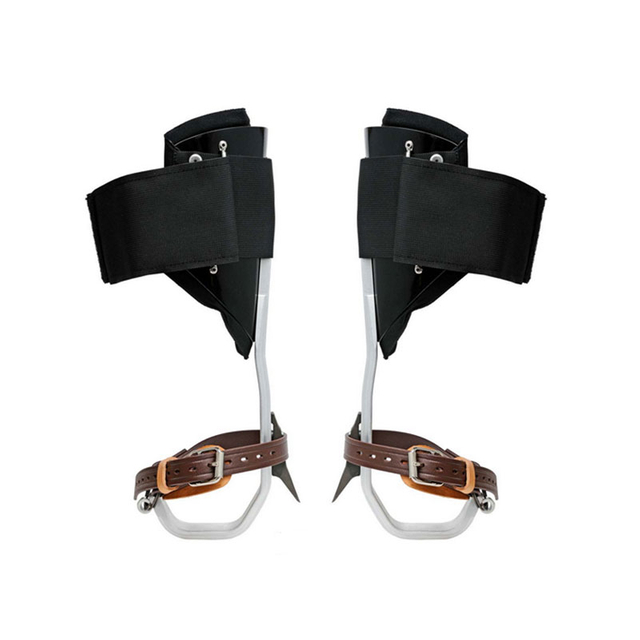
When arborists perform pruning or removal work, they need Tree Climbing Spikes that provide stability, precision, and comfort for extended climbs. These tasks often involve navigating large trees, working at varying heights, and positioning themselves on branches or trunks. Arborists typically choose longer gaffs (spike length) to ensure deep penetration into the bark for a secure hold. The longer spikes help prevent slipping and provide stable footing on thick, fibrous bark, which is commonly found in mature trees.
Key considerations for arborists:
● Longer gaffs: Necessary for thicker bark found in larger, older trees.
● Comfortable padding: For reduced leg fatigue during long climbs.
● Stable design: Ensures secure footing for cutting and pruning without risk of slipping.
In addition to the gaffs, the pad design and cuff system are crucial to ensure comfort during prolonged periods in the tree. Arborists need equipment that supports their body weight without discomfort, especially when they are frequently climbing in the canopy.
Differences between tree-based climbing and utility or pole climbing scenarios
The Tree Climbing Spikes used for tree climbing differ significantly from those used for utility or pole climbing. While tree climbing involves working on a variety of surfaces, utility or pole climbing requires precision on smooth, often vertical surfaces like utility poles. The key differences between the two types of climbing are:
Climbing Type | Gaff Length | Surface Type | Design Features |
Tree Climbing | Longer gaffs (2.5 - 3 inches) | Thick, fibrous bark | Deeper penetration for stability |
Utility/Pole Climbing | Shorter gaffs (1.5 - 2 inches) | Smooth, hard surfaces (poles) | Precision fit for minimal damage and slippage |
● Tree climbing: Longer gaffs are used to penetrate thick, fibrous bark and provide a solid grip on larger trees.
● Utility/pole climbing: Shorter gaffs are more suitable for hard, smooth surfaces like poles. These gaffs prevent over-penetration, which could damage the surface.
Each spike type is carefully designed to optimize performance for the unique demands of tree climbing versus utility pole climbing.
How climb duration, frequency, and working posture influence spike selection
The duration and frequency of climbing, as well as the climber’s working posture, are important factors when choosing Tree Climbing Spikes. For example:
● Long climbs: Arborists who climb for extended periods prefer lighter materials like aluminum or carbon fiber. These materials reduce leg fatigue and allow for longer, more efficient climbs without sacrificing performance. Aluminum is lighter than steel, while carbon fiber is even lighter, making it ideal for professionals who require endurance.
● Short, high-intensity tasks: For tasks such as tree removal, steel spikes are often preferred due to their greater durability and strength. Steel handles the stress of heavier loads and intense movements better, but the weight can increase fatigue.
● Posture-based selection: A climber's posture and movements impact the choice of shank design. If a climber spends more time standing or positioning, an adjustable shank provides more comfort and flexibility. In contrast, climbers performing dynamic tasks may prefer a more rigid shank for consistent support and stability.
Factors affecting spike choice:
● Duration of use: Longer climbs favor lightweight materials like aluminum or carbon fiber.
● Task intensity: Short-term, high-intensity climbs require heavier-duty materials like steel.
● Posture and movement: Adjustable shanks support climbing flexibility, while rigid shanks provide stability for consistent use.
By considering the duration, frequency, and posture involved in each climbing task, climbers can make informed decisions about which spikes best meet their needs for safety and comfort.
Conclusion
Tree Climbing Spikes differ in design, material, and function, which directly impacts their performance. Understanding these differences helps ensure safer, more efficient climbing. The right spikes provide better stability and reduce fatigue, improving overall climbing efficiency. With JITAI Electric Power Equipment Co., Ltd.'s high-quality climbing tools, professionals can rely on durable, well-designed equipment that enhances comfort and safety during tree work.
FAQ
Q: What are Tree Climbing Spikes used for in industrial applications?
A: Tree Climbing Spikes are essential for arborists and utility workers performing vertical ascents in trees. They provide stable footholds for safe climbing during pruning, removal, or maintenance operations.
Q: How do I choose the right Tree Climbing Spikes for my team?
A: When selecting Tree Climbing Spikes, consider factors like tree type, gaff length, material durability, and comfort. Choose longer spikes for thick bark and lighter materials for extended climbs.
Q: What are the maintenance requirements for Tree Climbing Spikes?
A: Regular inspection of gaff sharpness, strap condition, and pad wear is essential. Replace worn or damaged components to maintain safety and climbing efficiency.
Q: What are the cost implications of different Tree Climbing Spikes materials?
A: Steel Tree Climbing Spikes offer durability at a lower cost but are heavier. Aluminum and carbon fiber provide lighter options with higher upfront costs but lower long-term fatigue and increased climbing efficiency.
Q: Can Tree Climbing Spikes cause damage to trees during use?
A: Yes, spikes should only be used on trees being removed. They can puncture the cambium layer, potentially harming healthy trees. Proper use and selection of gaff types help minimize damage.


