Introduction
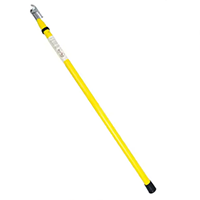
The utility industry faces a constant battle between high-voltage safety and physical strain. For decades, linemen relied on heavy, fixed-length tools to manage live-line tasks. However, the introduction of the modern telescopic link stick changed the game. It isn't just a pole; it is a specialized insulated tool designed to bridge the gap between human reach and dangerous electrical conductors.
As power grids grow more complex, the ergonomics of these tools become vital. A heavy or poorly balanced link stick leads to shoulder fatigue, lower back injuries, and reduced precision. This article explores how the shift from solid wood to fiberglass and epoxy resin has revolutionized the workspace. We will look at how modern engineering makes these tools more portable while maintaining the highest high voltage safety ratings. For those in the field, understanding these changes is the key to a longer, healthier career.
From Solid Wood to Advanced Fiberglass Construction
In the early days of electrical maintenance, a link stick was often a solid piece of treated wood. While it provided basic insulation, it was incredibly heavy and prone to absorbing water. The evolution toward fiberglass materials marked the first major ergonomic leap. Manufacturers began using pultruded fiberglass reinforced with epoxy resin. This combination offers a high strength-to-weight ratio that wood simply cannot match.
Today, the core of a high-quality link stick uses a foam-filled longitudinal construction. This design prevents internal condensation and ensures the tool remains high moisture-proof. For the lineman, this means a lighter tool that doesn't sacrifice stiffness. When you are working at heights, every pound saved reduces the torque on your rotator cuff. Modern fiberglass poles are significantly thinner yet can withstand the mechanical stresses of opening heavy switches or replacing fuses.
Telescopic Engineering: The Shift to a Portable Design
The transition from sectional poles to a telescopic link stick solved a massive logistical and ergonomic headache. In the past, linemen had to carry multiple sections of heavy poles and snap them together on-site. This was time-consuming and required awkward overhead lifting. A portable telescopic design allows the user to extend only the length they need for the specific task.
Ease of Transport and Storage
A portable tool fits easily into standard service truck bins. It eliminates the need for external roof racks that expose tools to road grime and UV damage. When the tool is retracted, it is compact and balanced. This makes it much safer for a single operator to carry from the truck to the pole base without tripping or straining their back.
Rapid Deployment Mechanics
Modern locking mechanisms are designed for one-handed operation. They use spring-loaded buttons that click securely into place. This allows the lineman to keep their eyes on the high voltage lines while extending the tool. It minimizes the time spent in awkward physical postures, which is a primary goal of ergonomic tool design.

Ergonomic Grip and Balance: Reducing Musculoskeletal Strain
Ergonomics is not just about weight; it is about how the weight feels in your hand. A poorly balanced link stick feels twice as heavy as it actually is. Engineers now focus on the "tip-heavy" nature of these tools. By using tapered designs, where the top sections are narrower and lighter than the base, the center of gravity stays closer to the operator.
| Feature | Old Style Fixed Poles | Modern Telescopic Link Stick |
| Material | Solid Wood / Heavy Glass | Fiberglass & Epoxy Resin |
| Weight (12ft) | ~10-12 lbs | ~4-6 lbs |
| Surface | Smooth/Slippery | Textured/Non-slip Ergonomic Grip |
| Weathering | Absorbs Moisture | High moisture-proof coating |
We see more tools featuring triangular or "no-turn" shapes. These designs fit the natural contour of a gloved hand better than a perfect circle. They prevent the tool from spinning while the lineman is applying torque to a disconnect switch. This reduction in "grip force" is essential for preventing carpal tunnel syndrome and forearm fatigue over years of field use.
Insulated Safety: The Role of Epoxy Resin and Moisture Resistance
Safety is the foundation of ergonomics. If a lineman doesn't trust their tool, they hold it with excessive tension, leading to muscle strain. The use of epoxy resin in the manufacturing process creates a superior insulated barrier. This resin seals the fiberglass fibers, creating a smooth, non-porous surface that resists contaminants.
The Importance of High Moisture-Proof Surfaces
In humid or rainy conditions, water beads can form a conductive path on a tool's surface. A high moisture-proof finish ensures that water "beads up" and rolls off rather than forming a continuous film. This provides the lineman with peace of mind during high voltage operations in less-than-ideal weather.
Dielectric Integrity Maintenance
The epoxy resin coating also protects the tool from UV degradation. Over time, sunlight can "fiber bloom" an old fiberglass pole, making it itchy to touch and less effective as an insulator. Modern coatings keep the link stick slick and safe, ensuring it passes periodic dielectric testing with ease.
Specialized Attachments for High Voltage Precision
An ergonomic link stick is only as good as the head attached to it. The evolution of "universal" heads has allowed linemen to switch between tasks without changing the entire pole. This versatility makes the tool more portable and functional.
Mechanical Advantage in Switching
Precision-machined heads allow for better leverage. When a lineman needs to pull a stuck fuse barrel, a well-designed link stick head provides the necessary grip without requiring extreme physical force. This reduces the "jerk" motion that often leads to neck and back tweaks.
Visual Indicators for Safety
Many modern sticks now include high-visibility "fluorescent" tip sections. This helps the lineman judge distances more accurately when working near high voltage conductors. Better visual cues mean less leaning and stretching, keeping the body in a more neutral, ergonomic position.
Training and Field Implementation of Ergonomic Tools
Even the best link stick can cause injury if used improperly. Training programs now emphasize "neutral spine" positions. We recommend that linemen stand as close to the work as safety clearances allow to minimize the "lever arm" effect.
Body Mechanics: Keep the base of the link stick close to your center of mass.
Footwork: Pivot your feet rather than twisting your waist when moving a heavy fuse.
Teamwork: For extremely long extensions, use two-person teams to manage the weight and guidance.
Regular inspections are also a part of the ergonomic cycle. A damaged or dirty tool requires more force to operate. Keeping the fiberglass clean and waxed ensures that the telescopic sections slide smoothly, preventing the "stick-slip" motion that can snap or jar the operator's joints.
Analyzing the ROI of Ergonomic Hot Line Tools
Investing in high-quality fiberglass tools is not just a safety choice; it is a financial one. Musculoskeletal disorders (MSDs) are among the most expensive worker's compensation claims in the utility sector. By switching to a lighter, portable link stick, utilities see a direct reduction in long-term disability costs.
When a tool is easy to use, the job gets done faster and with fewer errors. A lineman who isn't struggling with a heavy pole can focus entirely on the high voltage task at hand. This leads to better grid reliability and fewer accidental outages caused by tool mishandling. The longevity of the tool, thanks to epoxy resin durability, means that the initial investment pays for itself over many years of service.
The Future: Smart Materials and Carbon Fiber Integration
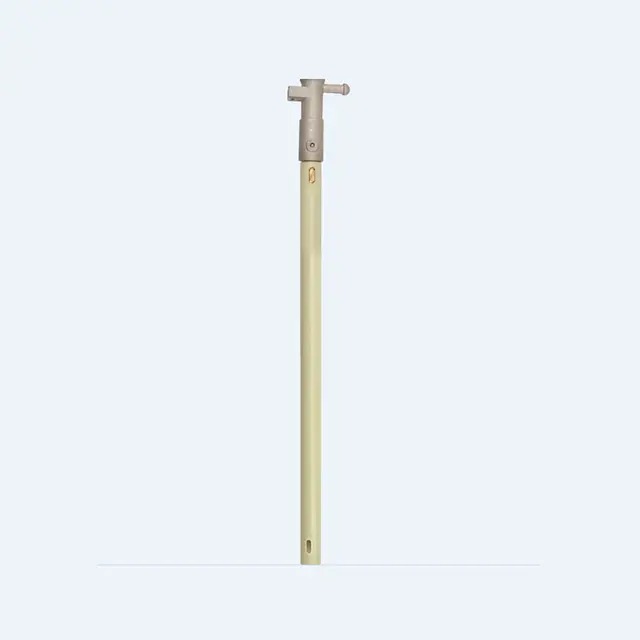
We are already seeing the next phase of the link stick evolution. While fiberglass is the current standard, carbon fiber blends are beginning to emerge. These materials could potentially make tools even more portable by further reducing weight. However, the challenge remains maintaining the insulated properties, as carbon fiber is naturally conductive.
The goal for the next decade is to integrate sensors into the link stick. Imagine a tool that alerts the user to leakage current or provides a digital readout of the tension being applied to a switch. This would provide an even higher level of protection during high voltage work while ensuring the lineman never overexerts their muscles.
Conclusion
The evolution of the link stick is a testament to the industry's commitment to worker safety and health. From the heavy timber of the past to the fiberglass and epoxy resin wonders of today, every design change has focused on making the tool more portable, insulated, and ergonomic. By reducing weight and improving balance, we ensure that linemen can perform their critical high voltage work without sacrificing their physical well-being.
FAQ
Q1: Why is fiberglass preferred over aluminum for a link stick?
A: Unlike aluminum, fiberglass is non-conductive, making it a safe insulated choice for high voltage work. It is also more resilient and doesn't dent as easily.
Q2: How often should I clean my link stick?
A: You should wipe it down before every use. To maintain its high moisture-proof properties, it should be cleaned with specialized wipes and waxed periodically to prevent water filming.
Q3: Can a telescopic link stick be used in the rain?
A: Yes, provided it is rated as high moisture-proof and is kept clean. However, standard safety protocols for wet-weather live-line work must always be followed.
Our Factory and Expertise
We have spent years working within the heart of the electrical safety industry, and I have seen firsthand the difference that quality manufacturing makes. Our factory is at the forefront of this evolution. We don't just assemble parts; we engineer solutions. We utilize a specialized pultrusion process to create our fiberglass tubes, ensuring every link stick we produce has a consistent density and high dielectric strength. Our team is deeply committed to the B2B sector, providing utilities and contractors with tools that are not only portable but also incredibly durable. When you choose our products, you are benefiting from decades of research into epoxy resin coatings and ergonomic design. We stand behind our strength as a manufacturer that prioritizes the lineman's health as much as their safety.


