Electrical safety is a critical concern, especially when working with high-voltage systems. Linemen, electricians, and other professionals involved in electrical maintenance must prioritize safety when handling equipment and systems that could carry dangerous electrical charges. One of the most vital tools used in these environments is the discharge grounding stick.
The grounding stick is a safety device used to discharge residual electrical energy from high-voltage cables or equipment, ensuring that they are safe to work on. When properly used, it helps eliminate the risk of electric shock and ensures that workers can maintain electrical systems without exposure to dangerous voltages. This article provides a comprehensive, step-by-step guide on how to use a discharge grounding stick effectively when working on high-voltage cables.
1. Understanding the Discharge Grounding Stick
What is a Discharge Grounding Stick?
A discharge grounding stick is an essential safety tool used to direct electrical energy into the ground to neutralize hazardous charges. It works by establishing a secure connection between an electrical system and a grounding point (often the earth or a specifically designed metal conductor). The grounding stick is used to discharge any residual energy that may remain in a system after it has been de-energized, making it safe for electrical workers to conduct repairs, maintenance, or inspections.
How Does the Grounding Stick Work?
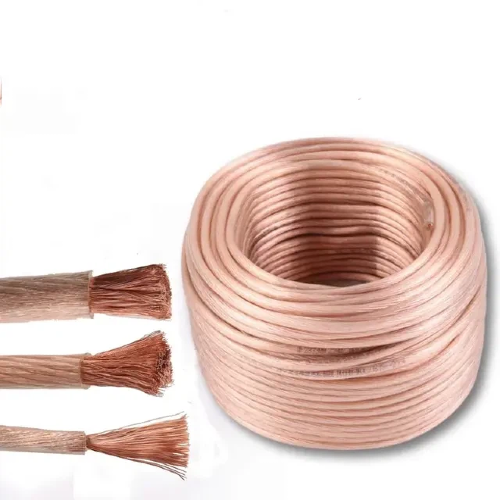
The grounding stick is designed to safely handle high levels of electrical energy. It typically has a conductive rod (made from copper or aluminum), which is used to carry electrical energy from a live circuit or cable to the ground. One end of the grounding stick is attached to a high-voltage system, while the other is connected to a low-resistance grounding system, such as a grounding rod or grounded metal framework.
Once the connection is made, the grounding stick allows the residual electrical energy to flow safely into the earth, neutralizing any stored electrical charge. This process ensures that the system is safe to work on without the risk of re-energizing or accidental electric shock.
Key Components of a Grounding Stick
Component | Description |
Insulated Handle | The insulated handle ensures the worker is not exposed to electrical energy, protecting them from shock. |
Conductive Rod | The rod, usually made of copper or aluminum, is the part of the grounding stick that conducts electricity safely to the ground. |
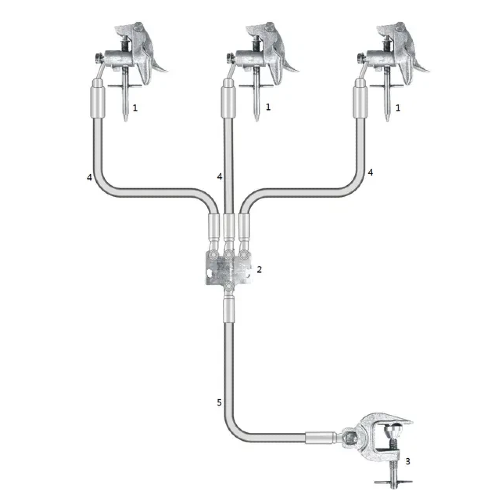
Grounding Clamp | A clamp attached to one end of the grounding stick, which is used to securely attach the stick to a live electrical circuit or cable. |
Connecting Cable | Some grounding sticks may have a cable attached to connect the rod to the grounding point, ensuring an effective discharge of electrical energy. |
Each component of the grounding stick plays a critical role in ensuring safe operation, preventing electrical hazards, and providing adequate protection for workers.
2. Preparation Before Using a Grounding Stick
Safety Checks
Before using a discharge grounding stick, it is essential to perform a thorough safety check to ensure both the equipment and the worker are fully protected. This includes:
Inspection of the Grounding Stick: Check for any visible damage or wear. Look for cracks, fraying, or any signs of degradation in the insulating material.
Testing for Proper Functionality: Verify that the grounding clamp and conductive rod are in proper working condition and that there are no loose connections.
Confirming the Condition of the Electrical System: Ensure that the electrical system is powered off and that all appropriate lock-out/tag-out procedures are in place.
Personal Protective Equipment (PPE)
Electrical workers must wear the appropriate Personal Protective Equipment (PPE) to protect themselves from electrical hazards. This includes:
Rubber gloves: To prevent electrical current from reaching the body.
Safety boots: With rubber soles to prevent electrical shock through the feet.
Face shield or safety goggles: To protect the eyes from any potential arc flashes or debris.
Arc flash suit: In some cases, a full arc flash suit is required, especially in high-voltage environments.
Pre-Use Inspection of the Grounding Stick
It is crucial to inspect the grounding stick before each use. A proper inspection ensures that the tool will perform as expected and that there are no issues that could compromise safety. The worker should check:
Handle insulation: Ensure that the handle is free from cracks and damage.
Clamp condition: Check for corrosion, rust, or any loose parts that might affect the clamp’s grip.
Rod and connections: Ensure that the conductive rod is securely attached to the handle and that there are no signs of wear.
3. Step-by-Step Process to Use the Grounding Stick
Step 1: Identifying the Correct Grounding Point
Before using the grounding stick, it is essential to identify the appropriate grounding point on the electrical system. The grounding point should have a low-resistance path to the earth to ensure the safe discharge of electrical energy. Typically, grounding points are located at:
Grounding rods that are installed deep into the earth.
Grounded metal equipment or structures that are already part of the electrical system.
Step 2: Attaching the Grounding Clamp
Once the grounding point is identified, the grounding clamp on the stick must be securely attached to the live electrical circuit or cable. The clamp should provide a firm grip on the cable to ensure that the grounding stick remains in place during the discharge process.
It is important to ensure that the clamp is attached to a clean, unpainted metal surface to allow for the best possible electrical connection. Improper attachment or a loose clamp could result in ineffective grounding and pose a safety risk.
Step 3: Connecting to the Grounding System
After the grounding clamp is securely attached, the other end of the grounding stick must be connected to the grounding point. This point could be a grounding rod or metal frame that has been properly installed and connected to the earth.
The connection should be firm to ensure that no resistance is encountered during the discharge process. The connection point should be checked periodically to ensure that it remains intact and that no electrical energy is leaking through other parts of the system.
Step 4: Confirming Discharge
Once the grounding stick is connected and the discharge process begins, it is important to confirm that the system has been fully grounded. Workers can do this by using voltage detectors or electrical meters to check that the system no longer contains any residual electrical energy.
Workers should also wait for a few minutes to ensure that the discharge process is complete before starting maintenance work.
Step 5: Removing the Grounding Stick
After confirming that the electrical energy has been safely discharged, the grounding stick can be removed. The removal process should be done in reverse order:
Disconnect the grounding stick from the grounding point.
Remove the clamp from the live electrical system.
Ensure that the grounding stick is properly stored away for future use.
It is essential to avoid touching the rod or clamp during the removal process to prevent accidental shock.
4. After Use: Post-Application Steps
Inspecting the Grounding Stick
Once the grounding stick has been used, it should be thoroughly inspected to ensure it is still in good condition. Look for signs of wear or damage, such as:
Cracks or chips in the insulating material.
Loose connections or corroded parts.
Visible wear on the conductive rod or clamp.
If any damage is found, the grounding stick should be removed from service and replaced or repaired.
Storing the Grounding Stick
Proper storage is critical to prolong the life of the grounding stick. It should be stored in a clean, dry environment where it is protected from physical damage, corrosion, and exposure to harsh chemicals. The stick should be placed in a designated storage area and kept away from potential hazards.
Recording the Maintenance
For compliance and safety tracking, it’s important to document the use and condition of the grounding stick after each use. This should include information on any inspections, repairs, or replacements that were made, as well as the date of use and the equipment it was used with.
5. Safety Tips and Best Practices
Avoiding Common Mistakes
While grounding sticks are relatively straightforward to use, there are a few common mistakes that can lead to unsafe practices. These include:
Insecure connections: Always ensure the clamp is firmly attached to the electrical system and the grounding point.
Neglecting PPE: Workers should never skip wearing the necessary protective gear, even if the system is powered off.
Rushing the process: It is crucial to follow the proper procedures slowly and carefully to ensure the grounding stick is used safely.
Regular Training
Electrical workers should regularly undergo training to keep up-to-date with the latest safety procedures and regulations. Familiarity with grounding techniques, the proper use of grounding sticks, and ongoing safety protocols will enhance safety in the workplace.
Compliance with Regulations
Always ensure that the use of the grounding stick complies with local and international safety standards, such as OSHA 1910.269 and IEC 60204. These standards provide guidelines on the safe use of grounding equipment and electrical systems.
6. Conclusion
In conclusion, the discharge grounding stick is an essential tool for safely discharging electrical energy from high-voltage cables or systems. By following the correct procedures for using the grounding stick, electrical workers can ensure that systems are de-energized and safe to handle, significantly reducing the risk of electrical shock or accidents. Proper preparation, diligent use, and thorough post-application checks are vital to maintaining the tool's efficiency and protecting workers.
At JITAI Electric Power Equipment, we specialize in providing high-quality grounding solutions and electrical safety tools, including discharge grounding sticks. Our products are designed to meet the highest industry standards, ensuring maximum safety and reliability for electrical workers. If you're looking for dependable grounding tools or need expert advice on selecting the right equipment, our team is ready to assist you. Feel free to contact us for more information or to discuss your specific safety equipment needs.
7. FAQ
1. What is the primary function of a discharge grounding stick?
A discharge grounding stick is used to safely discharge residual electrical energy from high-voltage cables, preventing electrical hazards during maintenance or repairs.
2. How do I know when the grounding stick has effectively discharged the energy?
Use a voltage detector or electrical meter to check that the system no longer contains any electrical energy before starting any work.
3. Can the grounding stick be used on all high-voltage cables?
Yes, grounding sticks can be used on most high-voltage cables, but it’s important to ensure the stick is rated for the voltage level you are working with.
4. Is it necessary to use PPE when using a grounding stick?
Yes, wearing proper PPE (Personal Protective Equipment) is essential, even when working with de-energized systems, to ensure complete safety.
5. Can the grounding stick be damaged?
Yes, grounding sticks can wear out over time, especially if they are exposed to harsh conditions. It is essential to inspect the grounding stick before and after use for any signs of damage.


