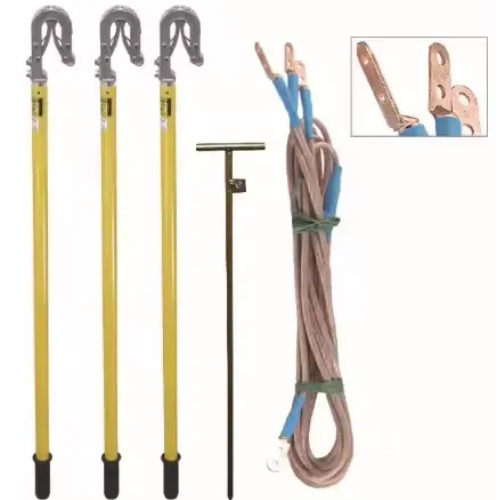
In electrical work, safety is paramount. Linemen, electricians, and other professionals in the field need to utilize a range of tools designed to ensure that they can work on electrical systems safely. Two of the most important tools for electrical work are the insulating rod and the grounding stick. Although both are essential for ensuring safety, they serve very different functions. Understanding the differences between these two tools is crucial for electrical workers to select the right tool for the right task.
An insulating rod is used to keep workers insulated from electrical currents, while a grounding stick ensures that any electrical energy left in a circuit is safely discharged into the ground. In this article, we will explore the specific differences between these two tools and provide a deeper understanding of when and how each should be used. By the end of this article, linemen will be well-equipped to make informed decisions on choosing the right tool for electrical work.
1. What is an Insulating Rod?
Definition and Function
An insulating rod is a non-conductive tool used to provide electrical workers with a safe distance from live electrical circuits. It acts as a protective barrier, preventing the worker from coming into direct contact with electrical systems that may carry live electrical currents. Insulating rods are typically made of materials that are poor conductors of electricity, such as fiberglass, composite polymers, and rubber, ensuring that no electricity can pass through them and into the worker's body.
The purpose of the insulating rod is to prevent electrical shock during maintenance or repair of electrical systems that are live, meaning the power has not been turned off. It is particularly useful when the worker must reach high-voltage systems, such as circuit breakers, without coming into direct contact with the electrical components.
Materials Used in Insulating Rods
Insulating rods are constructed from high-quality, non-conductive materials that provide the necessary insulation to protect workers from electrical shock. The most common materials used for insulating rods include:
Fiberglass: Fiberglass is one of the most commonly used materials for insulating rods. It is lightweight, durable, and has excellent electrical resistance, making it ideal for use in high-voltage environments.
Composite Polymers: These materials are often used for their ability to withstand high dielectric stress, ensuring that the rod maintains its insulating properties even under extreme conditions.
Rubber: Rubber provides flexibility and excellent insulation properties, though it is generally used in lower-voltage applications. It is especially common for use in flexible insulating rods.
Each of these materials plays a crucial role in ensuring that the rod performs effectively to keep the electrical worker safe when dealing with live electrical circuits.
Material |
Properties |
Fiberglass |
Lightweight, strong, and resistant to electrical current, making it ideal for high-voltage environments. |
Composite Polymers |
Offers high dielectric strength, excellent insulation properties, and durability for repeated use. |
Rubber |
Flexible and provides excellent electrical resistance, but is typically used for lower-voltage applications. |
These materials are essential in providing the insulating rod with the necessary properties to safely perform its role in protecting workers.
2. What is a Grounding Stick?
Definition and Purpose
A grounding stick is a safety tool used to safely discharge residual electrical energy into the ground. It is an essential tool for ensuring that an electrical system is safe to work on, particularly when maintenance or repairs are being performed. Grounding sticks are used when electrical systems are powered off, but residual energy still remains within the system. The grounding stick safely redirects this energy to the ground, neutralizing potential hazards.
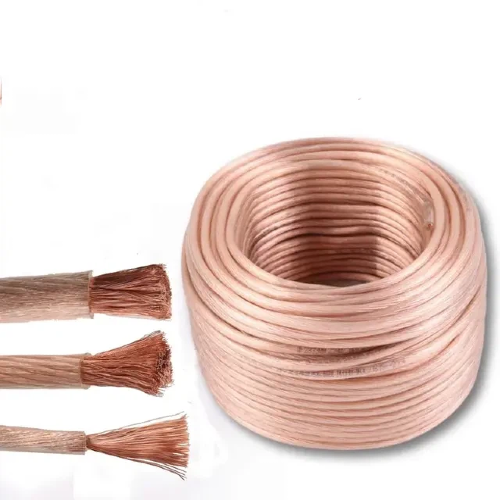
The grounding stick typically has a conductive rod (usually made from copper or aluminum) and a clamp at one end to attach to the electrical system. The other end of the grounding stick is connected to a grounding point, such as a grounding rod or other established grounding systems, allowing the electrical energy to flow into the earth. This process ensures that electrical systems are safe to handle, without the risk of electrocution or shock.
How Grounding Sticks Work
The grounding stick operates by providing a direct path for electrical current to flow from the live electrical system into the ground. When the grounding stick is attached to the electrical system, any residual electrical energy that might be left in the system is safely discharged. This discharge prevents the system from becoming re-energized unexpectedly, reducing the risk of electrical shock during maintenance or repairs.
The main difference between grounding sticks and insulating rods lies in their function. While the insulating rod isolates workers from live electrical circuits, the grounding stick is used to prevent electrical systems from causing harm by safely directing any residual electrical charge into the ground.
3. Key Differences Between Insulating Rods and Grounding Sticks
Understanding the differences between insulating rods and grounding sticks is essential for every lineman or electrical worker. Below, we compare the two tools based on their function, design, and usage.
Primary Function
Feature |
Insulating Rod |
Grounding Stick |
Primary Function |
Protects the worker from electrical shock by providing insulation from live electrical components. |
Safely discharges electrical energy from live circuits into the ground to neutralize potential hazards. |
Safety Role |
Provides a non-conductive barrier between the worker and live circuits. |
Provides a controlled pathway for residual electrical energy to flow into the earth. |
Work Scope |
Used to work on live electrical systems without direct contact with high-voltage sources. |
Used to ground electrical systems to ensure they are safe to work on and prevent accidental electrocution. |
The main distinction lies in the primary function: insulating rods are designed to protect the worker by providing insulation, whereas grounding sticks are designed to neutralize electrical energy in systems.
Design and Structure
Component |
Insulating Rod |
Grounding Stick |
Material |
Made from fiberglass, composite polymers, or rubber. |
Made from copper, aluminum, and steel to provide optimal electrical conductivity. |
Length and Shape |
Longer and more flexible, allowing for safe distance from live circuits. |
Shorter and more robust with a handle, designed for attaching to electrical systems for grounding. |
Clamping Mechanism |
No clamp is necessary, as the rod is simply used for insulation. |
Equipped with a clamp to securely attach to live electrical systems for grounding. |
The design and structure of the two tools are adapted to their specific purposes. Insulating rods are typically longer and more flexible, while grounding sticks are shorter and have clamps for secure attachment.
Usage
Usage Scenario |
Insulating Rod |
Grounding Stick |
Live Electrical Work |
Used to safely work on or near live electrical circuits without direct contact. |
Not typically used for live work; instead, used after the system is de-energized to discharge electrical energy safely. |
Maintenance and Repair |
Ideal when handling live wires or equipment without risk of shock. |
Used when preparing electrical systems for maintenance by ensuring any residual electrical charge is grounded. |
General Application |
Suitable for situations requiring insulation from high-voltage sources. |
Ideal for safely grounding electrical systems during maintenance work to prevent electrical hazards. |
Key Takeaways:
Insulating rods are used for working on live circuits and provide electrical isolation.
Grounding sticks are used to ground electrical systems and discharge any residual voltage.
4. When to Use an Insulating Rod and When to Use a Grounding Stick
Using an Insulating Rod
An insulating rod is primarily used when the worker needs to perform tasks on live electrical systems. For instance, if an electrician is working on an active circuit, the insulating rod provides the necessary insulation to prevent electrical shock. The worker can safely handle electrical components without touching live wires, as the rod acts as a protective barrier.
Using a Grounding Stick
In contrast, a grounding stick is used when the electrical system has been powered off, but there is still residual energy within the system. Grounding sticks are essential before any maintenance work can begin. The grounding stick ensures that any remaining electrical charge is safely discharged into the earth, making it safe for the technician to perform work on the system.
5. Safety and Regulatory Considerations
Safety Standards for Insulating Rods
Insulating rods must meet specific safety standards to ensure they are effective in preventing electrical shock. These standards, such as ASTM F711 and IEC 60243, outline the requirements for the insulation materials used, as well as the testing methods to ensure the rod’s effectiveness in real-world conditions.
Safety Standards for Grounding Sticks
Similarly, grounding sticks must also meet safety requirements to ensure they effectively neutralize residual electrical energy. Industry standards such as OSHA 1910.269 provide guidelines on how to properly ground electrical systems to prevent accidents. Regular inspection and maintenance of grounding sticks are essential to ensure their continued effectiveness.
6. Conclusion
In conclusion, both insulating rods and grounding sticks are indispensable tools for ensuring electrical safety. Insulating rods provide vital protection for workers by preventing electrical shock while handling live circuits, while grounding sticks are essential for safely discharging residual electrical energy from systems that have been powered off. Understanding the distinct roles and proper usage of these tools is crucial in minimizing electrical hazards.
At JITAI Electric Power Equipment, we specialize in high-quality electrical safety equipment, including both insulating rods and grounding sticks. Our tools are designed to meet the highest safety standards, providing reliable protection for electrical workers in various industries. We are committed to helping you maintain a safe working environment, reducing electrical risks, and improving overall workplace safety. For more information or to discuss your specific needs, feel free to contact us. Our team is ready to assist you in selecting the right equipment for your safety requirements.
7. FAQ
1. What is the main purpose of an insulating rod?
An insulating rod is used to prevent electrical shock by providing a safe distance between the worker and live electrical systems.
2. When should a grounding stick be used?
A grounding stick should be used when an electrical system has been powered off, to discharge any residual energy safely into the ground before maintenance or repairs begin.
3. Can an insulating rod be used to ground electrical systems?
No, an insulating rod is designed for insulation purposes and does not discharge electrical energy into the ground. Grounding sticks are used for that purpose.
4. Which tool is more critical for electrical safety?
Both tools are crucial but serve different purposes: insulating rods ensure safe working distances from live circuits, while grounding sticks are essential for discharging electrical energy and ensuring the system is safe to work on.


