Introduction
Electricity powers our modern world, but it remains one of the most significant hazards in any industrial environment. If you work near high-tension equipment, you have likely heard of switchboard matting. But what exactly is it, and why is it a non-negotiable requirement for facility managers and electrical engineers?
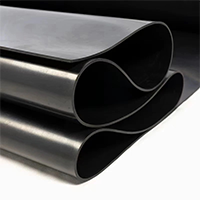
Simply put, switchboard matting is a specialized safety floor covering designed to protect personnel from accidental electric shocks. It acts as a primary line of defense by providing an insulated rubber barrier between the worker and the earth. This prevents the human body from becoming a path for electrical current in the event of a leakage or short circuit.
In this comprehensive guide, we will explore the technical specifications, safety standards, and practical applications of this essential safety tool. Whether you are upgrading a power plant or securing a small server room, understanding how to choose and maintain the right electrical safety matting is crucial for protecting lives and ensuring regulatory compliance.
Defining Switchboard Matting: The Ultimate Non-Conductive Barrier
At its core, switchboard matting—often referred to as dielectric matting—is a high-performance non-conductive floor surface. Unlike standard anti-fatigue mats or general-purpose rubber flooring, it is engineered with specific dielectric properties. Its primary job is to "stop" the flow of electricity.
When an operator stands on this insulated rubber surface while working on live switchgear, the mat breaks the circuit to the ground. In electrical terms, it provides high resistance. This ensures that even if a worker touches a live wire or a faulty component, the current cannot pass through their boots, into their body, and out through the floor.
Material Composition and Engineering
Most high-quality switchboard matting consists of a proprietary blend of natural and synthetic rubber. Manufacturers design it to balance flexibility with extreme durability. It must be tough enough to withstand heavy foot traffic and the weight of equipment while remaining supple enough to lay flat without tripping hazards.
Key features often include:
Dielectric Strength: The maximum voltage it can withstand without breaking down.
Surface Texture: Usually corrugated or diamond-plated to prevent slips.
Thickness: Correlates directly with the voltage protection level.
The Critical Importance of Electrical Safety Standards (ASTM and IEC)
You cannot simply buy any rubber mat and call it switchboard matting. To be effective, it must meet rigorous international standards. These benchmarks ensure the mat has undergone testing under extreme conditions to verify its electrical safety capabilities.
In the United States, the ASTM D178 standard is the gold standard for industrial applications. Globally, the IEC 61111 standard is more common. These standards categorize mats into "Classes" based on the maximum voltage they can safely handle.
Understanding Voltage Classes
Choosing the wrong class is a fatal mistake. Below is a breakdown of the standard ASTM D178 classes you will encounter when sourcing switchboard matting:
| Class | Proof Test Voltage | Max Use Voltage | Typical Thickness |
| Class 0 | 5,000 VAC | 1,000 VAC | 1/4 inch |
| Class 1 | 10,000 VAC | 7,500 VAC | 1/4 inch |
| Class 2 | 20,000 VAC | 17,000 VAC | 1/4 inch |
| Class 3 | 30,000 VAC | 26,500 VAC | 3/8 inch |
| Class 4 | 40,000 VAC | 36,000 VAC | 1/2 inch |
Why "Max Use Voltage" Matters
Note the gap between the proof test and max use voltage. This buffer exists for your protection. If your facility operates at high voltage levels (above 1,000V), you must select a mat that covers your peak potential surge, not just your nominal operating voltage.
Applications Across Industrial and Commercial Sectors
Where do you find switchboard matting? It is ubiquitous in any environment where live electricity is handled. It isn't just for power plants; it is a staple in modern infrastructure.
Power Generation and Distribution
In transformer rooms and substations, the risk of a high voltage arc flash is constant. Here, workers use heavy-duty non-conductive mats to line the entire floor space in front of control panels. They provide a safe zone where technicians can perform routine maintenance without the constant fear of ground faults.
Commercial Building Infrastructure
Think about the basement of a skyscraper or a large hospital. The "Main Distribution Frame" (MDF) or the primary electrical room contains massive amounts of energy. Switchboard matting is installed here to protect facilities staff who may not be specialized electricians but still need to access the room for inspections.
Manufacturing and Data Centers
Data centers house thousands of servers. While the individual servers are low voltage, the power distribution units (PDUs) feeding them are not. Industrial grade switchboard matting ensures that if a surge occurs, the technicians working on the racks stay safe.
Elevator Machine Rooms: Often required by local building codes.
Control Rooms: Protecting operators of heavy machinery.
Laboratories: Where sensitive electrical testing occurs.
Key Performance Attributes: Beyond Insulation
While insulation is the main goal, a high-quality switchboard matting product must offer more. If it cracks, slips, or catches fire, it creates new hazards. That is why experts look for specific "secondary" attributes.
Fire Resistance and Chemical Stability
In an electrical fault, heat and sparks are common. A fire resistant mat will not contribute to the spread of a blaze. It should be self-extinguishing. Additionally, many industrial floors are exposed to oil, grease, or cleaning chemicals. The insulated rubber must be ozone-resistant and oil-resistant to prevent the material from degrading over time.
Slip Resistance and Ergonomics
An electrical room is a dangerous place to trip. Therefore, the surface of the switchboard matting usually features a "Fine Tooth" or "Corrugated" ribbing. This design channels away moisture and provides grip. Some versions also offer anti-fatigue properties, which is a bonus for workers who spend hours standing in front of control arrays.
Durability and Longevity
They are investments in safety. They should withstand the rolling of heavy tool carts and the scuffing of work boots without losing their dielectric integrity. We recommend looking for mats that are "mil-spec" or tested for puncture resistance.
How to Properly Install and Inspect Your Switchboard Matting
Buying the right mat is only half the battle. If you install it incorrectly or fail to inspect it, you are operating under a false sense of security. Electrical safety requires constant vigilance.
Installation Best Practices
We always suggest a "wall-to-wall" approach in small electrical closets. If the mat is too small, a worker might accidentally step one foot off the mat while reaching for a switch, completing a circuit to the ground.
Clean the Subfloor: Ensure no sharp rocks or metal shavings are under the mat. They could puncture the non-conductive barrier.
No Gaps: If using multiple mats, they should be seamed or overlapped according to manufacturer specs to prevent a "leakage path."
The Daily Inspection Routine
You should inspect your switchboard matting every time you use it. Look for:
Cuts and Tears: Even a small slit can allow electricity to "track" through the mat.
Embedded Objects: Metal chips or wires stuck in the ribs can turn an insulated rubber mat into a conductor.
Moisture and Dirt: Dirt can conduct electricity across the surface. Keep the mats dry and clean.
Periodic Dielectric Testing
For high voltage environments, many safety regulations require the mats to be professionally tested or replaced every 12 to 24 months. Over time, rubber can "age" and lose its insulating properties due to UV exposure or chemical contact.
Comparing Switchboard Matting vs. Other Safety Floorings
Many people confuse switchboard matting with ESD (Electrostatic Discharge) mats. Using the wrong one can be a fatal mistake. They serve opposite purposes.
Switchboard Matting vs. ESD Mats
Switchboard Matting: Designed to protect people from the floor. It is non-conductive. It blocks electricity.
ESD Mats: Designed to protect electronics from people. It is dissipative or conductive. It drains static electricity into the ground.
If you use an ESD mat in front of a high voltage switchboard, you are actually making the situation more dangerous. The ESD mat will help the electricity flow through you more easily.
Switchboard Matting vs. Anti-Fatigue Mats
Standard anti-fatigue mats are often made of foam or PVC. They have no dielectric rating. While they make standing more comfortable, they offer zero protection against electric shock. Always look for the stamped rating on the back of the mat to confirm it is true switchboard matting.
Selecting the Right Thickness and Material for Your Needs
Customization is key in industrial settings. Not every electrical room requires a half-inch thick mat. Understanding the trade-offs between thickness, weight, and protection will help you optimize your budget.
Factors Influencing Your Choice
Voltage Requirements
This is the primary driver. Always calculate your "Worst Case Scenario" voltage. If your panel is rated for 480V, Class 0 is sufficient. However, if you are in a high voltage utility setting with 30kV lines, you must go for Class 4.
Environmental Conditions
Is the room damp? Is it outdoors? If there is any chance of moisture, you need a mat with deeper grooves for drainage. If the room is prone to high temperatures, ensure the mat is fire resistant and won't off-gas toxic fumes.
Portability vs. Permanence
Some switchboard matting comes in rolls for permanent installation. Others are sold as portable "service mats" for contractors. Service mats are typically thinner (Class 0 or 1) so they can be easily rolled up and carried to different job sites.
Conclusion
Switchboard matting is the silent guardian of the electrical world. It doesn't have moving parts, and it doesn't require power, yet it is one of the most effective electrical safety tools ever invented. By providing a reliable non-conductive barrier, it ensures that a simple mistake doesn't turn into a tragedy.
When sourcing your switchboard matting, prioritize quality and certification over price. Ensure it meets ASTM or IEC standards and is the correct Class for your specific high voltage or low voltage needs. Regular inspection and proper installation are the final steps in creating a truly safe industrial work environment.
FAQ
Q: Can I use switchboard matting in wet areas?
A: While the mat itself is non-conductive, water on the surface can conduct electricity. If you must work in a damp environment, ensure the mat has a deep-ribbed texture to keep your boots above the water level, and try to dry the area as much as possible before starting work.
Q: How do I clean my insulated rubber mats?
A: Use a mild detergent and water. Avoid harsh petroleum-based cleaners, as they can degrade the rubber and reduce its dielectric strength. Always let the mat dry completely before returning it to service.
Q: Does switchboard matting have an expiration date?
A: It doesn't have a hard expiration date like food, but it does age. In industrial settings, most safety officers recommend replacing or re-testing mats every 1-2 years, or immediately if any physical damage is spotted.
Q: Can I put heavy machinery on top of switchboard matting?
A: It is designed for foot traffic. While it is tough, permanent heavy loads can compress the rubber, potentially reducing its thickness and insulating properties. It is best used as a floor covering for the "work zone" in front of the machinery rather than as a mounting pad.
About Us: Your Trusted Partner in Electrical Safety
At our core, we are more than just a supplier; we are a dedicated manufacturer with deep roots in the power safety industry. Our factory is equipped with the latest production technology, allowing us to maintain total control over the quality of every roll of switchboard matting we produce. We understand that in the world of high voltage electricity, there is no room for error. That is why our industrial products undergo rigorous testing to ensure they meet and exceed international electrical safety standards. Our strength lies in our technical expertise and our commitment to providing reliable, fire resistant, and high-performance insulated rubber solutions to clients worldwide. We are proud to be a pillar of strength for the power industry, ensuring that workers go home safe every single day.


