Introduction
Maintaining overhead power lines is one of the most hazardous jobs in the utility industry. It requires precision, focus, and, most importantly, the right tools to bridge the gap between safety and functionality. The insulated link stick stands as a primary line of defense for lineworkers. It allows them to perform essential tasks like opening switches, replacing fuses, and inspecting hardware from a safe distance.
In this comprehensive guide, we focus on the practical application of a telescopic link stick. Whether you are dealing with high voltage environments or high-humidity climates, understanding how to leverage your fiberglass equipment is non-negotiable. We will explore the step-by-step procedures for inspection, extension, and operation to ensure every maintenance task is completed without incident.
Understanding the Anatomy of a High-Performance Link Stick
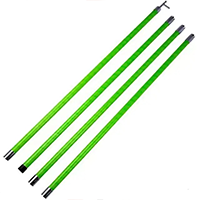
Before you step into the bucket or climb a pole, you must know your equipment inside and out. A modern link stick is not just a pole; it is a sophisticated piece of electrical engineering designed to prevent conductivity. Most professional-grade sticks utilize epoxy resin combined with high-strength fiberglass filaments. This combination ensures the tool remains lightweight yet rigid enough to handle mechanical loads at full extension.
The telescopic design makes the tool incredibly portable. It collapses down for easy storage in truck bins but can reach heights exceeding 10 meters in seconds. Each section is usually foam-filled. This prevents internal moisture buildup, which is a critical safety feature. If water enters the hollow core, the link stick could lose its insulated properties, turning a safety tool into a conductor. Experts always look for the "High Moisture-Proof" rating before deploying a stick in foggy or rainy conditions.
Essential Pre-Use Inspection for High Voltage Safety
Safety starts on the ground. You should never assume a link stick is safe just because it looked fine yesterday. Environmental factors, UV exposure, and mechanical stress can degrade the epoxy resin coating over time. A thorough inspection is the first step in the maintenance guide.
Surface Check: Run a gloved hand along the fiberglass surface. Look for "fiber blooming" or cracks. Any splintering indicates the insulated barrier is compromised.
Glossiness Test: A healthy link stick should have a shiny, smooth finish. This gloss helps shed water. If it looks dull or chalky, it may be absorbing moisture, which is dangerous in high voltage applications.
Locking Mechanism: Test each button and spring lock. In a telescopic model, these must snap firmly into place. If a section slips during overhead line maintenance, it could cause a sudden arc or physical injury.
Cleanliness: Wipe the stick down with a silicone-treated cloth. Dirt, grease, and carbon soot are conductive. Keeping the tool clean ensures it maintains its dielectric strength.
| Feature to Inspect | Warning Signs | Action Required |
| Outer Shell | Cracks, deep scratches, or dullness | Remove from service for testing |
| Inner Foam | Rattling sounds or heavy weight | Potential moisture ingress; replace |
| Metal Fittings | Corrosion or loose rivets | Tighten or replace hardware |
| Locking Buttons | Sticking or weak tension | Clean and lubricate with approved spray |
Step-by-Step Extension and Retraction Procedures
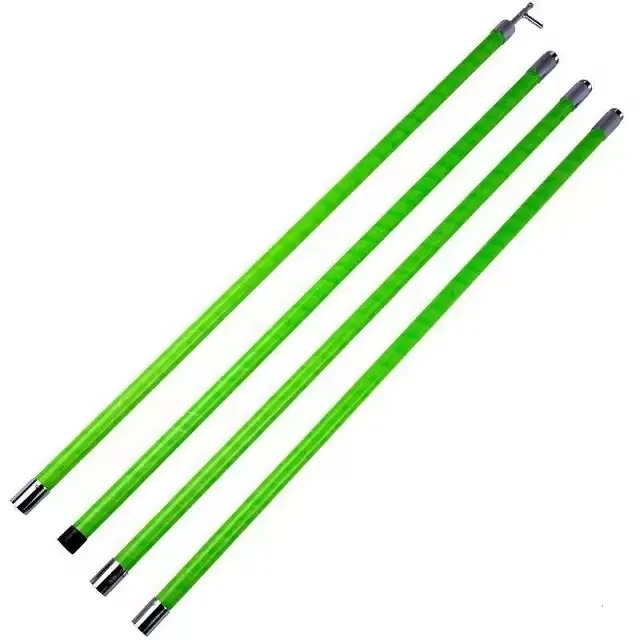
Extending a link stick might seem simple, but doing it correctly prevents wear and tear and ensures stability. For overhead line maintenance, the sequence of extension matters. Most experts recommend extending the stick from the top section down. This keeps the heaviest, thickest sections in your hands for better leverage.
Step 1: Secure the Work Area
Before extending the portable tool, ensure your footing is stable. If you are in a bucket, check your clearance from other phases.
Step 2: Sequential Extension
Pull the top section out until the spring button clicks. Repeat this for each subsequent section. By using the thinnest sections at the top, you reduce the "sway" or "whip" effect. This makes it easier to hook onto a high voltage fuse holder or switch handle.
Step 3: Managing the Load
When the link stick is fully extended, it becomes a long lever. Even a small weight at the tip feels much heavier at the base. Always use two hands and keep the base of the stick close to your body. This center-of-gravity management is crucial for precision work.
Step 4: Controlled Retraction
Reverse the process. Wipe each section as it slides back into the larger tube. This prevents grit from scratching the insulated coating of the inner sections. A clean retraction extends the life of the epoxy resin finish significantly.
Operating in High Moisture-Proof Conditions
Moisture is the enemy of electrical safety. Even an insulated tool can become a hazard if a continuous film of water forms on its surface. This is why a high moisture-proof link stick is standard for utility crews working in unpredictable weather.
Dealing with Humidity and Rain
The fiberglass used in these tools is specifically treated to be hydrophobic. In high-humidity environments, water should bead up and roll off rather than spreading out. If you notice water "wetting out" the surface, the stick's surface tension is failing. In such cases, stop work and apply an approved silicone wipe to restore the water-repellent layer.
The Importance of Epoxy Resin Coatings
The epoxy resin acts as a seal. It fills the microscopic voids in the fiberglass weave. This is vital because even a tiny amount of trapped moisture can heat up and expand when exposed to a high voltage field, leading to internal tracking and eventual tool failure. Professionals choose sticks with thick, high-quality resin coats for long-term reliability in wet climates.
Maintenance Techniques: Using the Link Stick for Switch Operation
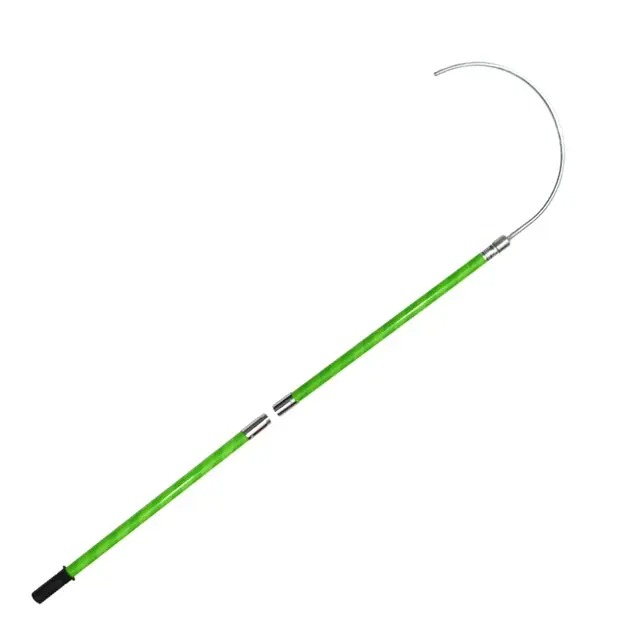
The most common use for a link stick in overhead line maintenance is operating disconnect switches. This requires a "hook" or "eye" attachment at the tip of the insulated pole.
Hooking and Pulling
When you approach a switch, you must be decisive. Approach the pull-ring slowly to avoid bumping other hardware. Once the hook is engaged, apply a steady, firm downward pull. If the switch is stubborn, do not "jerk" the link stick. Sudden movements can cause the fiberglass sections to flex excessively, potentially leading to a loss of control near live conductors.
Closing the Circuit
Closing a switch is often more dangerous than opening one because of the potential for an inrush of current. Use the link stick to push the switch blade into the contacts with a swift, assertive motion. This minimizes the duration of any arcing. The high voltage rating of your stick provides the necessary air-gap safety, but your technique ensures the hardware doesn't sustain damage.
Storage and Transport: Protecting Your Investment
A link stick is a precision instrument, yet it is often treated like a common ladder. Improper storage is the leading cause of damage to fiberglass tools. Because they are portable, they often bounce around in truck beds, which leads to surface abrasions.
Padded Racks: Always store your insulated poles in padded racks or protective PVC tubes. This prevents them from banging against metal tools.
Vertical Storage: If possible, store them vertically in the warehouse. This prevents the "bowing" or permanent bending that can occur if a long link stick is laid across uneven supports for months.
Temperature Control: Extreme heat can soften epoxy resin over many years. Try to keep storage areas out of direct, constant sunlight when the tools are not in use.
Advanced Insights: Mechanical Strength and Load Ratings
Every link stick has a limit. When performing overhead line maintenance, you might need to lift a heavy lead or push a stubborn component. Understanding the mechanical ratings of your fiberglass tool is just as important as knowing its voltage rating.
Longitudinal vs. Side Loading
These tools are incredibly strong when pulled or pushed straight along their length (longitudinal tension/compression). However, they are much more vulnerable to "side loading." If you use a fully extended link stick to pry something sideways, you risk snapping the epoxy resin bond.
Deflection and Accuracy
The longer the stick, the more it will deflect (bend) under weight. High-end link sticks are engineered for "low deflection." This means they stay straighter, giving the operator better "feel" and control. If you are working on a crowded pole with multiple high voltage circuits, a stiff, low-deflection fiberglass pole is a safety necessity, not a luxury.
Conclusion
The telescopic link stick is an indispensable ally in the world of overhead line maintenance. Its blend of fiberglass strength and epoxy resin insulation creates a barrier that protects lives every day. By following a disciplined step-by-step approach—from pre-use inspection to controlled extension and proper storage—utility workers can maximize both safety and tool longevity.
Remember, a high voltage environment leaves no room for error. Always prioritize insulated tools that offer high moisture-proof capabilities and keep them in peak condition. With the right techniques and a high-quality link stick, you can master the complexities of the grid with confidence and precision.
FAQ
Q1: Can I use a link stick in the rain?
Yes, provided it is rated as high moisture-proof and has been recently cleaned and treated with silicone. However, always follow your company’s specific safety protocols regarding live-line work in wet weather.
Q2: How often should a link stick be laboratory tested?
While daily visual inspections are mandatory, most regulations require a professional dielectric test every 12 to 24 months to ensure the insulated properties remain intact.
Q3: Is fiberglass better than wood for link sticks?
Absolutely. Modern fiberglass and epoxy resin sticks are lighter, stronger, and much better at resisting moisture than traditional wood poles. They are also much more portable due to their telescopic nature.
About Us: Our Strength and Expertise
As a leading manufacturer in the electrical safety industry, we operate a world-class factory dedicated to the production of high-performance power equipment. We specialize in crafting premium insulated tools, including the highly sought-after telescopic link stick. Our facility utilizes advanced automated winding technology to ensure that every fiberglass tube meets the highest standards of structural integrity and dielectric strength.
By integrating superior epoxy resin materials, we produce tools that are exceptionally durable and high moisture-proof, specifically designed for the rigors of high voltage maintenance. Our strength lies in our rigorous quality control—every product undergoes strict testing before it leaves our floor. We don't just sell tools; we provide the peace of mind that comes with decades of manufacturing excellence. When you choose our equipment, you are choosing a partner who understands the life-saving importance of every millimeter of insulation.


