Introduction
Ever wondered how electricians safely detect live wires without touching them? A non-contact voltage tester (NCVT) provides a simple yet crucial solution for this. It helps identify voltage presence without direct contact, ensuring safety during electrical work.
In this article, we’ll break down how non-contact voltage testers work, their key benefits, and the potential limitations. You’ll learn how this tool enhances electrical safety and simplifies the detection process.
At JITAI, we offer reliable NCVTs that deliver accuracy and safety. Learn more about our products to find the right tools for your electrical needs.
What is a Non-Contact Voltage Tester?
Definition and Basic Function
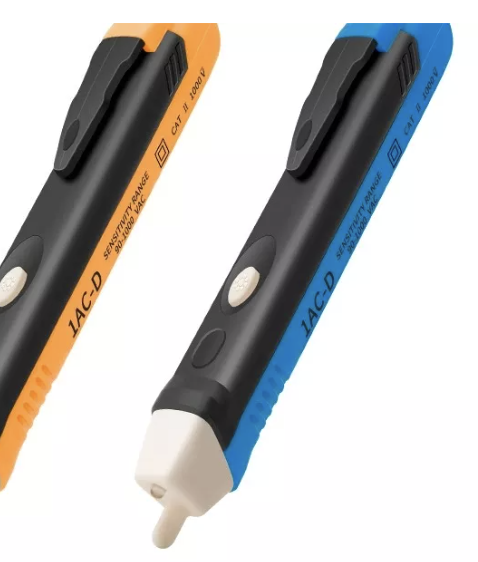
A non-contact voltage tester (also known as a voltage detector or “tick-tracer”) is a handheld device designed to detect the presence of voltage without touching the electrical conductor directly. It typically features a sensor that detects the electric field surrounding an energized conductor. Once the tester comes close to a live wire, it will indicate the presence of voltage through a visual light or audible beep.
Key Components of a Non-Contact Voltage Tester
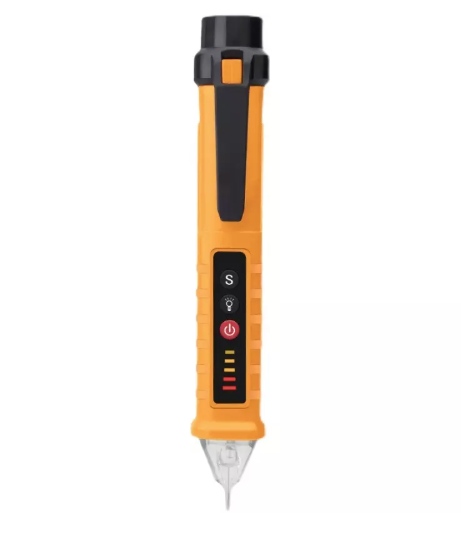
The main components of an NCVT include a probe or sensor, an indicator light, and an alarm system. The sensor detects the electric field created by the presence of voltage. When the tester gets close to an energized conductor, the sensor detects the field and triggers the indicator light or alarm, which alerts the user to the presence of voltage.
The design of these testers is often compact and lightweight, making them easy to carry and use in various environments. The non-contact design eliminates the need for direct interaction with live circuits, reducing the risk of electric shock.
Voltage Tester Type | Applicable Voltage Range | Ideal Use Cases |
Non-contact voltage tester | 50V - 1000V | Residential, commercial, and industrial circuits |
High voltage detector | 220V - 500kV | High-voltage power lines, substations, outdoor electrical grids |
Digital Multimeter (contact) | 0V - 600V | Household appliances, batteries, and general electrical testing |
How Does a Non-Contact Voltage Tester Work?
Capacitive Coupling Principle
Non-contact voltage testers work based on the principle of capacitive coupling. Essentially, this means that the tester uses two capacitors: one is the conductor being tested (such as a live wire), and the other is the sensor or the user themselves. The sensor in the tester forms one plate of a capacitor, and the air (or insulation) between the wire and the tester acts as an insulator (dielectric).
When voltage is present in the conductor, it creates an electric field. This electric field induces a potential difference between the sensor and the ground, which the tester detects. This induced voltage is what causes the indicator light to activate or the alarm to sound, signaling that voltage is present.

Step-by-Step Working Mechanism
1. The tester is turned on and placed near an electrical conductor (such as a wire or outlet).
2. The electric field from the energized conductor creates a capacitive effect between the wire and the tester’s sensor.
3. This capacitance is detected by the tester, which then lights up and/or produces a sound to indicate the presence of voltage.
4. The tester works even without physical contact with the conductor, ensuring safety during testing.
This mechanism ensures that electricians and DIY enthusiasts can quickly identify live wires, which is especially useful in crowded electrical boxes or situations where the risk of accidental contact is high.
Step | Description |
1. Activate the Tester | Turn on the voltage tester and prepare to detect voltage |
2. Approach the Conductor | Hold the tester near a live conductor or electrical device |
3. Electric Field Detection | The tester’s sensor detects the electric field and begins voltage measurement |
4. Indicator/Alarm Alert | If voltage is present, the tester’s light will turn on or sound an alarm |
5. Move Away from the Conductor | Finish the test and move the tester away from the conductor |
Benefits of Using a Non-Contact Voltage Tester
Safety Advantages
One of the most important benefits of using a non-contact voltage tester is the increased safety it provides. Since there is no need for the tester to physically touch the wires or circuit components, the risk of electrical shock is minimized. Non-contact voltage testers help identify potentially dangerous situations from a safe distance, making them an essential tool for electricians.
In addition to this, many of these devices feature high-quality insulation and anti-interference characteristics, which makes them reliable in various environments, including high-voltage testing conditions.For additional safety products, check out our full range of electrical testing tools.
Ease of Use
Non-contact voltage testers are simple to use, making them ideal for both professionals and DIY enthusiasts. With features like a clear visual indicator or an audible alarm, they provide immediate feedback when voltage is detected. Their user-friendly design ensures that anyone, regardless of experience, can perform quick voltage checks safely.
Versatility and Portability
These testers are designed to be portable and versatile, working in a wide range of environments. Whether you're working indoors or outdoors, in a substation, or on overhead power lines, non-contact voltage testers can detect voltage in circuits ranging from 220V to 500kV. Their compact size allows for easy carrying, making them ideal for electrical inspections or repairs in various settings.
Advantage | Explanation |
Improved Safety | No need to physically touch live conductors, reducing the risk of electric shock |
Ease of Use | Simple design with visual light and audible alarms, making it user-friendly |
Versatility and Portability | Portable and works across a wide voltage range (50V - 500kV), suitable for various environments |
Limitations and Misconceptions of Non-Contact Voltage Testers
False Negatives and Misinterpretation
While non-contact voltage testers are highly useful, they are not always foolproof. A common misconception is that if a tester does not light up or beep, it guarantees that the circuit is de-energized. However, this could be due to several factors, including thick insulation, the tester's sensitivity, or distance from the source. As a result, it's important to never assume a circuit is safe solely based on the absence of an indication.
Additionally, environmental factors, such as electromagnetic interference from nearby equipment, can also affect the tester's performance, leading to incorrect readings.
Not Suitable for All Voltage Types
Non-contact voltage testers are designed to detect AC voltage but may not work effectively with DC voltage. Furthermore, some testers may struggle to detect voltage in shielded or armored cables, as the electric field may not penetrate dense materials effectively. It's important to understand the limitations of these testers and complement them with other tools when necessary.
How to Properly Use a Non-Contact Voltage Tester
Testing for Voltage
Using a non-contact voltage tester is straightforward:
1. Turn the tester on and ensure that it’s functioning correctly.
2. Hold the tester near the wire or outlet you wish to test.
3. If voltage is present, the tester will alert you with a visual light or sound.
Always test the NCVT on a known live source before use to verify that it is working properly.
Proper Grounding for Accurate Detection
For accurate readings, ensure that you are grounded while using the tester. If you're isolated from the ground (such as when standing on a ladder), the tester may not function properly. Standing on a solid surface and ensuring that the tester is close enough to the conductor will enhance its ability to detect voltage.
When Should You Use a Non-Contact Voltage Tester?
Ideal Scenarios for NCVT Use
Non-contact voltage testers (NCVTs) are best used for:
● Quick checks to determine if a wire or outlet is energized: NCVTs allow for fast voltage detection, helping you confirm if an outlet or wire is live without the need to touch the conductor.
● Identifying live wires in complex or crowded electrical boxes: In crowded electrical boxes, NCVTs are invaluable for quickly spotting which wires are live, reducing the risk of accidental contact.
● Checking for voltage in hard-to-reach or hazardous areas: In areas where it’s difficult or dangerous to touch wires directly, such as overhead lines or tight spaces, NCVTs provide a safe and efficient way to detect voltage.
Complementary Tools
While NCVTs are excellent for identifying the presence of voltage, they should not be your only tool for electrical testing. A multimeter should be used for more detailed measurements, such as voltage levels, continuity, and resistance. Multimeters provide accurate readings, which NCVTs cannot offer, especially when you need to troubleshoot a circuit or check the exact voltage. For comprehensive electrical work, it's crucial to use both tools together to ensure safety and accuracy.
Safety Protocols When Using Non-Contact Voltage Testers
Pre-Use Safety Checks
Before using any voltage tester, always perform a "live-dead-live" test to ensure that the tester is functioning correctly. This involves testing a known live circuit, followed by a dead one, and repeating the process to ensure the tester is reliable. This simple check helps confirm that the tester is providing accurate readings and is fully operational, especially before working with high-voltage systems.
Additional Precautions
Ensure that the tester is in good condition before use. Check for fully charged batteries and ensure there is no visible damage, such as cracks or wear on the tester’s casing or sensor. This will help maintain the accuracy of the readings and reduce the risk of malfunction. If any damage is found, refrain from using the tester and replace it as needed to ensure safety.
Conclusion
Non-contact voltage testers are essential for detecting voltage without direct contact, ensuring safety and ease of use. While they are versatile and valuable for both professionals and DIYers, it’s important to understand their limitations. Using them alongside tools like multimeters ensures accurate and safe electrical work.
JITAI offers reliable non-contact voltage testers that enhance safety and efficiency, making them a valuable addition to your toolkit.
FAQ
Q: How does a non-contact voltage tester work?
A: A non-contact voltage tester detects voltage through capacitive coupling, sensing the electric field around a conductor. It alerts you to the presence of voltage using a visual light or sound, without touching the wire.
Q: Is a non-contact voltage tester safe to use?
A: Yes, it’s safe because it doesn’t require direct contact with live wires, reducing the risk of electric shock during quick voltage checks.
Q: What is the range of a non-contact voltage tester?
A: Non-contact voltage testers typically detect voltages between 50V and 1000V, depending on the tester's design and features.
Q: Can a non-contact voltage tester detect DC voltage?
A: Most non-contact voltage testers are designed for AC voltage detection and do not work well with DC voltage, which requires a different measurement tool like a multimeter.


