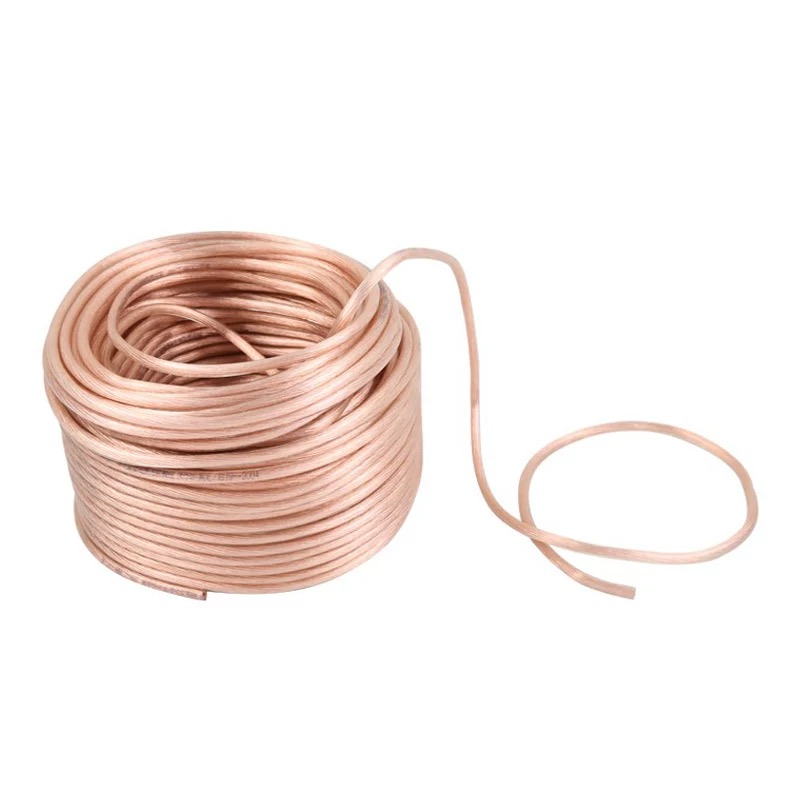
You might get confused when people talk about grounding, earthing, and bonding. Many people use these words like they mean the same thing. It is important to know about earthing and grounding. They help keep you safe and protect equipment. If you do not understand these words, you could be at risk. You might get an electric shock, start a fire, or have fault currents. The table below shows some dangers and why good ground and earthing are important:
| Hazard Type | Description | Prevention Measures |
| Electrical Shock | Happens when grounding is not done right or equipment is broken. | Make sure you use good grounding and bonding methods. |
| Fire Risks | Happen when circuits get too hot from too much current. | Follow National Electrical Code rules for wiring. |
| Fault Current Issues | Bad grounding can cause dangerous fault currents. | Use bonding jumpers to connect grounding points well. |
You will see why using earthing equipment is important and learn about different ways to do earthing. Good ground connections help keep people and equipment safe. Earthing also helps you meet earth resistance rules. Some people also talk about health benefits of grounding, so it is important to pay attention to these systems.
Key Takeaways
Grounding and earthing link electrical systems to the ground. This helps stop electric shocks. It also keeps equipment safe.
Bonding joins metal parts together. This makes sure they have the same voltage. It lowers the chance of electric shock.
You should check your grounding and earthing systems often. This keeps you safe. It also follows electrical rules.
There are different ways to do earthing. Some ways are plate, rod, and strip earthing. Each way works best in certain places.
Knowing how grounding, earthing, and bonding are different is very important. It helps keep homes and workplaces safe.
Key Differences
Definitions
It is important to know what grounding, earthing, and bonding mean. These words come from electrical rules and standards. In the United States, people say grounding. In the United Kingdom, people say earthing. Both words mean connecting electrical parts to the earth. This keeps you safe from electric shock.
Bonding is not the same as grounding or earthing. Bonding means joining two or more metal parts together. This makes sure they have the same voltage. If you touch two bonded parts, you will not get shocked. There is no voltage difference between them.
Here is a short list of what each word means:
| Term | Definition |
| Grounding | Connecting a part of an electrical system to the earth or to a conductive body that extends the ground connection. Used mostly in the USA. |
| Earthing | Connecting a part of an electrical system to the earth. Used mostly in the UK and IEC standards. |
| Bonding | Connecting metal parts together to ensure electrical continuity and equal potential. |
You will see types of earthing when you look at ways to connect equipment to the earth. These types are plate earthing, rod earthing, and strip earthing. Each type has its own way and use.
Note: Grounding and earthing usually mean the same thing. The word you use depends on where you live.
Why It Matters
You need to know the differences to stay safe. If you do not use these systems right, you can get hurt. Bad grounding or earthing can cause electric shock. Poor bonding lets voltage build up between metal parts. This can start fires or break your equipment.
You can get shocked if you do not bond or ground parts right.
Fires can happen if wires or equipment get too hot.
Equipment can break if you do not use the right earthing or bonding.
Using the right earthing keeps you and your devices safe. You also follow safety rules from electrical codes. These rules help stop accidents and keep your home or work safe.
Comparison Table
This table shows the main differences between grounding, earthing, and bonding:
| Characteristics | Grounding | Earthing | Bonding |
| Definition | Connects current-carrying parts to the earth electrode. | Connects metallic parts of appliances to the earth. | Connects two electrical systems or metal parts to equalize potential. |
| Main Purpose | Provides a return path for current during faults. | Discharges unwanted energy to protect people from shock. | Ensures all metal parts are at the same voltage to prevent shock. |
| Applications | Used in power systems and equipment to direct fault current safely. | Used in machines and appliances to prevent electric shock. | Used to connect pipes, enclosures, and other metal parts together. |
| Regional Term | Common in the USA and Canada. | Common in the UK and IEC standards. | Used worldwide. |
| Example | Connecting a panel board to a ground rod. | Connecting a washing machine frame to the earth. | Connecting water pipes and electrical boxes together. |
The types of earthing you use depend on local rules and your equipment. Always check which method is best for your needs.
Grounding
Purpose
Every electrical system needs grounding to keep people safe. Grounding connects your system or equipment to the earth. This link controls electricity and stops electric shock. The National Electrical Code says grounding connects systems and equipment to the earth.
Grounding gives fault currents a safe way to reach the earth.
It helps prevent electric shocks and fires.
It keeps your devices safe from damage during faults.
Grounding makes sure stray electricity goes into the ground. It does not pass through you or your equipment. This step can save lives and stop expensive damage.
Tip: Always check your grounding system often. If the ground is broken or loose, you could be in danger.
How It Works
You may wonder how grounding works at home or work. Grounding uses special parts to make a safe path for electricity. Here are the main pieces in a grounding system:
| Component | Description |
| Grounding electrode | A metal rod or plate that touches the earth. It lets fault current flow safely into the ground. |
| Grounding electrode conductor (GEC) | A wire that links the grounding electrode to your system. It is usually copper or aluminum. |
| Grounding conductor | This wire connects metal parts of your equipment to the electrode or GEC. |
| Ground bus | A metal bar in your panel where all grounding wires meet. It makes sure everything has a solid path to the earth. |
The ground electrode has very low resistance. This lets electricity move quickly and safely into the earth. The earth absorbs the electricity and spreads it out.
During normal use, the Equipment Grounding Conductor (EGC) does not carry current. If a fault happens, the EGC carries the fault current. This current travels on a low-resistance path to the ground. This path lets circuit breakers work fast and shut off power. You stay safe, and your equipment does not get damaged.
Grounding gives fault current a low-resistance path back to the power source.
This setup helps protective devices work quickly during a ground fault.
A good grounding system stops electric shock and fire.
If you want to know how grounding works, remember this. It gives electricity a safe way to leave your system. This safety feature is why grounding matters in every building.
Earthing Equipment
What Is Earthing Equipment
Earthing equipment connects electrical systems to the ground safely. This equipment gives electricity a direct path into the earth during faults. There are different types of earthing equipment in use today. Each type uses a special electrode for different soil and setups.
Plate earthing uses a metal plate buried in the ground. You see this in many homes.
Pipe earthing uses a metal pipe as the electrode. This works well where the soil resists electricity.
Rod earthing uses a metal rod pushed into the ground. This is good for places with soil that lets electricity flow easily.
Strip earthing uses a metal strip buried flat in the ground. Factories often use this method.
Earthing through water pipe uses water pipes as the electrode. This is common in older buildings.
Earthing with earth electrode uses special electrodes for low resistance.
Chemical earthing uses chemicals to help electricity move better in tough soil.
Each electrode type helps make a strong connection to the earth. This connection is very important for safety and for keeping systems working well.
Equipment Earthing In Practice
You need equipment earthing in every electrical setup. It keeps you and your devices safe from electric shock and harm. When you connect metal parts to an electrode, you make a safe path for fault current. This path lets dangerous electricity go into the ground, not through you.
The main goal of equipment earthing is to stop electric shock, protect equipment, and keep people safe. Good earthing lowers the risk of shock by giving fault current a safe way to the ground.
You see equipment earthing in homes and factories, but the ways are different. Here is a table that shows the main differences:
| Aspect | Residential Environment | Industrial Environment |
| Complexity | Usually simple, following basic safety rules. | More complex, needing strict safety steps. |
| Standards | Follows local building codes and rules. | Must meet industry standards and special rules. |
| Procedures | Basic earthing methods are often enough. | Needs careful planning and special steps. |
In homes, you often use simple rod or plate electrodes. These methods meet basic safety needs. In factories, you need more advanced earthing equipment. You might use strip earthing or chemical earthing for bigger fault currents and strict safety rules.
You should follow these best practices for equipment earthing:
Check grounding equipment often to keep it clean and working.
Fix or replace any broken or missing parts.
Test your grounding equipment at least once a year.
Use single-point grounding to lower voltage differences.
If you use bracket grounding, have an engineer check for dangers.
These steps help keep your earthing equipment safe and reliable.
Safety Benefits
Equipment earthing gives you many safety benefits. It keeps you safe from electric shock and protects your devices from harm. Here is a table that explains the main functions:
| Function | Description |
| Voltage Stabilization | Keeps the system’s voltage safe compared to the Earth, stopping dangerous voltage build-up. |
| Protection from Surges | Sends extra electric current away during faults, protecting against surges and lightning. |
| Safeguarding Electrical Systems | Keeps voltage levels safe, lowering the risk of shocks and damage. |
You also get extra protection for sensitive devices. Equipment earthing helps stop damage from surges and static electricity. In places with sensitive electronics, you must ground all parts that can touch components. You can use special materials to let charges leak away slowly. This stops sudden discharges that could hurt your devices.
Ground all parts that might touch sensitive components.
Use special materials for slow charge leaks.
Stop sudden discharges when handling charged items.
Equipment earthing is also important for high-voltage safety. It makes sure any fault current goes safely into the earth. This keeps voltage levels steady and stops dangerous build-up.
Remember, a good earthing system in a factory is more complex than in a home. It must fit the building and the electrical systems inside. In both homes and factories, equipment earthing is key for safety and reliability. You protect yourself, others, and your devices by using the right earthing equipment and taking care of it.
Earthing System
System Overview
An earthing system helps keep electrical setups safe. It connects parts of your electrical network to the earth. In big buildings, every earthing system has three main parts.
Earth Electrode: This is a rod, plate, or mesh in the ground. It touches the earth and gives a strong point for the grounding system.
Earthing Conductors: These wires link your equipment and structures to the earth electrode. Copper or aluminum wires are best because they carry current well.
Earth Busbar: This metal bar is in your electrical panel. It connects all grounding points to one earthing system.
You need all these parts for a safe and working grounding system.
How Earthing Systems Work
The earthing system gives fault currents a safe path to the ground. When there are no problems, the earth wire does nothing. If a fault happens, the earthing system sends the current into the ground. The low resistance lets a big current move fast. This makes circuit breakers or RCDs turn off the power. You stay safe from shock and fire.
Earthing stops dangerous voltage from building up on metal.
The grounding system keeps you and your equipment safe during faults.
System earthing helps the electrical network stay steady.
A good earthing system is very important for safety and for protecting equipment.
Applications
Earthing systems are used in many places. Each type is made for a special need. Here is a table that shows where you find each kind:
| Earthing System | Common Applications | Key Features |
| TT | Rural areas | Independent PE, good shock protection |
| IT | Hospitals, industrial plants | Isolated neutral, reduced fault currents |
| TN-C | General use | Combined PEN conductor, simplified wiring |
| TN-S | Modern commercial buildings, IT networks | Separate neutral and earth, enhanced safety and reduced interference |
You pick the right earthing system for your building. In low-voltage networks, the earthing system controls voltage and keeps things safe. In high-voltage networks, the grounding system handles bigger fault currents and keeps people safe. System earthing also protects sensitive devices in places like hospitals and data centers.
Tip: Always check your earthing and grounding systems to make sure they follow safety rules.
Bonding
Purpose
Bonding is needed in every electrical system for safety. It connects all metal parts that do not carry current. This keeps them at the same electrical potential. When metal parts are bonded, dangerous voltage differences do not build up. Pipes, enclosures, and other metal objects stay safe to touch. If you touch two bonded parts, you will not get shocked. There is no voltage difference between them.
Bonding helps protect people from electric shock and fire. The National Electrical Code says bonding links metal parts to the system ground. This lowers the risk of electrical faults. Equipotential bonding brings all conductive parts to almost the same voltage. This protects you from dangerous touch voltages. It also keeps your devices safe from surges.
The table below shows the main goals of bonding:
| Objective | Description |
| Stabilize system voltage | Keeps voltage steady during normal use. |
| Provide low impedance path | Lets fault current flow safely to ground. |
| Ensure protective devices work | Helps circuit breakers and fuses trip quickly. |
| Limit voltage rise | Reduces voltage spikes from lightning or other external events. |
How Bonding Works
Bonding joins all metal parts together with connectors or wires. There are different ways to make these connections. Some common methods are:
Soldering: Joins metals with a filler at low heat. It is good for small parts and circuit boards.
Welding: Fuses metals at high heat. This makes strong, permanent bonds.
Conductive adhesives: Use glue with metal particles. These are good for joining different materials.
Mechanical fasteners: Use screws, bolts, or clamps. These are easy to install and remove.
When you bond metal parts, you make a safe path for fault current. This path helps breakers work fast. Bonding works with grounding and earthing to keep voltage steady. It also helps prevent shocks. In hospitals, bonding and grounding protect medical equipment. They also keep patients safe.
Tip: Always check that all metal parts are bonded. If you miss a bond, dangerous voltage differences can happen.
Bonding, grounding, and earthing work together as a team. Bonding keeps all metal parts at the same voltage. Grounding and earthing give fault current a safe way to the earth. Using all three gives the best protection for people and equipment.
Working Together
Integration In Electrical Safety
You need grounding, earthing, and bonding for safety. Each one does something special, but they work together. They help protect you and your things from danger. When you build a big electrical system, you should use good safety steps. This helps everything work right and keeps people safe.
Here is a table with some good ways to use these systems:
| Best Practice | Description |
| Ground rings | Put ground rings around buildings for strong grounding. |
| Ground triangles | Use ground triangles for smaller electrical jobs. |
| Exothermic welds | Make buried connections with exothermic welds for strong bonds. |
| Ground rods | Add ground rods for extra support in grounding. |
| Testing wells | Install testing wells to check ground resistance easily. |
You should also follow the National Electrical Code rules. NEC Article 250-50 says you must bond all grounding electrodes at each building. This makes a full grounding electrode system. NEC Article 250 gives more rules about connecting wires and bonding jumpers. These steps help you build a safe and strong electrical system.
Tip: Always test your grounding system after you install it. Check it often to find problems before they get bad.
Common Misconceptions
Many people believe wrong things about grounding, earthing, and bonding. These mistakes can make your system unsafe. Here are some common myths:
Grounding and bonding are the same thing. They are not. Grounding gives a safe path for current. Bonding connects metal parts to stop voltage differences.
More ground rods always mean better safety. That is not true. Where you put them and the soil type also matter.
Grounding is only for outdoor systems. You need grounding for both inside and outside systems.
All metals are good for grounding. Copper is best because it carries electricity well and does not rust.
Grounding removes all risk of electric shock. It lowers the risk but does not take it away. You still need other safety steps.
Bonding is only for metal buildings. All buildings need bonding to be safe.
Doing grounding and bonding yourself is enough. It is safer to have a professional do it and follow the rules.
Note: The NEC rules are not too strict. They are made from years of safety research to keep you safe.
If you know these facts, you can stop mistakes and keep your electrical system safe.
Now you understand how grounding, earthing, and bonding are different. Each one helps keep people and equipment safe. Using the right earthing equipment stops electric shock. It also protects your appliances and helps prevent fires. Extra current goes safely into the ground. If you want to know more, you can look at these courses:
| Course Title | Description |
| Electrical Grounding, Earthing & Bonding: Half-Day Online Courses | Teaches important ideas and how to take care of grounding, earthing, and bonding. |
| Electrical Grounding and Bonding per the National Electrical Code | Explains NEC Article 250 and gives real-life ways to do grounding and bonding. |
FAQ
What happens if you skip grounding or earthing in your home?
You risk electric shock and fire. Fault currents may travel through your body or damage devices. Grounding and earthing protect you and your equipment. Always check your system for safety.
Can you use any metal for grounding?
You should use copper or aluminum. These metals conduct electricity well and resist corrosion. Avoid using iron or steel because they rust and lose effectiveness over time.
How often should you test your earthing system?
Test your earthing system at least once a year. Regular checks help you find loose connections or corrosion. You keep your system safe and working by testing often.
Is bonding needed in every building?
Yes, you need bonding in all buildings. Bonding keeps metal parts at the same voltage. You lower the risk of electric shock and protect people inside.


