A lever hoist is a manual lifting device used for lifting, pulling, or positioning heavy loads. It is known for its efficiency, portability, and ease of use. This guide will cover what a lever hoist is, how it works, its applications, and how to select the right one for your needs.
What Is a Lever Hoist?
A lever hoist (also known as a lever block or come-along) is a mechanical device that uses a lever handle to engage a ratchet mechanism, allowing the operator to lift, pull, or move heavy objects. Lever hoists are compact, portable, and versatile, making them ideal for applications where space is limited or where portability is important.
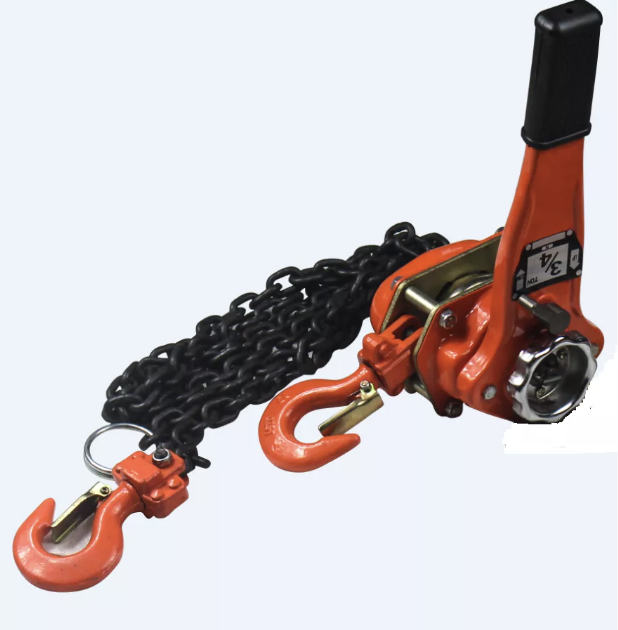
Key Components of a Lever Hoist
Lever Handle: The primary control used by the operator to engage the ratchet mechanism.
Ratchet and Pawl Mechanism: The internal mechanism that locks the load chain in place to prevent backsliding and allows the load to be moved in one direction.
Load Chain or Rope: The chain or rope through which lifting force is applied to the load.
Hooks: The components used to secure the hoist to a fixed point and the load.
How Does a Lever Hoist Work?
The operation of a lever hoist is simple but effective. Here's how it works:
Engaging the Ratchet: The operator moves the lever handle to engage the ratchet mechanism. This locks the load chain in place, allowing it to move in one direction.
Lifting or Pulling the Load: By continuing to operate the lever handle, the load chain is pulled through the hoist, lifting or pulling the load in the desired direction.
Releasing the Load: To lower the load, the operator shifts the lever to disengage the ratchet, allowing the load chain to move freely and the load to be lowered.
This mechanism allows precise control over heavy loads, making lever hoists ideal for tasks requiring accuracy and stability.
Applications of Lever Hoists
Lever hoists are widely used in various industries due to their versatility and efficiency. Some common applications include:
Construction Sites: Lever hoists are used to lift and position heavy materials such as steel beams and concrete panels.
Manufacturing Plants: Lever hoists help move machinery and equipment during assembly or maintenance.
Warehouses: Lever hoists are used to secure loads and adjust storage configurations.
Automotive Repair Shops: In automotive shops, lever hoists are used to lift engines and other heavy components for servicing.
The compact nature of lever hoists makes them ideal for use in confined spaces where other lifting equipment may not be practical.
Lever Hoist vs. Chain Block
While both lever hoists and chain blocks serve similar functions, there are key differences:
| Feature | Lever Hoist | Chain Block |
| Operation | Manual lever control | Manual chain pull |
| Portability | Compact and lightweight | Generally bulkier |
| Load Capacity | Varies; typically up to several tons | Higher capacity, suitable for heavier loads |
| Ideal Use | Precision lifting in confined spaces | Heavy-duty lifting applications |
Choosing between the two depends on the specific requirements of the task, including load weight, available space, and the level of control needed.
Safety Considerations
When using a lever hoist, safety is paramount. Here are some safety guidelines to follow:
Inspect Before Use: Always check the hoist for signs of wear or damage before use.
Proper Setup: Ensure that the hoist is securely attached to a stable, fixed point.
Load Limits: Never exceed the hoist's rated load capacity.
Operator Training: Ensure that all operators are trained in the proper use of the hoist.
By following these safety measures, you can prevent accidents and ensure the hoist operates efficiently.
Choosing the Right Lever Hoist
Selecting the right lever hoist involves several factors. Here’s what to consider:
Load Capacity
The hoist's capacity should exceed the maximum weight of the load to be lifted. Check the specifications for the hoist's rated load capacity and choose a model that can handle the weight safely.
Lift Height
Ensure that the hoist’s chain length meets your lifting requirements. If you need to lift heavy loads over a long distance, choose a hoist with a longer chain or one that offers extensions.
Environment
Consider the operating environment. If the hoist will be exposed to harsh conditions such as extreme temperatures or corrosive materials, choose a hoist made from durable, corrosion-resistant materials.
Portability
If you need to move the hoist frequently, look for a lightweight and compact model. Lever hoists come in a variety of sizes, so choose one that meets your portability needs.
Lever Hoist Maintenance Tips
Proper maintenance is essential for ensuring the long-term performance of your lever hoist. Here are some maintenance tips:
Regular Cleaning: Clean the hoist regularly to remove dirt, grease, and debris.
Lubrication: Apply appropriate lubricants to moving parts to reduce wear and tear.
Storage: Store the hoist in a dry, cool place to prevent corrosion and damage.
Periodic Inspections: Conduct regular inspections to check for signs of wear or malfunction.
Regular maintenance will help extend the lifespan of the hoist and ensure its reliability when you need it most.
FAQs
What is the difference between a lever hoist and a chain block?
A lever hoist is typically more portable and suitable for precision lifting in confined spaces, while a chain block is designed for heavier-duty lifting applications and is usually larger.
Can a lever hoist be used for lifting loads horizontally?
Yes, a lever hoist can be used for horizontal pulling in addition to vertical lifting, making it a versatile tool for various applications.
How often should I service my lever hoist?
The frequency of service depends on how often the hoist is used. For heavy-duty use, it’s recommended to service it regularly to ensure it remains in good working condition.
Can a lever hoist be used upside down?
Many lever hoists are designed to be used in multiple positions, including upside down, as long as the hoist is securely attached and the load is within the hoist’s capacity.
Conclusion
Lever hoists are versatile, efficient, and essential tools for lifting heavy loads in various industries. By understanding how they work, the applications they serve, and the factors to consider when choosing the right hoist, you can make an informed decision for your lifting needs. Regular maintenance and adherence to safety guidelines ensure that your hoist will serve you reliably for years to come.
For high-quality and reliable lever hoists, contact Huahe today. We offer a wide range of hoists to meet your specific requirements, ensuring you get the right tool for the job.


