Understanding electrical wiring can feel like learning a new language, but one of the most critical phrases to know is the color of the earth wire. This isn’t just trivia for electricians; it’s vital safety information for anyone who owns or works in a building. The earth wire, also known as a ground wire, is your primary defense against electric shock. Its main job is to provide a safe path for stray electrical current to travel into the ground, away from you and your appliances.
If a fault occurs, like a live wire touching the metal casing of your microwave, the earth wire channels that dangerous current away, preventing the casing from becoming live. This action typically trips a circuit breaker or blows a fuse, cutting off the power and signaling that there’s a problem. Correctly identifying this wire is essential during any electrical work, from installing a new light fixture to major renovations. Mistaking it for a live or neutral wire can lead to severe electric shock, appliance damage, or even a fire.
This guide will explain everything you need to know about earth wire color identification. We will cover the modern international standards, how they differ from older systems, and why these colors vary from country to country.
What Color Is the Earth Wire?
In most parts of the world today, the earth wire is identified by a distinct green and yellow stripe. This color combination is mandated by the International Electrotechnical Commission (IEC), the body that sets electrical standards for over 85 countries, including the UK and the entire European Union.
The choice of green and yellow was deliberate. It was designed to be instantly recognizable and difficult to confuse with any other wire, especially for individuals with color blindness. Before this standard was adopted, the earth wire was often solid green. However, this could be confused with other colors under poor lighting conditions. The bi-color green and yellow combination provides a unique visual signature that stands out against the solid colors used for live (brown) and neutral (blue) wires.
This standardization is crucial for safety. It ensures that no matter where an electrician is trained, they can immediately identify the protective ground wire in any modern installation that follows IEC rules.
Why Wiring Colors Changed Over Time
If you live in an older home, the wiring in your walls might not match the modern green-and-yellow standard. Electrical codes have evolved significantly over the decades to improve safety, leading to changes in the standard color systems. Understanding these changes is crucial for anyone working on older electrical systems.
Old vs. New Wiring Color Codes
Before the current standards were widely adopted, wiring colors were different. For instance, in the UK and other regions following British standards, old-style wiring used:
Live: Red
Neutral: Black
Earth: Solid Green
In contrast, modern wiring under the IEC standard uses:
The primary risk comes from homes that have a mix of old and new wiring, which can happen during extensions or partial rewiring projects. An electrician might encounter red and brown live wires in the same system. Because black was previously used for neutral but is now used for a live wire in three-phase systems, the potential for dangerous confusion is high.
To mitigate this risk, regulations require that a warning sign be placed on the consumer unit or fuse board wherever mixed wiring is present. This alerts anyone working on the system that two different color codes are in use. Electricians must always test and re-identify wires before starting work to confirm their function, rather than relying on color alone.
The Function of the Earth Wire Explained
While its color is important for identification, the function of the earth wire is what makes it a non-negotiable part of modern electrical systems. It is a protective measure that literally connects your appliances to the earth.
What the Earth Wire Actually Does
Think of the earth wire as an emergency exit for electricity. It connects the metal casing of appliances—like your toaster, washing machine, or computer—directly to a grounding rod or plate buried in the earth outside your home.
Under normal conditions, this wire does nothing; no current flows through it. However, if a fault occurs where a live wire inside the appliance breaks or becomes loose and touches the metal casing, the situation becomes dangerous. Without an earth wire, the entire metal surface would become energized at full voltage. Anyone who touched it would receive a severe electric shock as the current passed through their body to the ground.
With a functioning earth wire, this stray current has a low-resistance path to follow. It immediately flows from the casing, through the earth wire, and safely into the ground. This sudden surge of current is very large, causing the circuit breaker to trip or the fuse to blow almost instantly. This disconnects the power, making the appliance safe again.
Why Earth Wire Color Must Be Unique
The distinct green-and-yellow color is a critical safety feature. Electrical systems rely on a clear distinction between live, neutral, and earth wires:
Live wires carry the high-voltage current.
Neutral wires complete the circuit, carrying current back to the source.
Earth wires are purely for safety and carry no current in normal operation.
If the earth wire were, for example, a shade of blue, it could easily be mistaken for the neutral wire. Confusing these two could render the safety mechanism useless or create other dangerous faults in the circuit. The green-and-yellow combination was chosen because it has no overlap with the brown, black, grey (live), or blue (neutral) colors, ensuring it is always set apart as the protective conductor.
Earth Wire Color Codes by Country (Global Comparison)
While the IEC has standardized colors for many countries, variations still exist worldwide. Here’s a guide to the earth wire colors used in several major regions.
| Country / Region | Earth Wire Color | Standard / Notes |
| UK & EU | Green & Yellow (striped) | IEC 60445 standard; applies to single-phase and three-phase systems |
| United States | Green / Green-Yellow / Bare Copper | Follows NEC; bare copper commonly used in residential grounding |
| China | Green & Yellow (striped) | Based on IEC color conventions |
| Australia & New Zealand | Green & Yellow (striped) | AS/NZS 3000 wiring rules |
| India | Green & Yellow (striped) | IS 11353; aligned with IEC |
| Japan | Solid Green | Japan uses solid green for protective earth |
UK & EU (IEC Standard)
As leaders in adopting IEC standards, the United Kingdom and all European Union members use green and yellow stripes for the earth wire. This applies to all new single-phase and three-phase installations.
United States
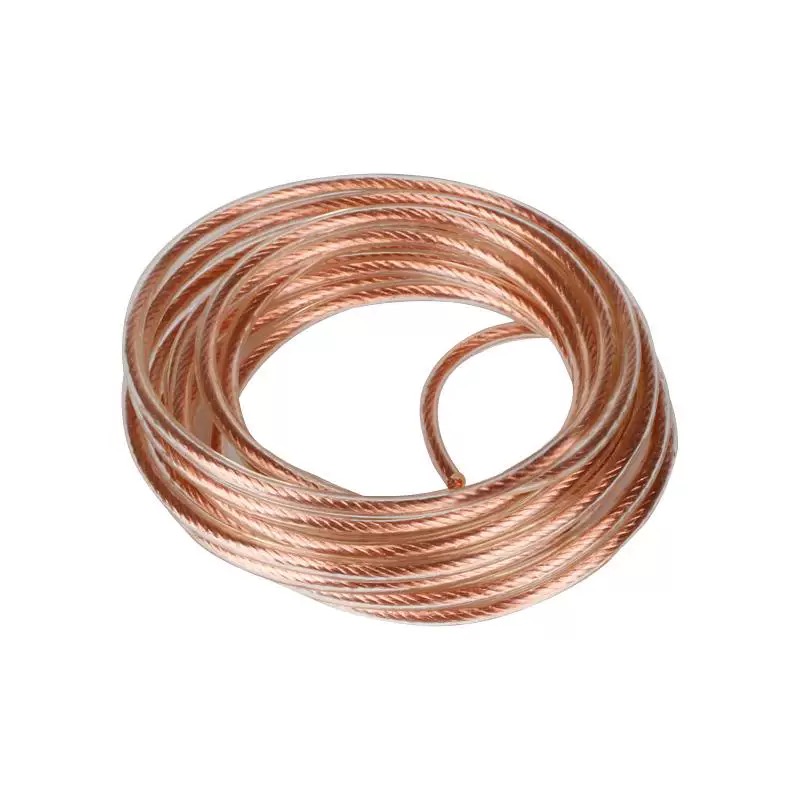
The United States follows the National Electrical Code (NEC). Here, the ground wire can be solid green, green with a yellow stripe, or even bare, uninsulated copper. The use of bare copper is common in residential wiring for grounding outlets and fixtures.
China
China has adopted standards similar to the IEC for AC power. The earth wire is identified by green and yellow stripes.
Australia & New Zealand
Like Europe, Australia and New Zealand also follow the green and yellow stripe standard for the protective earth conductor in their wiring regulations.
India
India’s standards (IS 11353) align with the IEC, specifying a green and yellow striped wire for the earth connection.
Japan
Japan uses a solid green wire for its earth connections.
Why Global Differences Exist
The differences in wiring colors are rooted in historical legacy and the independent development of national electrical codes. The United States, with its long-established NEC, has maintained its own color system, while the IEC unified standards across Europe and much of the rest of the world. As global trade and manufacturing grew, many countries adopted IEC standards for harmonization, but regional codes remain prevalent.
What If Your Earth Wire Is Not Green and Yellow?
In older buildings or certain countries, you may encounter an earth wire that isn’t green and yellow. Knowing how to proceed is essential for safety.
Identifying Wires in Old Installations
If you find a solid green wire, particularly in older installations or in countries like the US and Japan, it is most likely the earth wire. In very old pre-1960s wiring, color codes were less standardized, and you should not rely on color at all.
What to Do When Wires Have No Color
Over time, wires can become faded from heat, covered in dirt, or damaged, making their colors impossible to identify. In these cases, do not guess. The only safe way to identify the wire is to have a qualified electrician test it. They use tools like a continuity tester or a multimeter to verify which wire is which by testing its connection to the ground and other parts of the circuit.
Sleeving and Re-Labelling Wires
When an electrician works on an older system with outdated colors, modern standards require them to re-label the wires. This is done by adding correctly colored sleeves to the ends of the wires at connection points like outlets, switches, and the consumer unit. For example, an old solid green earth wire would be sleeved with green-and-yellow tape or tubing to identify it correctly for any future work.
FAQs About Earth Wire Colors
Is the earth wire always green and yellow?
In modern installations in countries following IEC standards (like the UK and EU), yes. However, in the United States and other regions, it can also be solid green or bare copper. In older installations, it is often solid green.
Why does the US sometimes use bare copper?
Bare copper is permitted for ground wires in the US because it is cost-effective and easily identifiable. Since it has no insulation, it cannot be mistaken for a live or neutral wire, making it a safe option for grounding.
What happens if the earth wire is disconnected?
If the earth wire is disconnected, the primary safety mechanism against electric shock from an appliance fault is lost. The appliance might still function normally, but if a live wire touches the metal casing, it will become energized and dangerous.
Can an appliance work without an earth wire?
Yes, many appliances can. Double-insulated appliances (often marked with a square-within-a-square symbol) do not require an earth connection because their construction ensures no metal parts can become live. However, for appliances that are designed to be earthed, operating them without a ground connection is extremely risky.
Can I replace an earth wire myself?
Unless you are a qualified and licensed electrician, you should not perform any work on your home’s wiring. Electrical work is dangerous and must adhere to strict legal codes and safety standards. Always hire a professional.
Should I add warning signage if my home has mixed wire colors?
Yes. If you know your home has both old and new wiring standards, a warning label should be clearly visible on your consumer unit or fuse board. This is a regulatory requirement in many regions and a critical safety measure for any electrician working on your system.
Correct Earth Wire Color Saves Lives
The green-and-yellow striped wire is more than just a colorful strand in a cable; it is a universally recognized symbol of safety. Its unique appearance ensures that the protective earth connection is never mistaken for a current-carrying wire. Whether it’s the IEC’s green and yellow, the solid green in Japan, or the bare copper in the US, the principle remains the same: a dedicated, easily identifiable path to ground is essential for preventing electric shock.
Understanding what color the earth wire is and why it matters empowers you to be more safety-conscious. Always respect the rules of electrical wiring, and if you ever have any doubt, put down the tools and call a professional. Proper compliance with wiring standards is not about following arbitrary rules—it’s about protecting property, and most importantly, saving lives.
Jitai Electric Power Equipment provides earthing tools, portable grounding devices, and electrical safety equipment for power system maintenance and protection. Explore Jitai Electric’s certified earthing equipmentand grounding solutions designed for safe and reliable operations.


