Introduction
Are your outlets providing the correct voltage? Testing outlet voltage ensures your electrical system is safe and functional.
In this guide, you’ll learn how to test outlet voltage using a multimeter. We’ll cover common issues like faulty wiring and improper grounding.
With JITAI's reliable products, you can perform these tests easily and accurately. Learn more about our products to keep your system running smoothly.
What You Need to Test Outlet Voltage
Essential Tools for Testing
To test outlet voltage, the primary tool you'll need is a multimeter. This tool allows you to measure AC voltage accurately, and it is essential for detecting various electrical problems in your outlets. A multimeter is versatile and provides detailed information, including voltage levels, grounding, and polarity, helping to identify more complex issues with your electrical system.
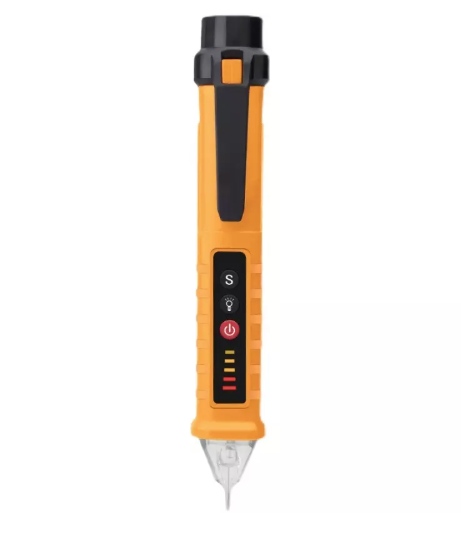
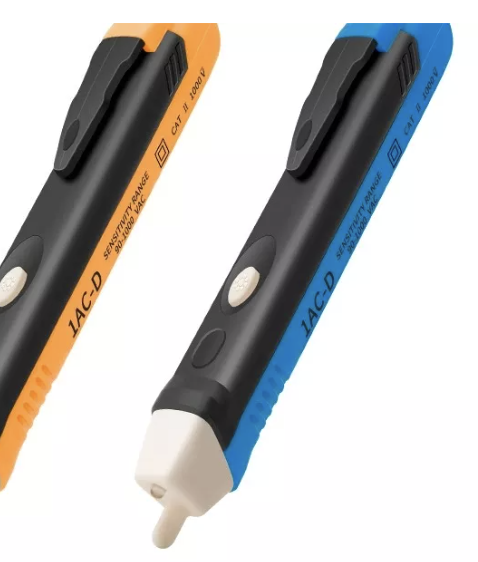
Alternatively, you can use a voltage tester, which is a simpler tool that detects the presence of voltage. While a voltage tester is easy to use and portable, it doesn’t provide the same level of detail as a multimeter. For basic checks, a voltage tester is sufficient, but if you want to measure the exact voltage and diagnose issues like grounding or reversed polarity, a multimeter is necessary.
When selecting a multimeter for testing outlets, ensure it is capable of measuring household AC voltages (typically between 110V and 240V). For specialized applications, such as high-voltage circuits or industrial testing, you may need a high-voltage tester designed for specific voltage ratings. These testers also include enhanced safety features to prevent accidents in hazardous conditions.
Tool Comparison
Tool Type | Function | Key Advantages | Limitations |
Multimeter | Measures AC voltage, resistance, and more | Provides detailed readings, checks voltage, grounding, and polarity | Requires more setup and can be complex for beginners |
Voltage Tester | Detects presence of voltage | Quick and simple to use, portable | Limited in measurement range and detail |
Setting Up the Multimeter
To set up your multimeter for testing outlet voltage:
1. Set the dial to measure AC voltage (indicated by a "V~").
2. Insert the black probe into the COM (common) port and the red probe into the VΩmA port.
3. Ensure the multimeter is properly configured for the voltage range in question. For most household outlets, the typical range should be 200V or 600V, depending on your model. If you're unsure about your multimeter's range settings, consult the user manual to avoid damaging the device or receiving inaccurate readings.
How to Test Outlet Voltage with a Multimeter
Step 1: Set the Multimeter to AC Voltage
Turn the multimeter's dial to the AC voltage setting, typically represented by a "V~" symbol. Set the range to either 200V or 600V, depending on your model. For typical household outlets, a 200V setting will suffice.
Step 2: Insert the Probes into the Outlet
To test the outlet, follow these steps:
● Insert the black probe into the neutral slot (the larger slot of the outlet).
● Insert the red probe into the hot slot (the smaller slot). The multimeter should read between 110V and 120V if the outlet is functioning correctly.
Test Step | Expected Reading | Indication |
Black probe in neutral slot | 110V - 120V | Proper voltage from a correctly functioning outlet |
Black probe in ground slot | 120V | Proper grounding if reading is close to 120V |
Red probe in neutral slot | 0V or near 120V | Correct polarity; any deviation suggests a problem |
Step 3: Test for Proper Grounding
● Leave the red probe in the hot slot and move the black probe to the ground slot (the round hole).
● A properly grounded outlet will show a reading close to 120V. If the reading is significantly lower or higher, there may be an issue with the grounding of the outlet.
Step 4: Check for Correct Polarity
● Swap the probes: place the red probe in the neutral slot and the black probe in the ground slot.
● A properly wired outlet should show 0V. If you see a significant voltage, the outlet's polarity is reversed, which is dangerous and needs to be corrected.
Troubleshooting Outlet Voltage Issues
Low Voltage Readings
If the voltage is lower than the expected 110V to 120V range, several issues could be causing this:
● The circuit breaker might have tripped, cutting power to the outlet.
● There may be loose or damaged wiring in the outlet, which can prevent proper voltage delivery.
● Overloaded circuits can cause voltage drops when too many devices are drawing power from the same outlet or circuit.
If you're experiencing low voltage readings, take these steps:
● Reset the circuit breaker to restore power.
● Check for wiring issues by inspecting the outlet for any visible damage or loose connections.
● Avoid overloading the circuit by disconnecting some devices and testing the outlet again.
Issue | Possible Cause | Recommended Action |
Low Voltage Readings | Tripped circuit breaker, damaged wiring, overloaded circuit | Reset circuit breaker, check for wiring issues, avoid overloading |
No Voltage Reading
If there is no voltage reading at all, this could be a sign of a more serious issue:
● The outlet circuit breaker might be turned off, disconnecting power.
● There could be a break in the wiring or a complete failure in the outlet’s power supply.
● Test the multimeter on another known live outlet to confirm if the tool is working correctly.
To address this issue:
● Verify the circuit breaker is on.
● Inspect the wiring for any visible damage or disconnected wires.
● Use a different outlet to ensure the multimeter is functioning as expected.
Issue | Possible Cause | Recommended Action |
No Voltage Reading | Power supply issue, tripped breaker, or faulty wiring | Verify multimeter function, check circuit breaker, inspect wiring |
Reversed Polarity
If the multimeter shows unusual readings, such as a voltage reading where there should be none, it indicates reversed polarity. This occurs when the hot and neutral wires are swapped in the outlet. Reversed polarity is a significant electrical hazard because it can result in electrical shocks or damage to devices.
To correct reversed polarity:
● Turn off the power to the outlet at the circuit breaker.
● Check the wiring to ensure the hot (smaller slot) and neutral (larger slot) wires are properly connected.
● Call an electrician if you're not comfortable re-wiring the outlet yourself or if the issue persists. Reversed polarity can be a sign of more extensive electrical wiring problems that require professional attention.
Issue | Possible Cause | Recommended Action |
Reversed Polarity | Incorrect wiring (hot and neutral wires swapped) | Call an electrician to fix the wiring error |
By following these troubleshooting steps, you can resolve common issues with outlet voltage and ensure your electrical system is safe and functioning correctly. Regular testing and inspection of outlets are key to maintaining an efficient and hazard-free electrical system in your home or office.

Why You Should Test Outlets Regularly
Prevent Electrical Hazards
Regular testing helps identify issues like incorrect wiring, improper grounding, or damaged outlets. These problems, if left unchecked, can lead to electrical hazards such as fire or electric shock. Routine outlet testing ensures your electrical system is functioning properly and safely, minimizing risks to both people and property.
Ensure Proper Functioning
Over time, outlet wiring can degrade or become loose, which can cause voltage fluctuations or even total power loss. Regularly testing outlets ensures each one provides the correct voltage. This is crucial for the safe operation of appliances and devices. An outlet not providing the correct voltage can lead to appliance malfunctions, overheating, or damage to connected devices.
Maintain Energy Efficiency
Faulty outlets can result in inefficient energy use, leading to higher electricity bills. For example, improperly grounded or wired outlets can force electrical devices to work harder, drawing more power. By regularly checking outlet voltage, you ensure they function efficiently and prevent energy waste, helping lower your electricity costs.
Safety Protocols When Testing Outlet Voltage
Pre-Use Safety Checks
Before using your multimeter, always perform a "live-dead-live" test. This involves testing a known live circuit, followed by a dead one, and then testing the live circuit again. This simple procedure helps verify that your multimeter is functioning correctly and accurately before using it on outlets. It ensures that the multimeter’s settings and probes are working properly and that you're fully prepared for the task.
Additional Precautions
When performing voltage tests, always take extra safety precautions to prevent accidents:
● Wear rubber gloves or other insulating safety gear to prevent electrical shocks, especially when testing unknown or high-voltage outlets.
● Double-check that your multimeter is correctly configured for the right settings (AC voltage, appropriate range) and is in good working condition before you begin testing.
● Never touch the metal parts of the probes while the multimeter is in use. This reduces the risk of accidental contact with live parts, especially when working with high-voltage systems.
● Always unplug devices from the outlet before testing it. This eliminates the possibility of shocking yourself through any plugged-in equipment while measuring the outlet's voltage.
When to Call a Professional
If you encounter persistent issues such as reversed polarity, no voltage readings, or if an outlet continues to malfunction after your testing, it’s time to call a licensed electrician. Problems like reversed polarity or a complete lack of voltage could indicate faulty or hazardous wiring. Electrical issues involving wiring faults, grounding problems, or power supply interruptions are potentially dangerous and should be handled by a professional to ensure the safety of your home or workplace.
Having an electrician inspect and repair electrical issues ensures that everything is safely fixed, reducing the risk of further damage or hazards like electrical fires or shocks. Always err on the side of caution and seek professional help when dealing with complex electrical problems.
Conclusion
Testing outlet voltage is essential for ensuring the safety and functionality of your electrical system. Using a multimeter or voltage tester, you can check for proper voltage, grounding, and polarity, helping to prevent electrical hazards. Regular testing also improves energy efficiency and keeps your devices running smoothly. If issues arise, consult a qualified electrician for assistance.
At JITAI, we offer reliable, accurate multimeters designed to meet your electrical testing needs. Our products ensure safety, precision, and durability, making them a valuable addition to any toolkit.
FAQ
Q: How do I test outlet voltage with a multimeter?
A: To test outlet voltage with a multimeter, set the multimeter to AC voltage, insert the probes into the outlet (black probe in neutral, red probe in hot slot), and check the reading for proper voltage, typically 110V-120V.
Q: Why is my outlet reading low voltage?
A: Low voltage readings can be caused by a tripped circuit breaker, damaged wiring, or an overloaded circuit. Check the breaker, inspect the outlet for wiring issues, and avoid overloading the circuit.
Q: Can I use a voltage tester instead of a multimeter to test outlet voltage?
A: Yes, you can use a voltage tester for quick voltage presence checks, but a multimeter provides more detailed readings such as voltage levels, grounding, and polarity.
Q: What does reversed polarity in an outlet mean?
A: Reversed polarity means the hot and neutral wires are swapped, which can cause safety hazards. Correcting the wiring or consulting an electrician is necessary to avoid risks.


