Introduction
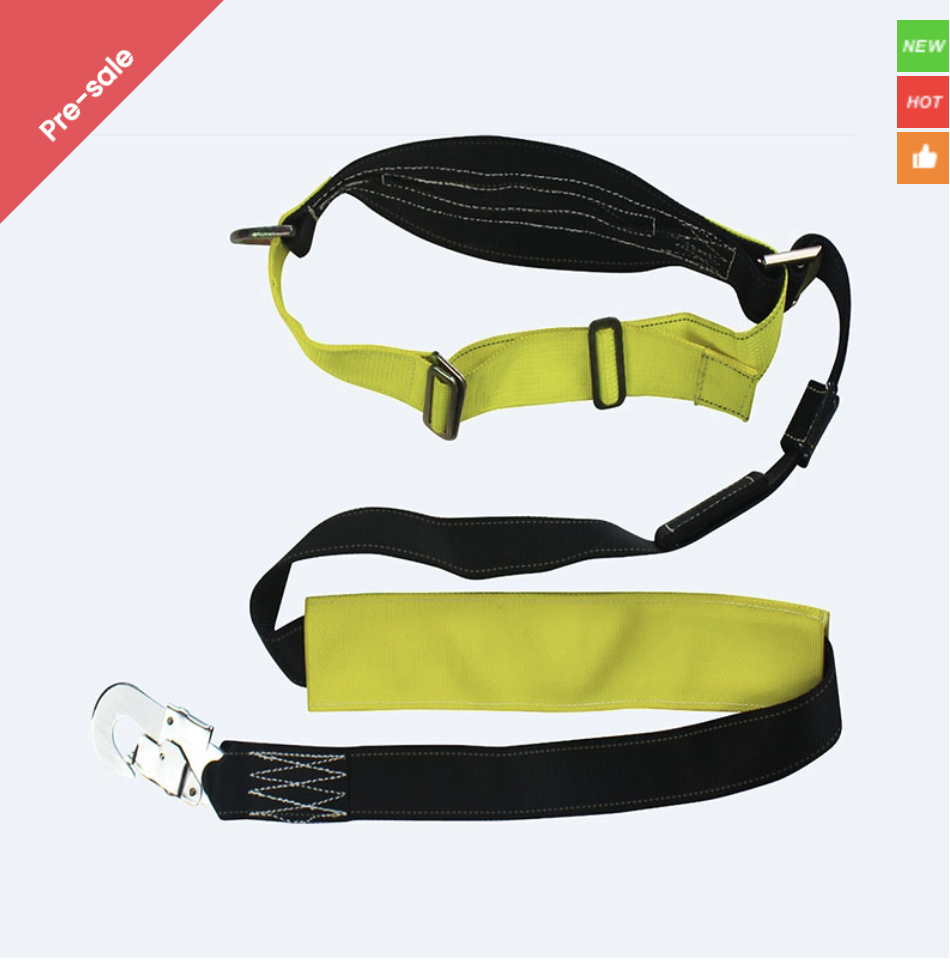
Safety is essential, especially in high-risk workplaces. Full-body harnesses and fall arrest systems prevent falls and reduce injury. These systems have a limited lifespan and must be replaced when they no longer meet safety standards. This article will explain when to replace your harness for optimal protection.
You will learn the key factors for replacement and signs of wear. We will also cover best practices for inspections and maintenance.
At JITAI, we offer high-quality fall protection gear that meets global safety standards. Learn more about our products.
Understanding the Purpose of a Fall Arrest System
What is a Full-Body Harness?
A full-body harness is an essential piece of fall protection gear that is designed to protect workers in high-risk environments. Unlike a simple lanyard, it works by distributing the force of a fall evenly across the body. This helps to minimize the risk of injury by preventing concentrated pressure on any one part of the body. With proper fit and adjustment, it also provides comfort and mobility, enabling workers to perform tasks safely while ensuring fall protection.
The Role of Fall Arrest Systems
A fall arrest system comprises several key components, including the full-body harness, a lanyard, and an anchor point. This system is designed to stop a fall in progress, effectively arresting the descent of a worker and preventing serious injuries or fatalities. By combining these components, the system ensures that workers are kept in a safe position during hazardous tasks. Whether working at heights, on scaffolding, or performing dangerous operations, fall arrest systems provide essential protection against the risk of falling.
How a Harness Enhances Worker Safety
Not only does a harness prevent falls, but it also enhances worker stability. A properly fitted and adjusted harness helps workers maintain a secure and balanced stance, even when performing tasks in challenging positions. By ensuring that the fall forces are evenly distributed, the harness reduces the likelihood of secondary injuries, such as whiplash or internal damage, that can occur during a fall. Workers are also more confident in their movements, knowing they have proper fall protection, which enhances their overall safety on the job.
Factors That Impact the Lifespan of a Full Body Harness
Manufacturer’s Guidelines for Replacement
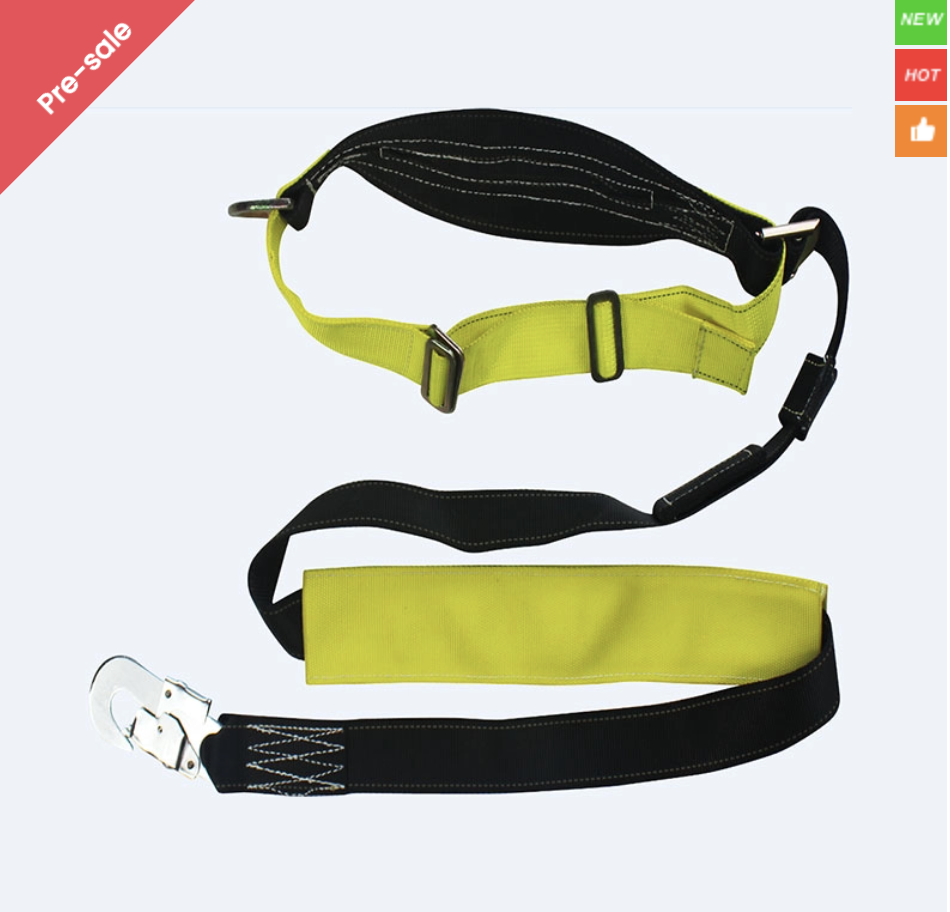
Most manufacturers recommend a replacement timeline for full-body harnesses, typically ranging between 5 and 10 years. This period is based on factors like material durability, frequency of use, and exposure to harsh environments. It's crucial to follow these guidelines to ensure the harness remains reliable and effective throughout its lifespan. Regular inspections should also be conducted to detect any signs of wear, as they may shorten the lifespan of the harness.
Signs of Wear and Tear
It is essential to inspect a harness regularly to ensure it is still in safe working condition. Key indicators of wear and tear include frayed straps, broken stitching, or rusted metal parts like buckles and D-rings. Any stretch in the harness material or any areas that appear weaker or compromised must be addressed immediately. These physical signs signal that the harness may no longer provide reliable protection and should be replaced.
Environmental Factors That Accelerate Wear
The environment in which the harness is used plays a significant role in its lifespan. Prolonged exposure to UV rays, chemicals, extreme temperatures, or saltwater can weaken the materials in the harness, making it more prone to failure. These environmental factors degrade the integrity of the harness over time, potentially compromising its effectiveness. Workers should ensure their harnesses are stored correctly and avoid exposure to harsh elements whenever possible.
Factor | Impact on Harness Life |
Manufacturer's guidelines | Typically 5-10 years based on material and use |
Wear and tear (frayed straps, rust) | Reduces durability and effectiveness |
Environmental factors | UV exposure, chemicals, and extreme heat can degrade materials |
Frequency of use | Frequent use or extreme environments may necessitate earlier replacement |
When to Replace a Harness: Key Indicators
Immediate Replacement After a Fall Incident
If a full-body harness has been involved in arresting a fall, it should be replaced immediately, even if no visible damage is apparent. The forces exerted during a fall can cause internal damage to the harness that may not be visible during routine inspections. To ensure the safety of the worker in future incidents, the harness should be discarded and replaced.
Visible Physical Damage
Any visible damage to the harness, such as fraying, cuts, or torn stitching, requires immediate attention. Damage to critical components like buckles, D-rings, or the webbing can compromise the harness’s ability to perform effectively during a fall. If any part of the harness is physically compromised, it should be replaced before the next use.
Missing or Illegible Labels
The label on a full-body harness contains critical information, such as the manufacturer, model number, safety standards, and expiration date. If the label is missing, damaged, or illegible, it can no longer be trusted as proof that the harness meets safety requirements. Always verify that the label is readable and intact before using the harness.
Exposure to Hazardous Conditions
Harnesses exposed to hazardous conditions—such as harsh chemicals, extreme heat, or UV rays—should undergo a thorough inspection. Even if no visible damage is present, these factors can degrade the materials of the harness, rendering it unsafe for further use. If there’s any doubt about the integrity of the harness, it should be replaced to avoid potential safety risks.
Indicator | Action |
Fall Incident | Replace immediately, even without visible damage |
Visible Physical Damage | Replace if webbing, stitching, or hardware is damaged |
Missing or Illegible Labels | Harness must be replaced if the label is unreadable or missing |
Exposure to Hazardous Conditions | If exposed to chemicals, heat, or UV rays, inspect thoroughly and replace if necessary |
How to Perform Routine Inspections on a Full Body Harness
Daily Pre-Use Checks
Before each use, always perform a quick inspection of the harness to check for visible signs of wear and tear. Look for frayed webbing, worn-out straps, damaged hardware, or missing parts. Ensure that the D-rings, buckles, and adjustment points are functioning properly. Even small issues can indicate potential safety concerns, so it’s crucial to address any problems before use.
Annual or Bi-Annual Inspections
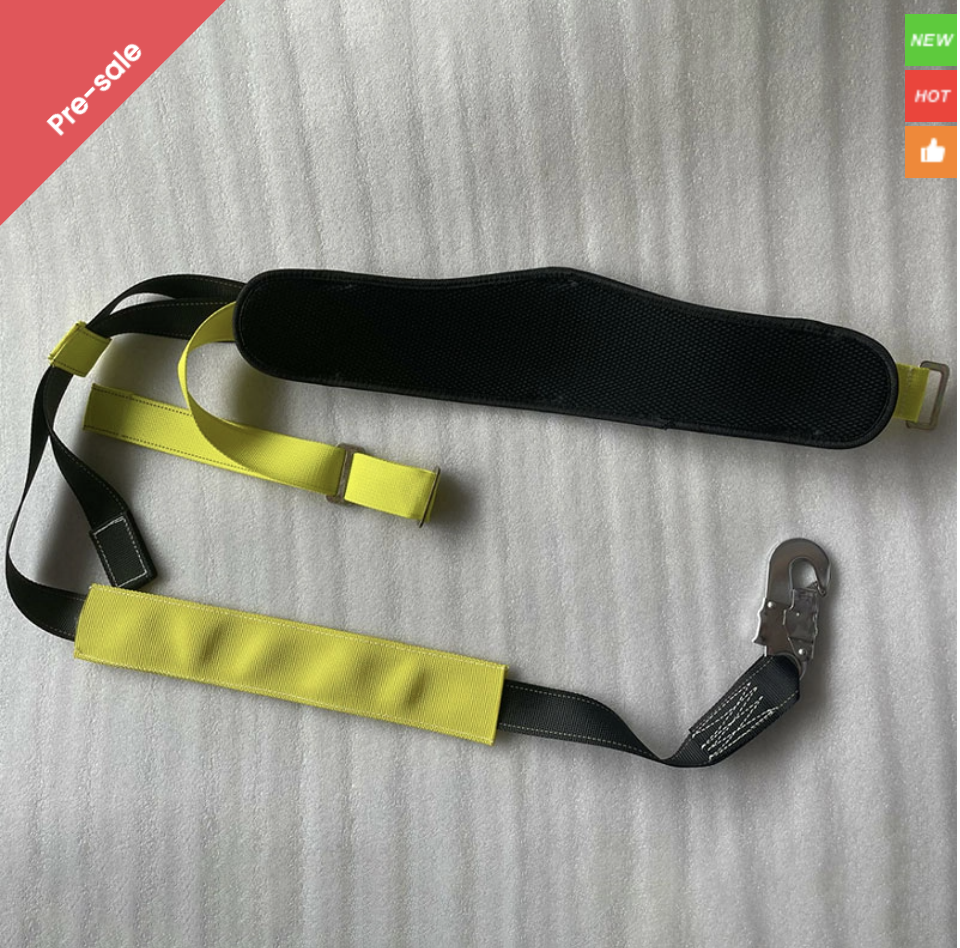
At least once a year—or more often, depending on usage and harsh working conditions—a competent person should conduct a detailed inspection of the entire harness. This inspection should cover all components, including straps, stitching, hardware, and D-rings. In environments where the harness faces extreme conditions (e.g., exposure to chemicals, UV rays, or heavy wear), more frequent inspections may be required.
What to Look for in an Inspection
During the inspection, ensure the harness is in good working condition. Look for visible damage such as cuts, frays, burns, or stretched straps. Examine the stitching to ensure it is intact and hasn’t weakened. Pay close attention to the hardware, including buckles, D-rings, and any adjustable components—these should move freely and lock securely. If there are any signs of damage, the harness should be taken out of service and replaced immediately.
Legal Requirements and Standards for Harness Replacement
OSHA and Industry Standards
According to the Occupational Safety and Health Administration (OSHA), fall protection equipment, including full-body harnesses, must be inspected regularly. Harnesses should be replaced if they are damaged or have reached the end of their service life, as specified by the manufacturer. OSHA guidelines emphasize the importance of compliance with safety standards to ensure worker protection.
Compliance with ANSI and EN Standards
Full-body harnesses must meet recognized safety standards such as ANSI Z359.1 (American National Standards Institute) and EN 361 (European Standards). These standards provide detailed requirements for the design, maintenance, and replacement of harnesses. They ensure that harnesses meet essential safety criteria, offering reliable protection during high-risk work activities. Adhering to these standards helps guarantee that your fall protection equipment remains effective and compliant with global safety practices.
Standard | Description |
OSHA (Occupational Safety and Health Administration) | Mandates regular inspections and timely replacement of fall protection equipment |
ANSI Z359.1 | Defines guidelines for personal fall protection equipment, including service life and maintenance |
EN 361 | European standard for fall arrest systems, ensuring compliance with global safety requirements |
Best Practices to Extend the Life of Your Harness
Proper Storage Techniques
Proper storage is key to extending the life of your full-body harness. Store it in a cool, dry place away from direct sunlight, chemicals, and sharp objects that could damage the material. Exposure to environmental stressors such as UV rays or moisture can degrade the harness fabric and stitching. A clean, dry storage area will help maintain the integrity of the harness, ensuring it remains ready for use when needed.
Cleaning and Maintenance
Always clean your harness according to the manufacturer's instructions. Use mild soap and water to remove dirt and debris, and avoid using abrasive cleaning agents or harsh chemicals that could break down the fabric or webbing. Regular cleaning helps maintain the harness’s flexibility and durability. For leather or other specialized materials, ensure you follow specific care instructions to prevent material degradation.
Preventing Physical Damage
To prevent physical damage, store the harness in a way that avoids putting stress on any part of the system. Hanging the harness by the D-ring is a good practice to prevent pressure on the straps. Never store the harness in areas where it might come into contact with sharp objects, hot surfaces, or corrosive chemicals. Additionally, avoid folding the harness in a way that might weaken the fabric or stitching.
Conclusion
Safety in high-risk work environments depends on reliable fall protection systems. A full-body harness plays a vital role in worker safety, but it must be regularly inspected and replaced as needed. Follow manufacturer guidelines for replacement when signs of wear appear or after a fall. Proper maintenance and storage practices can extend the life of your harness, ensuring maximum safety. At JITAI, we provide high-quality, durable fall protection gear to keep workers safe and compliant with safety standards.
FAQ
Q: How often should I replace my full body harness/fall arrest system?
A: You should replace your full body harness every 5-10 years or sooner if it shows signs of wear or has been involved in a fall.
Q: What are the key indicators that my full body harness needs to be replaced?
A: Key indicators include frayed webbing, broken stitching, rusted hardware, or a harness that has been involved in a fall.
Q: Can I continue using my fall arrest system after a fall?
A: No, if your fall arrest system has been used to arrest a fall, it should be immediately replaced, regardless of visible damage.
Q: How can I extend the lifespan of my full body harness?
A: Proper storage, regular cleaning, and routine inspections can help extend the lifespan of your full body harness.


