Introduction
Safety is crucial when working at heights. A body harness is a key tool for protection. It prevents falls by distributing impact forces and keeping workers secure. Whether in construction, maintenance, or rescue operations, using a body harness is essential. In this article, you will learn the purpose of a body harness, how it works, and why it’s critical for safety.
At JITAI, we offer high-quality body harnesses to keep workers safe. Explore our products to find the right harness for your needs.
Understanding the Body Harness
What is a Body Harness?
A body harness is a type of personal protective equipment (PPE) designed to prevent injury by distributing the forces of a fall across the body. It consists of several components, including straps, buckles, and attachment points that secure the user to a fall arrest system. Unlike a basic safety belt, a body harness is built to offer full-body support during a fall, making it much more effective at preventing injuries.
In hazardous work environments, such as construction sites or industrial settings, having the right protection is crucial. In addition to the body harness, other essential equipment like safety shoes and helmets are equally important. Safety shoes designed for personal protection, for instance, offer reliable protection for professionals working in high-risk environments, ensuring secure and comfortable use during various applications.
How Does a Body Harness Work?
When a fall occurs, the body harness absorbs and distributes the impact force across the body, which reduces the risk of injury. Instead of concentrating the force on one area, like the waist or spine, the harness spreads it out, providing a much safer alternative. This is crucial, especially in industries where falls are a common hazard, such as construction or rescue operations.
The use of safety gear, including safety helmets, adds an extra layer of protection. A high-quality safety helmet offers durable head protection in dangerous environments, ensuring that workers are not exposed to unnecessary risks.
Key Components of a Body Harness
A typical body harness includes:
● Straps: These adjustable straps secure the harness to your body and ensure a snug fit.
● D-Rings: These are the attachment points for fall arrest systems, usually located on the back or chest.
● Buckles: These are used to adjust the fit of the harness.
● Chest, Thigh, and Shoulder Straps: These help distribute the fall forces evenly across the body to minimize injury.
Each of these components plays an essential role in ensuring safety. Without any one of these components, the harness wouldn’t offer the full level of protection required.
Component | Description |
Straps | Adjustable straps that secure the harness to the body. |
D-Rings | Attachment points for fall arrest systems. |
Buckles | Used for adjusting the fit of the harness. |
Chest, Thigh, and Shoulder Straps | Distribute the forces from a fall evenly across the body. |
The Importance of Body Harnesses in Worker Safety
Preventing Serious Injury in the Event of a Fall
The primary purpose of a body harness is to stop falls and minimize the risk of injury. When used correctly, a body harness can prevent severe injuries by stopping a fall mid-air and distributing the forces involved. However, it’s not only the body harness that ensures worker safety. Safety shoes are another crucial component for workers, offering durable protection that enhances overall safety in industrial environments.
Keeping the Worker Upright and Safe
Another vital feature of the body harness is its ability to keep the worker upright after a fall. This is essential because a worker who is hanging at a dangerous angle can experience “suspension trauma,” where blood flow is restricted, leading to serious health issues. The harness ensures that the worker stays in a safe position while waiting for rescue.
Psychological Benefits of Wearing a Body Harness
Wearing a properly fitted body harness provides psychological comfort. Workers are more likely to perform well when they know they are safe and secure. This reduction in anxiety leads to better focus and productivity. For added comfort, safety shoes and helmets contribute to a worker's sense of security, ensuring they feel protected during the entire job.
Types of Body Harnesses and Their Uses
Fall Arrest Harnesses
Fall arrest harnesses are designed to stop a fall before the worker reaches the ground. These harnesses are widely used in high-risk activities such as construction and roofing. By attaching to a fall protection system, these harnesses ensure that if a fall occurs, the worker is safely caught.
Safety shoes designed for such high-risk environments provide additional support, ensuring that workers are comfortable and protected throughout their tasks.
Work Positioning and Restraint Harnesses
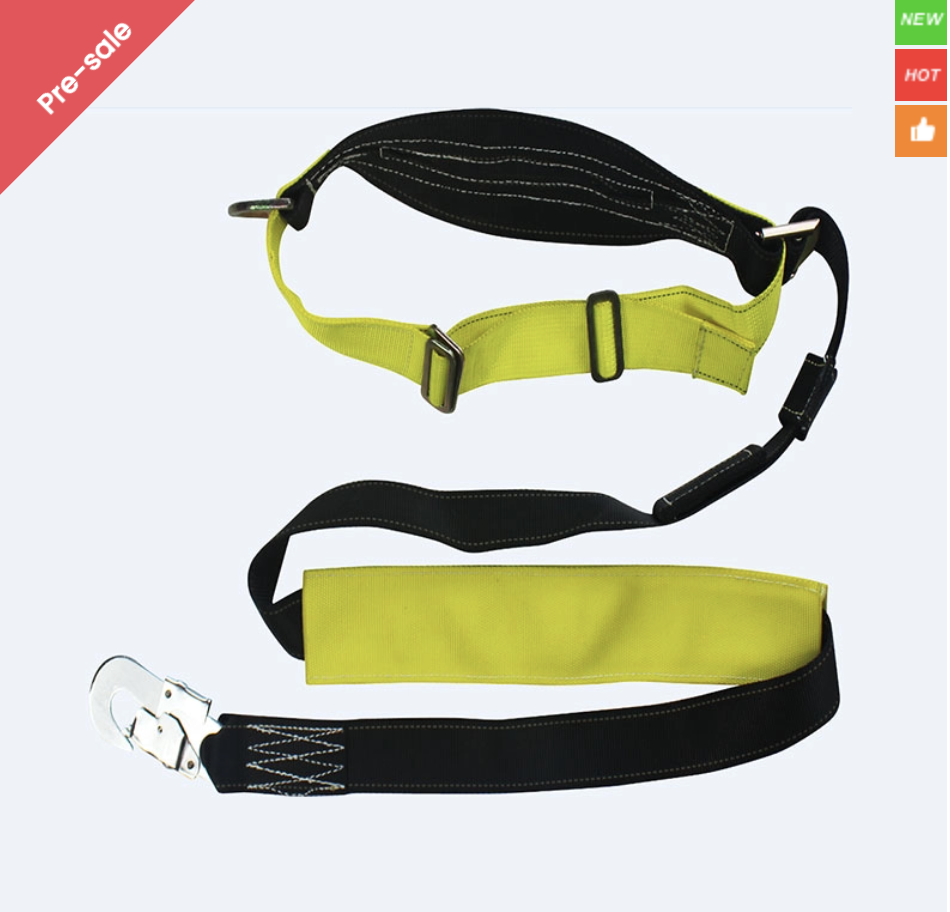
Work positioning harnesses help workers maintain stability at heights, ensuring they can work safely while remaining upright. Unlike fall arrest harnesses, these don’t catch a worker after a fall but keep them in place during their tasks.
Suspension Harnesses
Suspension harnesses are designed for tasks that involve prolonged periods of suspension, such as window cleaning or high-rise painting. These harnesses are built for comfort, with padding and design features that reduce fatigue during extended periods of use. These harnesses also work alongside other safety equipment, like helmets, to ensure comprehensive protection.
Type of Harness | Description | Primary Use |
Fall Arrest Harness | Designed to stop a fall before the worker reaches the ground. | Used in construction, roofing, and high-risk activities. |
Work Positioning Harness | Keeps the worker in a stable position at height. | Ideal for tasks that require a stable position while working at height. |
Suspension Harness | Designed for prolonged suspension. | Used in tasks like window cleaning, high-rise painting, or rescue operations. |
How to Properly Use a Body Harness
Step-by-Step Guide to Wearing a Body Harness
1. Adjust the Straps: Secure the straps around the chest, thighs, and shoulders. The harness should be snug but allow for movement.
2. Secure the D-Rings: Attach the D-ring to the fall protection system or lanyard.
3. Check the Fit: Ensure the harness is correctly adjusted and doesn’t restrict breathing or movement.
4. Inspect the Harness: Regularly inspect the harness for damage or wear.
Inspecting and Maintaining Your Body Harness
It’s essential to check the harness before each use to ensure it’s in good condition. Look for any signs of wear, tears, or damaged buckles. Like other safety equipment, such as safety helmets and shoes, the harness should be maintained in excellent condition for optimal performance.
Inspection Area | What to Look For | Action if Damaged |
Straps | Check for frays, tears, or stretching. | Replace if damaged. |
D-Rings | Look for cracks or signs of wear. | Ensure proper attachment. |
Buckles | Ensure they lock securely and show no signs of damage. | Replace if malfunctioning. |
Harness Stitching | Check for loose or undone stitching. | Repair or replace if necessary. |
Common Mistakes When Using a Body Harness
● Improper Fit: Ensure the harness is snug and properly adjusted.
● Incorrect Attachment: Always secure the D-ring properly.
● Ignoring Inspections: Never use a damaged harness. Regular inspections can prevent accidents.
Why Choosing the Right Body Harness is Important
Understanding Different Harness Types for Specific Jobs
Each type of body harness serves a specific purpose. Understanding these differences is crucial when selecting the right harness for a particular job. Whether you're performing a high-risk task like roofing or needing to remain suspended for an extended period, choosing the correct harness is critical.
Risks of Using Substandard Body Harnesses
Choosing a low-quality or uncertified body harness can lead to serious injury or even death. Always opt for high-quality, certified harnesses that meet industry standards. Low-quality harnesses may fail to provide adequate protection in the event of a fall.
Cost vs. Safety: Why Investing in Quality Harnesses Matters
While a higher-quality harness may come with a steeper price tag, the benefits far outweigh the costs. A good harness not only ensures safety but also increases comfort and reduces risk. When you’re working at heights, the cost of safety is an investment in the well-being of your workforce.
Conclusion
A body harness is vital for preventing falls and reducing injury risk in hazardous environments. Proper use and maintenance ensure maximum safety and compliance with safety standards. Always opt for a certified, high-quality harness, and pair it with other safety equipment like helmets and shoes. Investing in quality safety gear, like those offered by JITAI, ensures worker protection and job completion without unnecessary risks.
FAQ
Q: What is the purpose of a body harness?
A: A body harness is designed to protect workers from falls by distributing impact forces, ensuring safety in high-risk environments.
Q: How do I properly use a body harness?
A: Ensure the harness is snug, adjust the straps, and attach it securely to a fall arrest system. Regularly inspect it for wear.
Q: Can a body harness prevent all types of falls?
A: While a body harness helps prevent falls, it must be used correctly and paired with other safety equipment for full protection.
Q: How do I maintain my body harness?
A: Inspect the harness regularly for damage, ensure proper fit, and store it in a clean, dry place to extend its lifespan.


