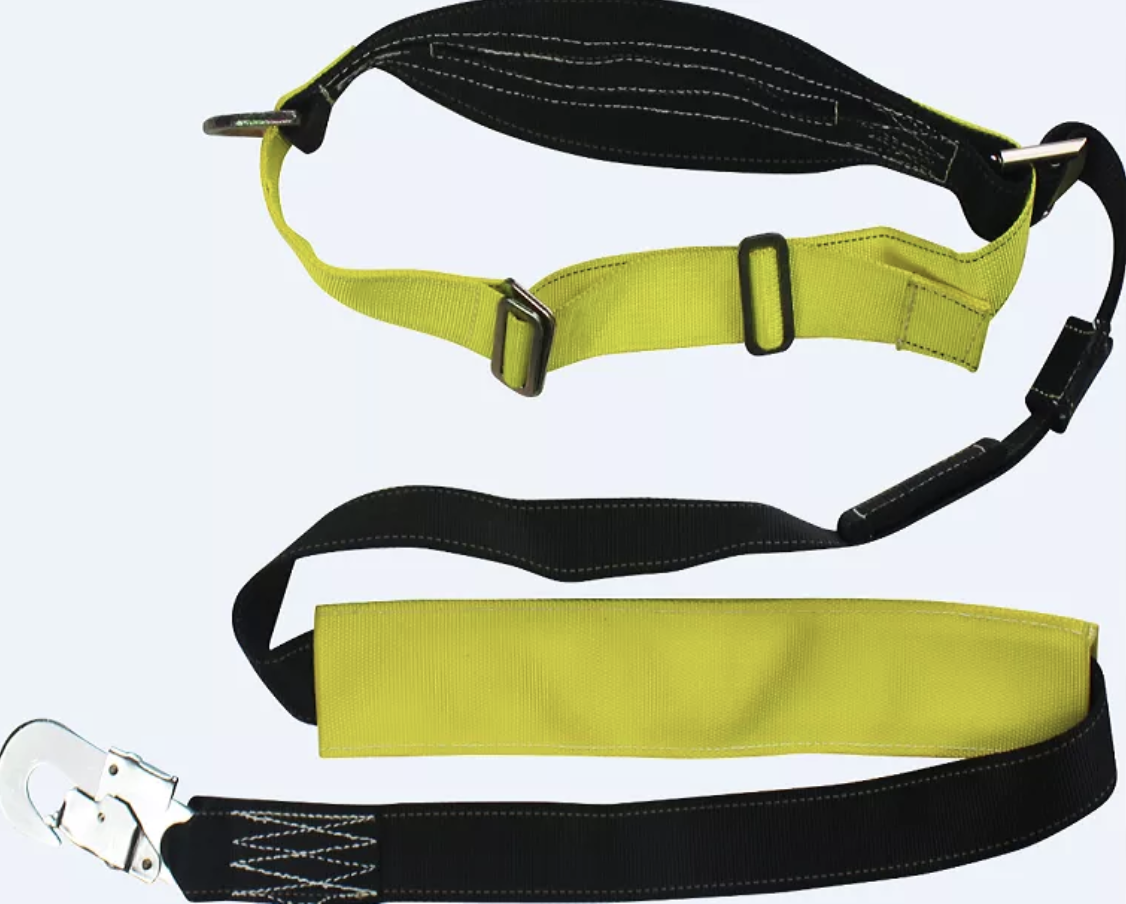
Wearing a safety belt is one of the simplest and most effective ways to protect yourself while driving or riding in a vehicle. Despite its importance, studies show that many people still do not wear their seat belts correctly, which can lead to increased risk of injury or death in the event of a collision. In this article, we will discuss how to properly wear a safety belt, its significance, and how it can save lives. We will also explore the benefits of using seat belts, common mistakes, and how different types of safety belts are designed to fit various vehicles and individuals.
Why Wearing a Safety Belt is Important
The Life-Saving Impact of Seat Belts
Seat belts are designed to prevent passengers from being ejected from the vehicle during a crash and to distribute the forces of the collision over the stronger parts of the body. When worn correctly, a safety belt significantly reduces the likelihood of severe injury or death. According to statistics from the National Highway Traffic Safety Administration (NHTSA), seat belts reduce the risk of fatal injury by 45% for front-seat passengers in passenger cars and by 60% in light trucks.
Protection Against Ejection
In the event of a crash, wearing a safety belt prevents the person from being ejected from the vehicle. Individuals who are ejected from a vehicle are far more likely to suffer severe injuries or fatalities, as they are thrown into oncoming traffic or hit by parts of the vehicle.
How to Properly Wear a Safety Belt
Step-by-Step Guide to Properly Wearing a Safety Belt
Wearing a safety belt may seem simple, but it’s important to follow the correct steps to ensure it is effective. Here’s how to properly wear your safety belt:
Sit Upright: Before putting on your seat belt, make sure you are sitting upright with your back against the seat. This position helps the seat belt fit properly across your body.
Pull the Belt Across Your Body: Grasp the seat belt and pull it across your body, ensuring it is not twisted.
Position the Lap Belt: The lap belt should sit low and snug across your hips, touching the upper thighs. It should not be positioned across your stomach or abdomen, as this can cause internal injuries in the event of a crash.
Adjust the Shoulder Strap: The shoulder strap should lie across the middle of your chest and rest on your shoulder. It should never touch your neck or face. Make sure the strap is not behind your back or under your arm, as this can reduce the effectiveness of the seat belt.
Ensure the Belt is Snug: Once the belt is in place, make sure it is snug against your body. You should not be able to pinch any slack between your body and the belt.
Tips for a Proper Fit
Adjust the Shoulder Strap: Most modern vehicles have adjustable seat belt height. Ensure the shoulder strap is at a comfortable height—ideally, it should be just over the shoulder and across the chest, never cutting into the neck.
Use Seat Belt Extenders if Necessary: If the seat belt is too short for you to wear comfortably, use a seat belt extender. These extenders are available for those who need extra length for proper fit, ensuring the belt remains effective.
Types of Safety Belts
1. Lap Belt
A lap belt is a type of safety belt that goes across the waist, typically used in older vehicles or in certain configurations of vehicles. While it’s effective in preventing ejection, it is less ideal when used alone, as it doesn’t offer as much protection to the upper body. It’s often used in combination with a shoulder belt for maximum protection.
2. Three-Point Harness
The three-point harness is the most common type of safety belt found in modern cars. It consists of a lap belt and a shoulder belt, forming a “Y” shape across the body. This is the most effective design as it provides protection for both the lower and upper body.
3. Five-Point Harness
The five-point harness is commonly used in racing vehicles, child car seats, or high-performance vehicles. This harness system has a lap belt and shoulder straps that come from five different points: two over the shoulders, two on the hips, and one across the lower abdomen. This provides additional protection and is often used for added safety in extreme conditions.
Common Mistakes When Wearing a Safety Belt
1. Incorrect Positioning of the Lap Belt
The lap belt should sit on the hips, not the stomach. Many people tend to wear the lap belt over the stomach, which can cause significant internal injuries in the event of a crash. Always ensure the lap belt is positioned low and snug on your hips.
2. Shoulder Strap Under the Arm
Some people make the mistake of placing the shoulder strap under their arm. This greatly reduces the effectiveness of the safety belt, as it doesn’t properly distribute the force of a collision across the chest. Always ensure the shoulder strap crosses the chest and shoulder.
3. Wearing the Seat Belt Loose
Wearing a safety belt loosely can lead to injuries in an accident. The belt should fit snugly against your body, with no slack, to ensure it functions as intended during a crash.
4. Not Wearing the Seat Belt at All
Despite the clear safety benefits, many people still choose not to wear a safety belt. This increases the risk of injury or death in the event of an accident. Make it a habit to wear your safety belt every time you get into a vehicle, whether you’re driving or riding as a passenger.
Safety Belt for Children
1. Using Booster Seats
Children who are too small to use an adult safety belt must use a booster seat. Booster seats help position the seat belt correctly across the child’s body, making sure that the lap belt rests on the hips and the shoulder belt crosses the chest, not the neck.
2. Child Safety Seats
For infants and toddlers, the use of a child safety seat is necessary. These seats provide additional protection by securely holding the child in place. Ensure the seat is installed according to the manufacturer’s instructions and that the child is strapped in properly.
3. Rear Seat Safety
For children and even adults, the back seat is the safest place to sit. Research shows that the rear seat, especially in the center, is less dangerous in the event of an accident. Always ensure children under 13 ride in the back seat.
Benefits of Wearing a Safety Belt
1. Reduced Risk of Injury
The primary benefit of wearing a safety belt is the significant reduction in the risk of injury in the event of a crash. By keeping you securely in place, the seat belt prevents you from being thrown around inside the vehicle, reducing the chances of injury.
2. Legal Requirement
In most countries, wearing a safety belt is not just a recommendation, it’s the law. Failing to wear a seat belt can result in fines, penalties, and in some cases, the inability to claim insurance in case of an accident.
3. Prevents Ejection from the Vehicle
One of the most important reasons to wear a safety belt is to prevent ejection from the vehicle during a crash. Ejection often leads to fatal injuries, especially if the individual is thrown into traffic or obstacles outside the vehicle.
Jtdianli Safety Belt Products
At jtdianli, we understand the importance of safety belts in protecting lives. Our range of high-quality safety belts ensures that you and your loved ones are secure on every journey. Whether you’re driving a car, riding in a bus, or securing a child with a booster seat, jtdianli offers reliable, comfortable, and durable safety belts that meet the highest safety standards.
Our safety belts are designed for easy installation, long-lasting durability, and maximum protection. With options for adults, children, and specialized needs, we have the perfect safety belt for every vehicle type.
FAQ
What is the correct way to wear a safety belt?
The safety belt should be worn with the lap belt sitting low on your hips and the shoulder strap resting across your chest and over your shoulder. The belt should fit snugly, with no slack.
Do I need to wear a safety belt in the back seat?
Yes, it’s important to wear a safety belt even in the back seat. In fact, studies show that wearing a safety belt in the rear seat can reduce the risk of fatal injury by 44%.
Can I use a safety belt extender if it’s too short?
Yes, if the safety belt does not fit properly, you can use an extender to ensure it fits securely across your body. However, always make sure the extender is compatible with your vehicle and safety belt system.
Are safety belts safe for pregnant women?
Pregnant women should wear the safety belt as follows: the lap belt should be positioned below the belly, across the hips, and the shoulder strap should cross the chest and between the breasts. This ensures the best protection for both the mother and the baby.
Why is it important to wear a safety belt?
Wearing a safety belt significantly reduces the risk of severe injury or death in the event of a crash. It keeps you securely in place, prevents ejection from the vehicle, and helps distribute the forces of impact across the body.
Conclusion
Wearing a safety belt is one of the simplest yet most effective ways to protect yourself while driving. Whether you’re in the front or back seat, using a safety belt correctly can significantly reduce the risk of injury or death in a crash. By following the steps outlined above, you can ensure that you are wearing your safety belt properly and making your travels safer.
For reliable safety belt solutions, consider exploring jtdianli products. We offer high-quality safety belts designed to meet safety standards and provide comfort and protection for every ride.


