Introduction
Are you working with electricity? Do you know if it's safe? A Voltage Detector can help ensure you’re not at risk. In this article, we’ll focus on how to effectively use a non-contact voltage detector, including tips for testing outlets, switches, and light fixtures safely. By the end, you'll understand how to properly use this essential tool to stay safe when handling electrical systems.
What is a Non-Contact Voltage Detector?
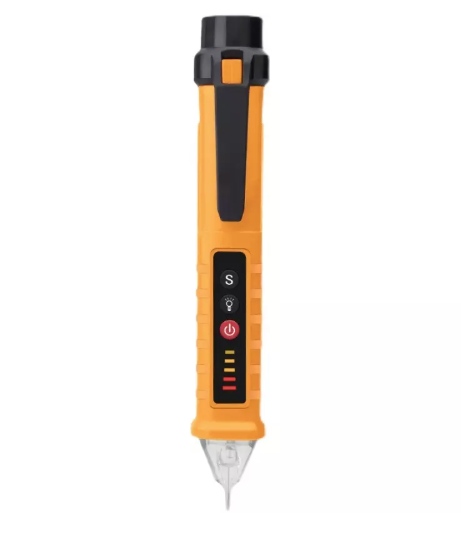
A Non-Contact Voltage Detector is a device designed to detect electrical voltage without the need for direct contact with the conductor. These testers detect the electromagnetic field created by an energized wire, signaling the presence of live voltage. The device will react by emitting either a visual signal, such as a flashing light, or an audible beep when near a live wire, even if the wire is insulated.
Non-contact voltage detectors are often compact, pen-shaped devices powered by batteries. They are primarily designed to detect alternating current (AC) voltages, but certain models are capable of detecting low-voltage direct current (DC) as well. These testers are widely used by electricians and homeowners to quickly and safely check the status of electrical circuits without the need for physical contact with potentially dangerous components.
Why Are Non-Contact Voltage Detectors Important?
Electrical safety is a primary concern for anyone working with electrical systems. A non-contact voltage detector provides a vital safety check before performing any work on circuits or electrical systems. Here's why these devices are so important:
Enhanced Safety
When working with electricity, the risk of electrical shock is always present. A non-contact voltage detector eliminates the need for direct contact with wires, reducing the risk of shock. Whether you are working on an electrical panel, light switch, or outlet, these detectors ensure that you can safely assess the state of the system before proceeding with any maintenance or repairs.
Immediate Feedback
Non-contact voltage detectors provide immediate, visible or audible feedback to alert the user to the presence of live voltage. This allows for quick identification of energized wires, preventing dangerous errors or accidents. It is especially useful in scenarios where circuits may be hidden or not easily accessible, such as behind walls or within electrical panels.
Ease of Use
Non-contact voltage detectors are incredibly easy to use. Their pen-like design and simple operation mean that both professional electricians and DIY enthusiasts can operate them with ease. You don’t need any specialized training to use these devices effectively, which makes them an invaluable tool for both everyday tasks and more complex electrical work.
Versatility
These detectors are versatile and can be used for a wide range of applications. They are commonly used for testing electrical outlets, light switches, light fixtures, and even in electrical panels. Whether you are working in residential, commercial, or industrial settings, a non-contact voltage detector can be used to quickly and safely verify that a system is de-energized before you begin working.
How to Use a Non-Contact Voltage Detector: Step-by-Step Guide
Using a non-contact voltage detector is straightforward. Below is a detailed step-by-step guide for effectively using the tool in different electrical testing situations:
Testing Electrical Outlets
Power Off the Circuit
Before using the tester, always switch off the circuit breaker to the outlet you are testing. This will ensure that the circuit is de-energized, reducing the chance of electrical shock while you work.
Test the Tester
Always test the voltage detector on a known live source, such as a working outlet or a light bulb, before using it on unknown circuits. This helps confirm that the tester is working properly.
Insert the Tester Into the Outlet
Place the tester's tip near the smaller (hot) slot of the outlet. The tester should light up or beep to indicate the presence of live voltage. If the tester does not react, the outlet may be de-energized or wired incorrectly.
Test the Neutral Slot
It is also important to test the neutral slot of the outlet to ensure that the wiring is correct. If there is no voltage detected in the neutral slot, the outlet is most likely wired properly. Miswiring can occur, so testing both slots is an essential safety measure.
Test Other Receptacles
If necessary, test additional outlets in the area to ensure that they are properly de-energized when the circuit is turned off. Miswiring is common in older homes, and confirming the status of other outlets can prevent hazardous situations.
Testing Light Switches
Remove the Cover Plate
Unscrew and remove the cover plate of the light switch to expose the terminals and wiring.
Test the Switch Terminals
Place the tester near the metal terminals of the light switch. If the tester reacts (lights up or beeps), the switch is live and should not be worked on until it is de-energized.
Double-Check the Circuit
If the switch controls multiple circuits, make sure to test each terminal to ensure there is no voltage present. This is especially important when working with three-way or multi-way switches.
Testing Light Fixtures
Power Off the Circuit
Before working with light fixtures, always ensure the circuit is turned off at the breaker. Electrical shock is a serious risk when dealing with live fixtures.
Unscrew the Light Bulb
Remove the light bulb to expose the fixture’s socket and metal terminals.
Test the Socket
Place the tip of the voltage tester against the socket or the metal terminals. If the fixture is live, the tester will react with a light or sound. This verifies that the fixture is properly de-energized before handling.
Test Multiple Switches
For fixtures controlled by more than one switch, test each switch in both the "on" and "off" positions. This ensures that the fixture is fully de-energized, especially in circuits with multiple control points.

Tips for Using a Non-Contact Voltage Detector
To get the best results and ensure your safety, here are some valuable tips for using a non-contact voltage tester:
Always Test Your Tester First
Before using your voltage detector on unknown sources, always test it on a known live outlet or light bulb. This step helps confirm the tester is working and ensures you don’t make unsafe assumptions about an untested tool.
Check for Voltage in Both Hot and Neutral Slots
When testing electrical outlets, it’s important to check both the hot and neutral slots. This will give you an accurate reading of the wiring. If one of the slots is live, it could indicate a wiring error.
Use in Various Environments
A non-contact voltage detector works well in many environments, including behind walls, inside electrical panels, and in tight spaces. If you are testing through insulation or drywall, ensure that your tester is capable of detecting voltage through these materials.
Test Multiple Points for Confirmation
When working with light switches, outlets, or fixtures, always test multiple points to verify that the circuit is fully de-energized. Even if one test point shows no voltage, checking additional areas provides greater assurance that the system is safe to work on.
Advanced Features of Non-Contact Voltage Detectors
In addition to basic voltage detection, many modern non-contact voltage testers come with advanced features that improve usability and safety:
Adjustable Sensitivity
Some models offer adjustable sensitivity settings, allowing you to change the detection range based on the thickness of walls or other obstacles. This feature is particularly useful when testing through thick insulation or electrical panels.
Multiple Voltage Detection
Many advanced non-contact voltage detectors can detect both high and low-voltage circuits. This expands the tool's versatility and makes it suitable for a wider variety of electrical systems, from standard household circuits to industrial installations.
Built-in Flashlight
A built-in flashlight is a valuable feature, especially when working in dark areas like attics, basements, or electrical panels. It allows you to illuminate your work area while performing voltage tests.
Overload Protection
Some premium models come with overload protection, which helps prevent the tester from malfunctioning when exposed to high-voltage environments. This added safety feature ensures the longevity and reliability of the tool.
Common Issues with Non-Contact Voltage Detectors
While non-contact voltage detectors are easy to use, there are a few issues that may arise. Understanding how to troubleshoot these issues can help ensure your tool works effectively:
Malfunctioning Tester
If your voltage tester doesn’t light up or beep when placed near a known live source, the first thing to check is the battery. If the battery is functioning properly, test the device on another live source. If the tester still doesn’t react, the device may be faulty and require replacement.
Inaccurate Readings
If you receive inaccurate readings, it may be due to the insulation or materials around the wire. Non-contact voltage detectors may not detect voltage through thick insulation or metal conduit. Always test in the right environment and adjust the sensitivity setting if available.
Conclusion
A non-contact voltage detector is a critical tool for ensuring safety when working with electrical systems. Whether you're an electrician, a DIY enthusiast, or simply performing home maintenance, using a non-contact voltage tester can help you work with confidence and avoid electrical accidents. By following the instructions in this guide and adhering to best practices, you can safely test circuits, outlets, and light fixtures, ensuring that the electrical systems you're working with are deenergized and safe to handle. Always choose the right model for your needs, and don't forget to test your tool before use to ensure it works properly.
For high-quality and reliable voltage detectors, JITAI Electric Power Equipment Co., Ltd. offers exceptional products that meet industry standards. Their voltage detectors, such as the one detailed on their product page, are designed for optimal safety and performance in various electrical applications. Visit their website for more information on how their products can enhance your electrical safety protocols.
FAQ
How to test if a non-contact voltage detector is working properly?
Test your voltage detector by placing it near a known live electrical source, such as a working outlet or light bulb. If it lights up or beeps, it’s functioning properly.
Can I use a non-contact voltage tester on low-voltage circuits?
Yes, some non-contact voltage testers can detect low-voltage circuits. Be sure to check that the tester you choose is rated for the specific voltage range you’re working with.
How accurate are non-contact voltage testers?
Non-contact voltage testers are generally accurate, but performance can vary based on insulation thickness and wire type. Always verify your tool’s functionality by testing on a known live source.
Do non-contact voltage testers detect DC voltage?
Most non-contact voltage testers detect AC voltage. Some models may detect low-voltage DC circuits, but verify the model specifications before use.
Why is my non-contact voltage tester not detecting voltage?
If the tester isn’t detecting voltage, check the battery level, sensitivity settings, and ensure you’re using it close to a live source. If problems persist, the tester may be faulty.


