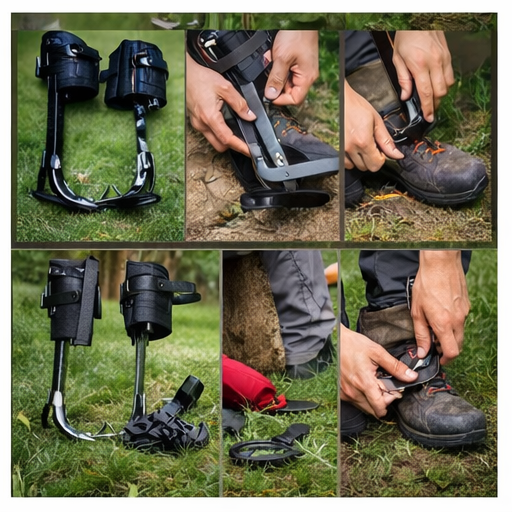
Introduction
Climbing trees requires the right tools for safety and efficiency. But how do you choose the right Tree Climbing Spikes?
In this article, we'll explore the key factors to consider when selecting your climbing spikes. From material choices to comfort, we’ll help you make the best decision for your climbing needs.
Understanding the Different Types of Tree Climbing Spikes
What Are Tree Climbing Spikes?
Tree climbing spikes, also known as spurs or gaffs, are specialized tools used by arborists, tree climbers, and utility workers to ascend trees or utility poles safely. These spikes consist of a metal spike, or gaff, attached to a climbing harness that allows the user to anchor themselves to the tree trunk. The spikes are designed to dig into the tree's bark, providing stability and support while the climber works at height. Typically made from durable materials such as steel or aluminum, these tools are essential for tree maintenance, removal, or pruning tasks.
The primary function of tree climbing spikes is to ensure the climber’s safety and ability to scale trees or poles securely. They allow for a firm grip on the tree’s surface, reducing the risk of slipping or falling while climbing. Spikes are especially useful for accessing the upper parts of trees that would otherwise be difficult to reach with rope systems alone.
Types of Tree Climbing Spikes
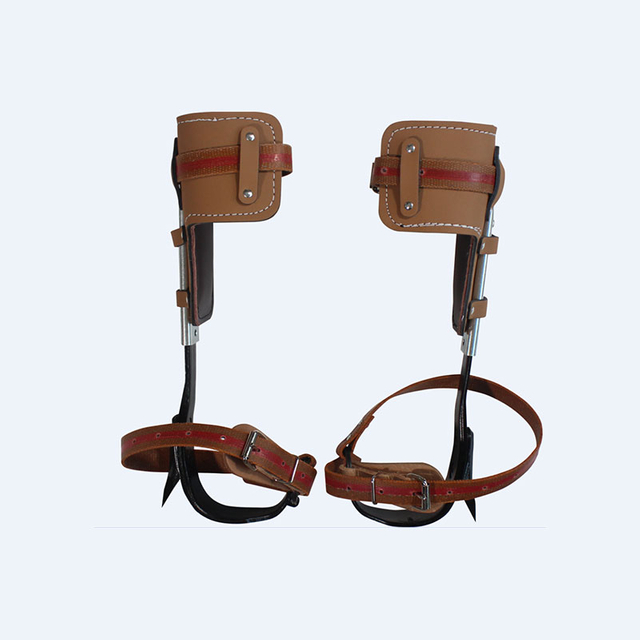
There are several types of tree climbing spikes available, each designed with different materials and features to suit various climbing needs. The type of spike you choose depends on the tree species, the climber’s experience, and the nature of the work.
Material Options for Tree Climbing Spikes
1. Steel Tree Climbing Spikes Steel is one of the most common materials used in tree climbing spikes. Known for its durability, steel provides a strong and stable climbing experience. However, it is heavier compared to other materials, which can lead to increased fatigue during long climbs. Steel spikes are best suited for occasional use or for climbers working on tough trees that require maximum strength.
2. Aluminum Tree Climbing Spikes Aluminum spikes are much lighter than steel, making them an excellent option for professionals who spend long hours climbing. Despite their lighter weight, aluminum still offers good durability and strength, making it suitable for a wide range of tree types. Aluminum spikes are often preferred by climbers looking for a balance between strength and comfort, especially when climbing for extended periods.
3. Carbon Fiber and Titanium Tree Climbing Spikes Carbon fiber and titanium are premium materials that provide extreme lightness and high performance. These materials are ideal for climbers who need to reduce physical strain during long climbs. Carbon fiber spikes are incredibly lightweight but may wear out more quickly than steel or aluminum. Titanium, on the other hand, offers both strength and lightness, making it a top choice for serious arborists. These materials come at a higher cost but are ideal for those who prioritize comfort and performance over price.
Gaff Lengths: Tree, Pole, and Hybrid Gaffs
The gaff, or spike, is the metal component that penetrates the tree bark, providing grip and stability for the climber. Gaff length plays a crucial role in the overall performance of tree climbing spikes, as it determines the depth of penetration and stability.
1. Tree Gaffs Tree gaffs are typically longer, ranging from 2.75 to 3 inches. The extra length allows climbers to grip the tree trunk more securely, especially when working with thick-barked trees such as pines, firs, or redwoods. Longer gaffs are essential for trees with corky or rough bark, as they ensure the climber can anchor deeply into the tree.
2. Pole Gaffs Pole gaffs are shorter, usually around 1.5 to 2 inches. These gaffs are designed for utility poles or trees with thinner bark, such as hardwoods like maple or ash. The shorter length provides better balance and ergonomics, as the climber’s foot stays closer to the tree trunk, offering more control during the climb.
3. Hybrid Gaffs Hybrid gaffs are an intermediate option, typically around 2.25 inches in length. They provide versatility, making them ideal for climbers who work on a variety of tree types. Hybrid gaffs offer a balance between the deep penetration of tree gaffs and the stability of pole gaffs, allowing for flexibility in different climbing situations.
Climbing Tools and Their Function in the Arborist Industry
Tree climbing spikes are part of a larger category of Climbing Tools used by arborists and tree care professionals. These tools are essential for tree pruning, removal, and maintenance, allowing workers to reach high branches safely and effectively.
In addition to climbing spikes, arborists often use ropes, harnesses, and other safety equipment to ensure a secure and stable climbing experience. Climbing tools, including spikes, are integral to the work of tree climbers, helping them perform tasks such as trimming branches, removing deadwood, and even harvesting trees. For climbing to be effective and safe, it’s important that the tools—spikes included—are well-maintained, fit properly, and are selected based on the specific needs of the climber and the tree being worked on.
Key Features to Consider When Choosing Tree Climbing Spikes
Gaff Length: Tree vs. Pole Gaffs
The length of the gaff plays a crucial role in determining the stability and efficiency of your climb. Here's how different gaff lengths affect your climbing experience:
● Tree Gaffs (2.75"–3" long):
○ Use Case: Ideal for trees with thicker, rough bark (e.g., pines, firs, cottonwoods).
○ Benefits: Longer gaffs provide better penetration, ensuring a firmer grip and more stability.
○ Best for: Trees with corky bark or larger trunks where deeper penetration is required for stability.
● Pole Gaffs (1.5"–2.25" long):
○ Use Case: Suitable for utility poles or trees with thinner bark (e.g., hardwoods like maple, ash).
○ Benefits: Shorter gaffs allow for better control and balance since your feet stay closer to the tree trunk.
○ Best for: Thin-barked trees or utility poles where minimal penetration is needed to maintain balance.
● Hybrid Gaffs (~2.25" long):
○ Use Case: Versatile for a variety of tree types.
○ Benefits: Combines the benefits of both long and short gaffs for climbers working on multiple tree species.
○ Best for: Climbers who encounter a wide range of trees and need flexibility.
Gaff Type | Length | Ideal for | Best for |
Tree Gaffs | 2.75"–3" | Thick-barked trees | Trees like pines, firs, and cottonwoods |
Pole Gaffs | 1.5"–2.25" | Thin-barked trees or poles | Trees like maple, ash, and utility poles |
Hybrid Gaffs | ~2.25" | Various tree types | Climbers needing versatility across tree species |
Choosing the Right Gaff Length:
● Long Gaffs: Provide greater stability for large, thick-barked trees but may reduce balance when used on smaller trees.
● Short Gaffs: Offer better control and a more natural climbing stance, ideal for smaller trees or thinner bark.
● Hybrid Gaffs: Great for those who climb a mix of tree types and need versatility.
Material Options for Tree Climbing Spikes
The material of your tree climbing spikes significantly influences their weight, durability, and comfort. Here’s a breakdown of different material options:
Steel Climbing Spikes
● Pros: Durable, affordable, and able to withstand heavy use.
● Cons: Heavier than aluminum and carbon fiber, leading to more fatigue during long climbs.
● Best for: Occasional climbers or those working on tough trees who prioritize durability over weight.
Aluminum Climbing Spikes
● Pros: Lighter than steel while remaining highly durable.
● Cons: Slightly more expensive than steel.
● Best for: Professional climbers or those who need a good balance between strength and weight for extended climbs.
Carbon Fiber and Titanium Climbing Spikes
● Pros: Extremely lightweight, reducing strain and fatigue during long climbs.
● Cons: More expensive and can be less durable than steel.
● Best for: Experienced climbers or professionals who prioritize comfort and performance over cost.
Material | Weight | Durability | Best For |
Steel | Heavy | Highly durable | Occasional use, tough trees |
Aluminum | Light | Durable | Regular climbers, balance of weight and strength |
Carbon Fiber/Titanium | Very Light | Moderate | Professional climbers, comfort-oriented climbing |
When to Choose Each Material:
● Steel: Best for infrequent use, where durability is key.
● Aluminum: Ideal for daily climbers looking for strength without extra weight.
● Carbon Fiber/Titanium: Perfect for professionals or those who climb frequently and want minimal strain.
Shin Pads and Straps
Comfort and fit are essential for a safe and efficient climb. The design of shin pads and straps directly impacts how securely the spikes stay in place and how comfortable the climber feels during use.
Shin Pad Design
● Fixed Pads: Directly attached to the shank of the spike, offering stable support and preventing movement.
● Adjustable Pads: Allow climbers to customize the fit for better comfort, particularly important for climbers with varying leg shapes or preferences.
Why It Matters: Adjustable pads can provide a better fit for climbers with larger calves or those who prefer a more tailored design. Fixed pads, however, offer enhanced stability during climbs.
Straps
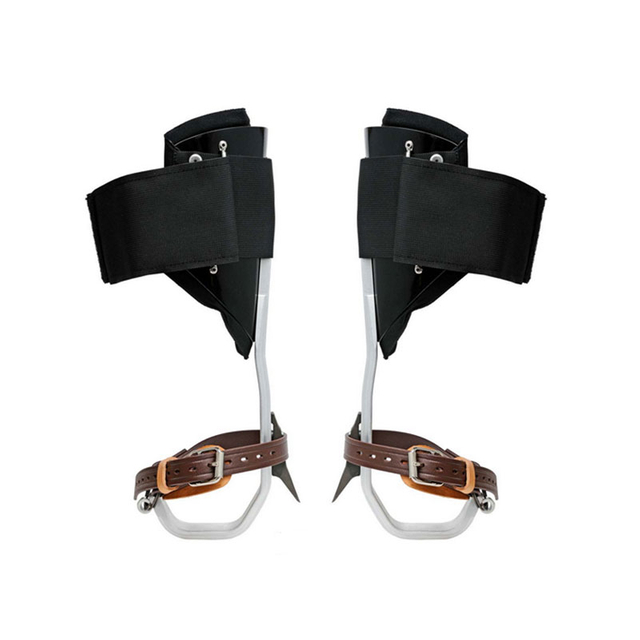
● Velcro Straps: Provide micro-adjustments, making it easy to tighten or loosen the fit while climbing.
● Leather Straps: More durable and long-lasting, but require more effort for adjustment.
Strap Type | Adjustability | Durability | Best For |
Velcro | Quick and easy | Moderate | Climbers who prefer micro-adjustments during climbs |
Leather | Less flexible | High | Climbers needing long-lasting, secure fit |
How to Ensure a Secure and Comfortable Fit:
● Velcro is ideal for those who need to adjust their fit quickly during a climb.
● Leather provides a durable and long-lasting solution, perfect for climbers who want a secure fit that doesn't need constant readjustment.
How to Assess the Quality and Durability of Tree Climbing Spikes
Material Quality
The material used to make Tree Climbing Spikes significantly impacts their longevity, performance, and overall durability. The primary materials used in tree climbing spikes are steel, aluminum, and premium options like carbon fiber and titanium. Each material has distinct advantages and limitations that influence the lifespan of the spikes.
● Steel: Known for its strength and durability, steel is the most traditional material used for tree climbing spikes. It provides long-lasting performance, especially when used in harsh conditions. However, steel is heavier than other materials, which can lead to fatigue during long climbs. Over time, steel can also corrode if not maintained properly, especially in damp or humid environments.
● Aluminum: Aluminum spikes are much lighter than steel, making them a preferred choice for professional climbers who require both durability and comfort. Aluminum is resistant to corrosion and tends to perform well over extended periods, though it may not offer the same sheer strength as steel. For climbers looking for a balance between weight and strength, aluminum is often the material of choice.
● Carbon Fiber and Titanium: Both of these materials are extremely lightweight, reducing strain and fatigue during long climbs. While they offer superior comfort, they are generally more expensive than steel or aluminum. Carbon fiber is highly durable but may wear out faster than steel, while titanium offers a perfect blend of strength and lightness but comes at a premium price. These materials are ideal for frequent climbers or professionals who prioritize comfort and long-term performance.
Choosing the right material depends on your climbing frequency, budget, and the types of trees you will be working on. For occasional use, steel may be sufficient, but for daily or professional use, aluminum or premium materials like carbon fiber or titanium may be a better choice.
Inspecting for Wear
Regular inspection of your Tree Climbing Spikes is essential for ensuring their continued safety and performance. Over time, spikes can experience wear and tear due to the stress of climbing and contact with tree bark. Here are the key areas to focus on when inspecting your spikes:
● Gaff Sharpness: The sharpness of the gaff is critical to its performance. Dull or damaged gaffs can make it difficult to penetrate the tree bark, leading to unstable climbing. To inspect sharpness, gently run your fingers along the edge of the gaff (carefully to avoid injury) or use a tool to check its effectiveness. If the gaff feels dull or struggles to grip the bark, it's time to sharpen or replace it.
● Structural Integrity: Examine the overall structure of the spikes, paying close attention to cracks, bends, or signs of wear. Over time, the constant pressure and impact on the spikes can cause them to weaken. If you notice any cracks in the material or bends in the gaffs, these issues could lead to failure during use. Always check for any visible defects before use.
● Straps and Pads: Inspect the straps that secure the spikes to your legs. Ensure that the straps are tight, intact, and free from fraying or damage. The pads should also be checked for wear, especially if they are adjustable. Over time, pads may lose their cushioning ability, which can affect comfort. If the pads appear flattened or worn, they may need replacement.
● User Tip: Always ensure the gaffs are sharp, straps are secure, and there are no cracks or visible defects on the spikes before use. This simple practice can prevent accidents and ensure your climbing experience is both safe and efficient.
User Tip: Regular Maintenance
To maximize the lifespan of your Tree Climbing Spikes and ensure optimal performance, establish a regular maintenance routine. Inspect the spikes before every use, paying close attention to sharpness, straps, and overall wear. If you notice any signs of damage, it’s crucial to address them before climbing. Proper cleaning and storage are also key to maintaining the spikes' durability. After use, clean the spikes to remove any dirt or sap that could cause rusting or degradation. Store them in a dry, secure place to prevent damage from moisture or harsh conditions.
Comfort and Fit: How to Choose the Right Tree Climbing Spikes for Comfort
Shin Pad Design
When selecting Tree Climbing Spikes, one of the most crucial factors for comfort is the shin pad design. Shin pads provide the necessary cushioning between your leg and the spike, ensuring that the spikes stay secure and do not cause discomfort during long climbs.
● Fixed Shin Pads: Fixed pads are directly attached to the climbing spikes and cannot be adjusted. These pads provide a stable, consistent fit, ensuring the spikes remain firmly in place as you climb. Fixed pads are usually found in heavier-duty spikes and are often preferred by climbers who value stability and simplicity.
● Adjustable Shin Pads: Adjustable pads can be modified to fit different leg shapes and sizes. They offer more flexibility, making them a good option for climbers who may have varying leg sizes or those who prefer a more customized fit. Adjustable pads are typically found in professional-level climbing spikes, where comfort during long climbs is paramount.
The choice between fixed and adjustable shin pads depends on personal preference. Fixed pads are suitable for climbers who prioritize stability, while adjustable pads are better for those seeking a more tailored fit for extended climbing sessions.
Fit and Sizing
Proper fit is essential to ensure that Tree Climbing Spikes provide both comfort and security while climbing. An ill-fitting set of spikes can lead to discomfort, blisters, or even accidents, so it's important to carefully consider the fit and sizing of the spikes before use.
● How to Ensure Proper Fit: To achieve a proper fit, consider the size of your legs and calves. Tree Climbing Spikes should fit snugly around the leg, without being too tight or too loose. Make sure the spike sits comfortably on your leg, with no excessive pressure points or gaps. If possible, try the spikes on with your climbing boots, as these will affect the fit of the straps and shin pads.
● Adjusting Straps for a Secure Fit: Most climbing spikes come with adjustable straps, which allow you to tighten or loosen the fit. Straps should be secured enough to prevent any movement while you climb, but not so tight that they cause discomfort or restrict circulation. Make adjustments periodically during long climbs to maintain comfort and ensure that the spikes stay securely in place.
The key to achieving a good fit is ensuring that the spikes are neither too tight to cause discomfort nor too loose to risk slipping. Pay attention to the fit when climbing with boots, as they can affect how tight or secure the straps feel.
How to Test the Comfort and Fit of Tree Climbing Spikes
Before committing to using Tree Climbing Spikes for a climb, it’s essential to test them for comfort and fit. Testing them before use ensures that the spikes are suitable for your body type and climbing needs.
● Try On and Adjust: Always try the spikes on before a climb, ideally with the boots or gear you plan to wear while climbing. Walk around with the spikes on to test their comfort and make any necessary adjustments. Check for pressure points, tightness, or discomfort, particularly in the shin area, which can affect the overall climbing experience.
● Simulate Climbing Movements: Perform a few simulated climbing movements to check if the spikes stay securely in place. Test the flexibility of the straps and shin pads to ensure that they allow for natural movement without restricting your range of motion.
● Test in Different Positions: Stand in different climbing stances and check if the spikes feel stable and comfortable in those positions. The spikes should provide a firm grip on your legs without causing undue pressure or discomfort when positioned differently during a climb.
If the spikes feel uncomfortable or unstable during testing, it may be worth considering a different design or model. Always prioritize comfort, as discomfort can lead to fatigue, distraction, or even injury during actual climbs.
Conclusion
Choosing the right Tree Climbing Spikes is crucial for safety, comfort, and climbing efficiency. Consider factors like material, gaff length, and shin pad design to ensure the best fit. By selecting the right spikes, climbers can work comfortably and efficiently on various tree types. JITAI Electric Power Equipment Co., Ltd. offers high-quality spikes designed to meet professional needs, providing durability, comfort, and safety for all climbers.
FAQ
Q: What are Tree Climbing Spikes used for in professional tree care?
A: Tree Climbing Spikes are essential tools used by arborists and tree maintenance professionals to safely ascend trees for pruning, removal, or inspection. They provide stability and support while working at height.
Q: How do I choose the right Tree Climbing Spikes for different tree types?
A: The right Tree Climbing Spikes depend on the tree's bark thickness. Longer gaffs are suited for thick-barked trees, while shorter gaffs are ideal for thin-barked trees or utility poles.
Q: What are the maintenance requirements for Tree Climbing Spikes?
A: Regular inspection of Tree Climbing Spikes for wear, including checking gaff sharpness and strap integrity, is crucial for safety and longevity. Clean them after use and store in dry, secure conditions.
Q: Are Tree Climbing Spikes cost-effective for long-term use?
A: While Tree Climbing Spikes made from steel are more affordable, aluminum and titanium options offer longer life and reduced fatigue, making them more cost-effective for frequent, professional use.
Q: What factors impact the comfort and fit of Tree Climbing Spikes?
A: Proper fit is crucial for comfort. Adjustable shin pads, secure straps, and correct sizing help prevent discomfort and injuries during long climbs.


