Electrical grounding is a critical aspect of electrical safety, particularly when working with high-voltage systems. A grounding stick plays an essential role in safely discharging electrical energy and preventing electrical hazards. However, to ensure its effectiveness, it is vital to choose the right grounding stick, which includes the correct length, clamp, and cable rating.
When working in various electrical environments, choosing a grounding stick that fits specific needs is not just about safety; it's about optimizing the tool’s performance for the job at hand. A custom grounding stick can offer tailored solutions, increasing safety and efficiency. This article will explore the key factors to consider when choosing the right grounding stick, including length, clamp type, and cable rating.
1. Understanding Grounding Sticks
What is a Grounding Stick?
A grounding stick is a safety tool used by electrical workers to safely discharge any residual electrical energy in live electrical circuits. The primary function of the grounding stick is to provide a secure path for electrical energy to flow from the system into the ground, neutralizing any dangerous electrical charge before workers begin maintenance or repair tasks.
The grounding stick typically features an insulated handle and a conductive rod made from high-conductivity materials like copper or aluminum. The conductive rod is used to connect to a grounded point, and the insulated handle ensures that the worker does not come into contact with live electricity.
Key Components of a Grounding Stick
Component | Description |
Insulated Handle | The handle is made of durable insulation material that ensures the worker’s safety from electrical shocks. |
Conductive Rod | Typically made from copper or aluminum, this part is designed to safely conduct electrical energy to the ground. |
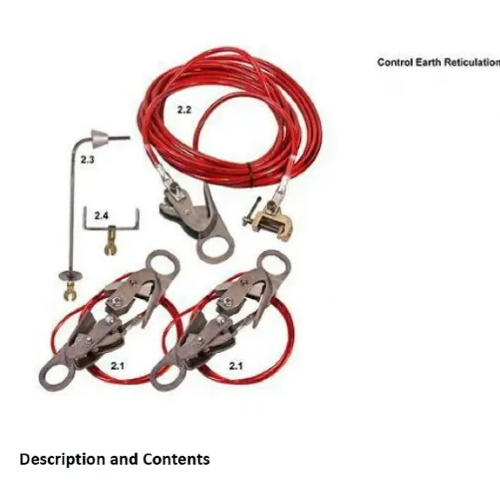
Grounding Clamp | A clamp that secures the grounding stick to the electrical system, ensuring a reliable connection. |
Cable | Often included to connect the grounding stick to a dedicated grounding point, allowing a safe discharge of energy. |
These components work together to ensure the grounding stick performs effectively, preventing electrical hazards during maintenance.
2. Choosing the Right Length for Grounding Sticks
Why Length Matters
The length of a grounding stick plays an important role in ensuring the safety of the worker. A grounding stick that is too short may not allow the worker to reach electrical systems safely, while a stick that is too long could be cumbersome and difficult to manage.
Selecting the Right Length Based on Job Requirements
The length of the grounding stick should be chosen based on factors such as:
Distance from live electrical circuits: Ensure that the grounding stick can reach the electrical system or point that needs to be grounded without the worker coming into contact with live components.
Height of the equipment: For high-voltage lines or elevated equipment, a longer grounding stick may be required to safely ground the system.
Worker safety: The length should allow the worker to stay a safe distance from live equipment, ensuring there is no exposure to electrical energy.
Common Lengths for Grounding Sticks
Grounding sticks typically come in the following lengths:
6 to 10 feet: Suitable for most low-to-medium voltage applications where the electrical components are easily accessible.
12 to 15 feet: Ideal for use with high-voltage systems, particularly in outdoor or industrial environments where electrical components may be located at higher elevations.
Custom Lengths: For specialized tasks, grounding sticks can be custom-made in longer lengths, ensuring they reach high-voltage cables or equipment in specific environments.
3. Choosing the Right Clamp for Grounding Sticks
Types of Clamps
The clamp of a grounding stick plays a critical role in ensuring a secure connection between the grounding stick and the electrical system. There are several types of clamps available, including:
Jaw Clamps: These clamps work by gripping the cable or electrical component, creating a secure connection for grounding. Jaw clamps are commonly used in many applications because they provide a tight grip and are easy to attach.
Bolt-On Clamps: These are often used for heavy-duty applications, providing a strong and stable connection. Bolt-on clamps are ideal for grounding high-voltage cables and equipment.
Spring Clamps: Typically used for temporary grounding applications, spring clamps are convenient for quick connections but may not be as secure as jaw or bolt-on clamps.
Clamp Size and Capacity
The clamp must match the size and voltage requirements of the electrical system it will be grounding. For instance, grounding sticks for high-voltage systems require larger clamps that can handle the increased electrical load, while smaller systems may only require lighter clamps.
Material Considerations
The material used for the clamp is also important for conductivity and durability. Copper and aluminum are the most commonly used materials because they provide excellent conductivity and resistance to corrosion.
Material | Advantages | Disadvantages |
Copper | Excellent conductivity, durable, and corrosion-resistant. | More expensive than other materials. |
Aluminum | Lightweight, highly conductive, and corrosion-resistant. | Less durable than copper, especially under extreme conditions. |
When selecting a clamp, make sure to choose one that meets the voltage and safety standards of your region.
4. Choosing the Right Cable Rating for Grounding Sticks
Cable Material
The material of the cable is one of the most important factors to consider when choosing a grounding stick. The cable should be made of materials that are highly conductive and can handle the electrical load. The most commonly used materials include:
Copper: Known for its excellent electrical conductivity, copper is a popular choice for grounding cables.
Aluminum: Lightweight and cost-effective, aluminum is often used for grounding cables, though it is less conductive than copper.
Cable Rating and Voltage
Each grounding stick is designed to handle specific voltage levels. It is crucial to select a grounding stick with a cable rating that matches the voltage of the electrical system being grounded. Grounding sticks typically come in ratings for medium and high-voltage systems, and it’s important to choose a stick with a higher voltage rating to avoid any risk of electrical shock or malfunction.
Current Handling Capacity
Along with the voltage rating, the cable’s current carrying capacity should also be considered. Grounding cables need to handle the electrical discharge safely without overheating or degrading over time. Ensure that the grounding cable can carry the full electrical load expected from the system.
Cable Type | Voltage Rating | Current Capacity | Typical Applications |
Copper Cable | Up to 35 kV | High capacity, long-term reliability | High-voltage grounding systems, industrial work. |
Aluminum Cable | Up to 15 kV | Lower capacity, suitable for lighter-duty grounding | Lower voltage systems, temporary applications. |
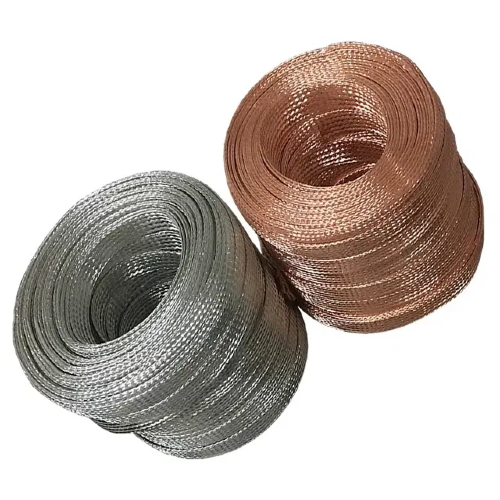
Braided Cable | Up to 60 kV | High flexibility, good for dynamic environments | Outdoor electrical systems, maintenance work. |
Choosing the Right Cable Rating Based on Use Case
When selecting the right cable rating, take into account the following factors:
Voltage of the electrical system: For high-voltage systems, choose cables with a higher voltage rating.
Frequency of use: If the grounding stick will be used frequently, opt for a cable with a higher current capacity to ensure long-term durability.
Environmental conditions: Consider whether the cable will be exposed to outdoor elements, moisture, or high temperatures, and choose cables with appropriate resistance.
5. Safety Considerations When Choosing a Grounding Stick
Compliance with Safety Standards
Ensure that the grounding stick you choose complies with safety standards, such as ASTM, IEC, and OSHA regulations. These standards ensure that the grounding stick meets the necessary criteria for voltage tolerance, material quality, and safety features, making the tool reliable and effective for its intended use.
Insulation and Handle Considerations
The insulated handle is another important safety feature to consider. A grounding stick with a high-quality, non-conductive handle will ensure that workers are protected from electrical shock during use. The insulation must meet the required safety standards and be resistant to extreme temperatures and mechanical damage.
6. The Benefits of Customizing Grounding Sticks
Tailored to Specific Needs
One of the primary advantages of custom grounding sticks is that they can be tailored to meet the specific needs of a job. Customization allows for adjustments in length, clamp type, and cable rating to match the unique requirements of a worksite, whether it’s a high-voltage industrial setting or a routine maintenance job.
Cost-Effectiveness
While custom grounding sticks may have a higher upfront cost, they provide significant long-term value. A well-designed grounding stick that meets specific job requirements reduces the risk of accidents, downtime, and the need for frequent equipment replacements.
Increased Worker Safety
By customizing the grounding stick, workers can use a tool that is optimized for their environment, improving safety and efficiency. Tailoring the grounding stick to specific voltage levels, lengths, and environmental conditions enhances protection, reducing the likelihood of accidents.
7. Conclusion
Choosing the right grounding stick is crucial for ensuring both safety and efficiency in electrical operations. Key factors such as length, clamp type, and cable rating must be carefully considered to match the specific electrical system and job requirements. A well-chosen grounding stick provides reliable performance, preventing electrical hazards and optimizing grounding processes.
At JITAI Electric Power Equipment, we specialize in providing high-quality, custom-designed grounding solutions tailored to meet your specific needs. Whether you're working in high-voltage environments or need specialized grounding tools for unique applications, our team is dedicated to ensuring that you have the right equipment for the job. By customizing grounding sticks to suit particular voltage levels, environmental conditions, and other requirements, we help enhance worker safety and improve the overall reliability of your electrical systems.
If you're looking for expert guidance or want to explore our range of grounding equipment, don't hesitate to contact us. We're here to help you choose the best grounding solutions for your electrical safety needs.
8. FAQ
1. How do I determine the right length for a grounding stick?
The right length depends on the distance between the worker and the electrical system. Consider the height of equipment and ensure the stick allows the worker to stay safely away from live components.
2. What type of clamp should I choose for my grounding stick?
Choose a clamp based on the voltage of the system you are working with. Jaw clamps are ideal for many applications, but bolt-on clamps are preferred for high-voltage systems.
3. How do I know the right cable rating for my grounding stick?
Select the cable rating based on the voltage and current of the system. The cable should be able to handle the expected electrical load without overheating or deteriorating.
4. Can I use a grounding stick on both low and high-voltage systems?
Yes, but ensure the grounding stick is rated for the specific voltage of the system you are working with. Higher voltage systems require grounding sticks with higher insulation and current capacity.
5. Are customized grounding sticks worth the extra cost?
Yes, customized grounding sticks are beneficial in improving safety and performance, especially for specialized tasks. The investment in a properly tailored tool often results in fewer accidents and increased efficiency.


