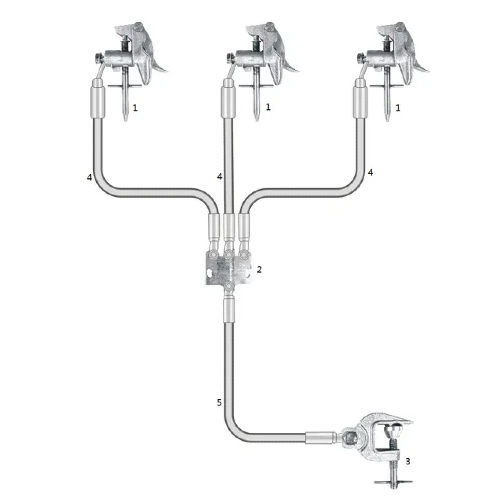
In high-voltage environments, electrical grounding is an essential part of safety procedures. The role of grounding equipment, including grounding sticks, is to protect workers by safely discharging electrical energy from electrical systems. Compliance with internationally recognized standards such as ASTM (American Society for Testing and Materials) and IEC (International Electrotechnical Commission) is crucial to ensure that the equipment is safe, reliable, and capable of performing effectively in diverse working conditions.
This article explores the ASTM and IEC standards, providing a comprehensive understanding of how they relate to grounding equipment, particularly grounding sticks. It will also discuss the key differences between these standards and their implications for electrical safety, product quality, and global market adoption.
1. What Are ASTM and IEC Standards?
ASTM Standards Overview
The ASTM standards are a set of guidelines primarily followed in the United States and North America. They are designed to establish specific performance, safety, and manufacturing criteria for electrical products, including grounding equipment. ASTM standards focus on material specifications, testing procedures, and durability to ensure the safety of electrical tools, especially those used in high-voltage environments.
ASTM standards relevant to grounding sticks include guidelines for:
Insulation strength (to prevent electric shock),
Durability (to withstand harsh conditions),
Electrical conductivity (for ensuring safe discharge of electrical energy),
Clamping systems (to securely connect grounding equipment to electrical systems).
IEC Standards Overview
The IEC, on the other hand, provides global standards that are widely accepted in Europe, Asia, and other regions. The IEC’s role is to create uniformity in electrical systems and ensure that electrical equipment meets specific safety and performance standards for international use. IEC standards address a wide range of electrical components, including grounding systems, and focus on safety measures that are universally applicable across different countries and regions.
IEC standards for grounding sticks include:
Electrical resistance requirements (to ensure that grounding equipment can effectively divert electrical energy),
Temperature tolerance (to handle varying environmental conditions),
Grounding path efficiency (to ensure effective discharge of residual electrical energy),
Design and material specifications (to maintain safety and durability across different global markets).
2. Key Differences Between ASTM and IEC Standards for Grounding Equipment
Understanding the differences between ASTM and IEC standards is critical for manufacturers, electrical engineers, and safety professionals. These differences impact product design, regulatory compliance, and the ability to use grounding equipment in specific regions. Here is a comparison of the most important differences between ASTM and IEC standards.
Scope of Application
Feature | ASTM Standards | IEC Standards |
Geographic Scope | Primarily applied in North America (USA, Canada). | Accepted globally, particularly in Europe, Asia, and Australia. |
Market Focus | Focuses on domestic (North American) markets and regulatory compliance. | Designed for international use across multiple countries, ensuring compatibility. |
Regulatory Compliance | Aimed at meeting local safety and product standards. | Tailored to meet international safety regulations for electrical equipment. |
ASTM standards are more region-specific, primarily focusing on the North American market. In contrast, IEC standards have a broader application, ensuring that grounding equipment complies with global regulations, making it adaptable to different regions.
Testing Procedures and Methods
Both ASTM and IEC standards set guidelines for how electrical grounding equipment should be tested for performance and safety. However, there are differences in the specific testing procedures they follow.
ASTM Testing:
Involves testing for insulation strength, durability under different temperatures, and mechanical properties (e.g., ability to withstand force).
Focuses on product lifecycle testing to ensure that grounding sticks perform reliably over extended periods.
IEC Testing:
Focuses on global safety standards and electrical conductivity testing to ensure that the equipment will meet international safety regulations.
Tests for compatibility with other globally accepted electrical equipment and safety measures.
Both standards require rigorous testing, but IEC standards tend to emphasize global safety compatibility, while ASTM standards are more focused on domestic performance and environmental conditions in the U.S.
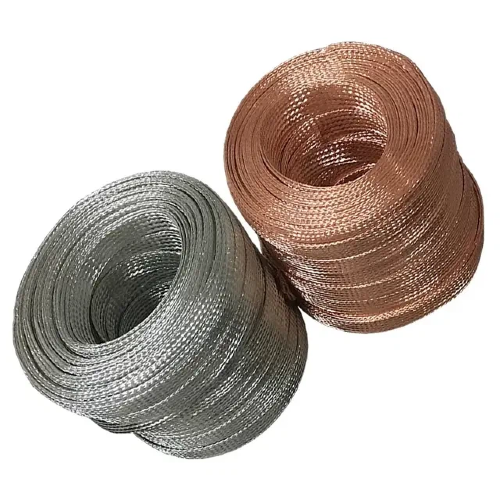
3. Compliance and Certification for Grounding Sticks
ASTM Compliance for Grounding Sticks
In North America, ASTM compliance is crucial for grounding equipment, including grounding sticks. Compliance with ASTM standards ensures that grounding sticks meet the necessary safety requirements for high-voltage work. The certification process for grounding equipment under ASTM typically involves:
Material Certification: Verifying that the materials used in grounding sticks meet the required insulation and conductivity standards.
Safety Testing: Ensuring that the grounding stick can effectively prevent electrical shock and safely discharge energy.
Performance Testing: Ensuring that the grounding stick performs as expected in real-world conditions, particularly in high-voltage environments.
IEC Compliance for Grounding Sticks
IEC certification ensures that grounding sticks comply with global safety and performance standards, enabling them to be used in a wide range of countries. The IEC standards are often more rigorous, ensuring that equipment can withstand different environmental conditions and perform efficiently in various regions.
International Certifications: The IEC 61230 standard, for instance, is widely recognized for ensuring that grounding tools are safe to use on electrical systems.
Safety and Durability: IEC standards test grounding sticks for temperature tolerance, electrical conductivity, and mechanical strength to ensure long-term reliability and performance.
The Importance of Compliance
For both ASTM and IEC standards, compliance is essential to ensure that grounding sticks provide the required protection during electrical maintenance and repairs. Grounding equipment that meets these standards minimizes the risk of electrical hazards, ensuring worker safety and the long-term reliability of electrical systems.
4. The Role of Grounding Sticks in Electrical Grounding Systems
Grounding sticks are integral components of electrical grounding systems. Their primary function is to provide a safe pathway for residual electrical energy to flow into the ground, preventing electrical hazards such as shocks, fires, and equipment damage. Compliance with both ASTM and IEC standards ensures that grounding sticks can be used in various applications globally, enhancing both safety and performance.
Function of Grounding Sticks in High-Voltage Systems
Discharge Residual Energy: Grounding sticks ensure that any leftover electrical charge is safely directed into the ground.
Prevent Electrical Shocks: Grounding sticks minimize the risk of electrocution for workers handling high-voltage equipment.
Protect Equipment: Proper grounding prevents overvoltage and other electrical issues that could damage expensive electrical equipment.
Both ASTM and IEC standards set specific guidelines for ensuring grounding sticks can effectively perform these tasks in different electrical environments, ensuring safe and reliable operation.
5. Impact of Standards on Manufacturing and Industry Best Practices
Manufacturing Considerations
ASTM and IEC standards influence the way grounding sticks and other electrical equipment are designed and manufactured. Manufacturers must adhere to these standards to meet market expectations and safety regulations. This includes using the right materials, ensuring high-quality insulation, and implementing durability tests.
Manufacturers also play an important role in ensuring that grounding equipment complies with the relevant standards before it is shipped to end users. This ensures that electrical workers can trust the quality and performance of the grounding sticks they are using.
Industry Best Practices
The grounding equipment industry relies on ASTM and IEC standards to maintain best practices in electrical safety. These standards guide manufacturers in producing equipment that meets rigorous testing criteria, ensuring both safety and efficiency. Additionally, it helps companies to maintain global compliance for their products, facilitating international trade and adoption.
6. Which Standard Should Be Followed for Electrical Grounding Equipment?
Regional Preferences
Choosing between ASTM and IEC standards often depends on the region in which the equipment will be used. For example, in North America, grounding equipment that meets ASTM standards is generally preferred, while IEC standards are more widely recognized in Europe, Asia, and other parts of the world.
Global Compliance
It is beneficial to choose grounding equipment that complies with both ASTM and IEC standards. This ensures that the equipment will meet safety and performance expectations regardless of where it is used. For international operations, products that comply with both standards are ideal, as they can be easily adopted in multiple regions.
7. Conclusion
In conclusion, both ASTM and IEC standards are essential in ensuring that grounding sticks and other electrical grounding equipment meet the required safety and performance criteria. While ASTM standards are more region-specific, focusing primarily on North America, IEC standards provide a global framework for ensuring that electrical tools adhere to international safety regulations. For manufacturers and electrical professionals, understanding these differences and selecting grounding equipment that complies with both sets of standards is crucial for maintaining safety, reliability, and efficiency in electrical systems.
At JITAI Electric Power Equipment, we specialize in providing high-quality grounding tools that comply with both ASTM and IEC standards. Our products are designed to ensure maximum safety and efficiency for electrical workers around the world. If you need reliable grounding solutions or have any questions about our products, feel free to reach out. Our team is ready to assist you in selecting the right equipment for your needs.
8. FAQ
1. What are the ASTM and IEC standards for grounding sticks?
ASTM standards focus on North American safety and performance criteria for grounding equipment, while IEC standards are globally recognized and focus on international safety regulations.
2. How do I know if my grounding stick complies with ASTM or IEC standards?
Check the product certification or labeling. Certified grounding equipment will display markings indicating compliance with ASTM or IEC standards.
3. What happens if my grounding stick doesn’t meet ASTM or IEC standards?
Non-compliance can lead to ineffective grounding, increased risk of electrical hazards, and failure to meet safety regulations.
4. Which standard should I follow for grounding sticks?
Follow the standard that applies to your region. For North America, ASTM compliance is essential, while IEC compliance is preferred for international use.
5. Can I use a grounding stick that meets both ASTM and IEC standards?
Yes, grounding sticks that meet both standards are ideal for global applications, ensuring consistent performance and safety across regions.


