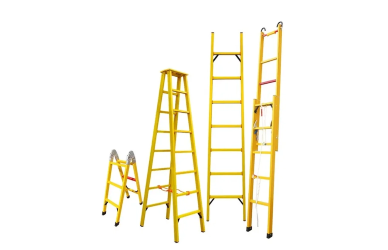
When working around electricity, one wrong move or a moment of carelessness can lead to serious injury—or worse. For electricians, technicians, utility workers, and even DIY enthusiasts, safety must come first. While protective clothing and rubber gloves are obvious safety measures, one critical yet sometimes overlooked tool is the insulated ladder.
At first glance, a ladder might seem like a simple device for climbing. However, when you’re working near live electrical wires or energized equipment, the type of ladder you use could literally save your life. In this article, we’ll explore why insulated ladders are essential when working around electricity, how they are made, what sets them apart from other types, and how to choose and care for the right one.
The Hidden Danger of Conductive Ladders
Many people don’t realize that not all ladders are safe in every situation. Metal ladders, for example, are widely used because they are lightweight and strong. However, they are also excellent conductors of electricity. If a metal ladder comes into contact with a live wire while someone is climbing it, the electricity can travel through the ladder and into the person’s body. This could result in a fatal electric shock, even at relatively low voltages.
Even wooden ladders, which may seem safer, can absorb moisture over time. Wet or damp wood can conduct electricity just enough to be dangerous. This is why fiberglass insulated ladders have become the gold standard for electrical work. Their materials and construction help protect users from unintended electric contact.
What Is an Insulated Ladder?
An insulated ladder is specially designed to reduce the risk of electrical shock. The ladder’s frame is made from fiberglass, a strong, durable, and non-conductive material. Fiberglass doesn't carry electricity, so even if the ladder touches a live wire or circuit, the electrical current is unlikely to reach the user.
Most insulated ladders are tested to withstand high voltages, often up to 35,000 volts. This makes them suitable for a wide range of electrical tasks, from basic home repairs to high-voltage industrial maintenance.
Why Fiberglass Is the Material of Choice
Fiberglass ladders offer several advantages that make them ideal for electrical work:
Non-conductive: Fiberglass does not conduct electricity, unlike metal or damp wood.
Strong and stable: It supports heavy loads and doesn't bend or warp easily.
Resistant to weather and chemicals: Fiberglass doesn’t rust or decay and can be used indoors and outdoors.
Long-lasting: With proper care, fiberglass ladders can last many years without losing their strength or insulating properties.
Because of these qualities, fiberglass insulated ladders are the only type approved for use in most professional electrical work environments.
Who Needs an Insulated Ladder?
If you’re working anywhere near electricity, an insulated ladder is a must. Here are some of the people and professions that rely on them:
Electricians: Whether rewiring a house or installing circuit panels, electricians often work near live wires.
Telecommunication technicians: Climbing poles or working in boxes that may contain electrical components.
HVAC technicians: Handling units powered by electricity, often located at heights.
Maintenance workers: Performing repairs in commercial or industrial buildings with electrical fixtures.
Utility workers: Climbing to reach transformers or overhead lines.
DIYers and homeowners: Replacing light fixtures, ceiling fans, or electrical outlets at home.
Even if you're not a professional, using an insulated ladder when working around electrical systems adds an extra layer of safety you can’t afford to skip.
Where Insulated Ladders Make a Difference
Consider common scenarios where an insulated ladder can prevent serious harm:
Replacing ceiling lights or fans: If the power hasn't been completely shut off or if a hidden wire is energized, a metal ladder could become a shock pathway.
Working in an attic or crawlspace: These spaces often have exposed wires. Fiberglass insulation on the ladder offers a buffer.
Outdoor utility pole maintenance: Wind or water can increase the chance of accidental electrical contact. Insulated ladders reduce this risk.
Commercial electrical installations: In fast-paced environments, mistakes can happen. A ladder that doesn’t conduct electricity helps reduce the consequences.
Insulated Ladder Safety Ratings
Ladders in the U.S. are rated by OSHA (Occupational Safety and Health Administration) and ANSI (American National Standards Institute). Insulated ladders not only meet general safety ratings but also undergo additional tests to prove their ability to resist electrical conductivity.
Look for the following:
ANSI Type IA or IAA rating: Supports 300-375 pounds, suitable for heavy-duty professional use.
Dielectric testing: Most high-quality insulated ladders are tested to resist up to 35,000 volts.
Labeling: Insulated ladders come with clear markings stating they are safe for electrical work.
Always read the manufacturer’s specifications and never assume a ladder is insulated unless it clearly says so.
How to Properly Use an Insulated Ladder
Even the safest ladder becomes dangerous if misused. Here are tips to ensure proper use:
Inspect before each use: Check for cracks, chips, or worn-out sections in the fiberglass. Damaged insulation can reduce safety.
Keep the ladder clean and dry: Dirt, grease, and especially moisture can reduce its non-conductive properties.
Avoid modifying the ladder: Drilling holes or cutting it can destroy the insulating layer.
Set it on a stable surface: A shaky ladder increases the chance of falling or contacting overhead wires.
Don’t overload it: Respect the ladder’s weight rating, which includes your body weight plus tools and materials.
Caring for an Insulated Ladder
To make sure your ladder continues to perform safely, follow these maintenance tips:
Store in a dry, shaded area: Prolonged sun exposure can weaken fiberglass and cause fading or cracking.
Avoid exposure to harsh chemicals: Solvents and industrial fluids can damage the ladder’s insulation.
Clean regularly: Wipe it down after every job, especially if it's been used in dirty or wet environments.
Check insulation regularly: Some fiberglass ladders have visible coating layers that can wear off over time.
By maintaining your ladder properly, you’ll extend its life and keep it safe for use in high-risk situations.
How to Choose the Right Insulated Ladder
Not all jobs require the same kind of ladder. When shopping for an insulated ladder, keep the following factors in mind:
Height: Choose a ladder that allows you to work without standing on the top rung. Overreaching is dangerous.
Style: Step ladders, extension ladders, and platform ladders are all available in insulated versions. Match the ladder type to the job.
Weight capacity: Select a ladder that comfortably supports your weight and gear.
Indoor vs. outdoor use: Some ladders come with extra weatherproofing if they are intended for outdoor tasks.
Always buy from a reputable brand and verify the safety certifications before purchase.
Cost vs. Safety: Why Insulated Ladders Are Worth the Investment
It’s true that fiberglass insulated ladders are usually more expensive than aluminum or wooden ones. But when it comes to electrical safety, cost should never come before protection. Medical expenses, insurance claims, lost time, and worst of all, loss of life, are far more costly than any ladder.
For professionals, having the proper tools also demonstrates a commitment to safety and professionalism. Clients trust contractors who invest in high-quality, safe equipment.
Conclusion: Don’t Risk It—Insulate It
Electricity is invisible, silent, and dangerous. When working near it, you need every possible layer of protection. An insulated ladder might seem like a small detail, but in the wrong situation, it can make a life-or-death difference. Whether you're a seasoned electrician, a facility maintenance worker, or a weekend DIY warrior, the benefits of using an insulated ladder are clear.
When you're working around electricity, you can’t afford to take shortcuts. Using an insulated ladder is one of the smartest, simplest ways to keep yourself safe. It’s not just a good idea—it’s the right thing to do.


