
Introduction
When working with electricity, safety is crucial. Can rubber gloves really prevent electric shock? Rubber is a natural insulator, but not all rubber gloves are suitable for electrical work.
In this article, we will explore the effectiveness of rubber gloves, the risks of non-certified gloves, and how to choose the right electrical gloves.
At JITAI, we provide certified electrical gloves for optimal safety. Learn more about our products.
Why Rubber Matters in Electrical Safety
Rubber is widely known for its non-conductive properties. It is a natural insulator, which means it resists the flow of electricity, making it an ideal material for protective gear in electrical work. However, not all rubber gloves offer this level of protection. Household rubber gloves, such as those used for dishwashing, are not tested or rated for electrical safety. These gloves can be porous, too thin, or made from materials that conduct electricity, putting workers at significant risk.
Electrical insulating gloves, on the other hand, are designed specifically for electrical protection. They are made from high-quality rubber and other insulating materials, offering reliable protection against electrical currents. Such gloves ensure that you can work safely and confidently, preventing the risk of electric shock.
Material | Dielectric Strength | Typical Use Cases | Benefits |
Rubber | 20-50 kV/mm | Insulating gloves, mats, hoses | Effective electrical insulation, flexibility |
Plastic | 15-30 kV/mm | Insulating covers, barriers | Lightweight, easy to shape for custom protection |
Wood | 5-15 kV/mm | Electrical poles, tool handles | Natural insulator, common in outdoor environments |
Ceramic | 20-100 kV/mm | High-voltage insulators | Excellent for high-voltage applications |
Glass | 25-100 kV/mm | Insulating parts in electrical equipment | High dielectric strength, minimal wear |
The Difference Between Household Rubber Gloves and Insulating Gloves
Household Rubber Gloves
Household rubber gloves are designed for basic tasks such as cleaning dishes, washing clothes, or general household chores. While these gloves may provide a basic barrier against water and dirt, they are not suitable for electrical work. They are not rated for electrical insulation and can conduct electricity if exposed to high-voltage currents. Household rubber gloves typically lack the dielectric strength needed to protect against electric shock, which makes them unsafe when working around electrical systems. Even thick rubber gloves designed for industrial cleaning still fall short of providing protection from electrical hazards.

Insulating Gloves
Electrical insulating gloves, on the other hand, are specifically manufactured to protect against electric shocks. These gloves are made from high-quality rubber, designed to resist electrical currents and prevent the flow of electricity through the body. Insulating gloves are rigorously tested and certified to meet strict safety standards, such as ASTM D120 or IEC 60903, ensuring they offer reliable protection in various electrical environments.
These gloves come with specific voltage ratings that range from Class 00 (500V) to Class 4 (36,000V), depending on the type of electrical work being performed. The materials used in insulating gloves are designed to withstand wear and tear while maintaining their protective qualities, making them ideal for electricians, utility workers, and anyone working in environments with electrical hazards. It is crucial to choose the right class of gloves based on the voltage levels of the tasks you're undertaking, ensuring both safety and compliance with electrical safety standards.
How to Choose the Right Electrical Gloves
Check the Class Rating
Electrical gloves are classified according to their voltage rating, ranging from Class 00 (500V) to Class 4 (36,000V). It’s essential to choose gloves that are rated for the voltage level you’ll be working with. The higher the class rating, the more protection the gloves provide.
Voltage Level | Required Class Rating | Common Applications |
Low Voltage (up to 500V) | Class 00/ Class 0 | Appliance repair, low-voltage maintenance |
Medium Voltage (up to 1,000V) | Class 1 | Electricians, general electrical work |
High Voltage (up to 17,000V) | Class 2 | Power lines, substations, power plants |
Extra High Voltage (up to 36,000V) | Class 3/ Class 4 | Transmission line work, heavy-duty operations |
Look for Certification
Electrical insulating gloves must meet specific safety standards, such as ASTM D120 or IEC 60903, to ensure their effectiveness. These certifications guarantee that the gloves have undergone rigorous testing to withstand electrical currents without failure. High-quality rubber gloves designed for electrical work are subjected to these standards, ensuring that they provide reliable protection. Additionally, certifications often include regular inspections and re-certifications, which help ensure that gloves continue to meet the required safety criteria over time. Always check for certification labels when selecting gloves for electrical work to ensure you're using a product that is up to industry standards.
Use Leather Protectors
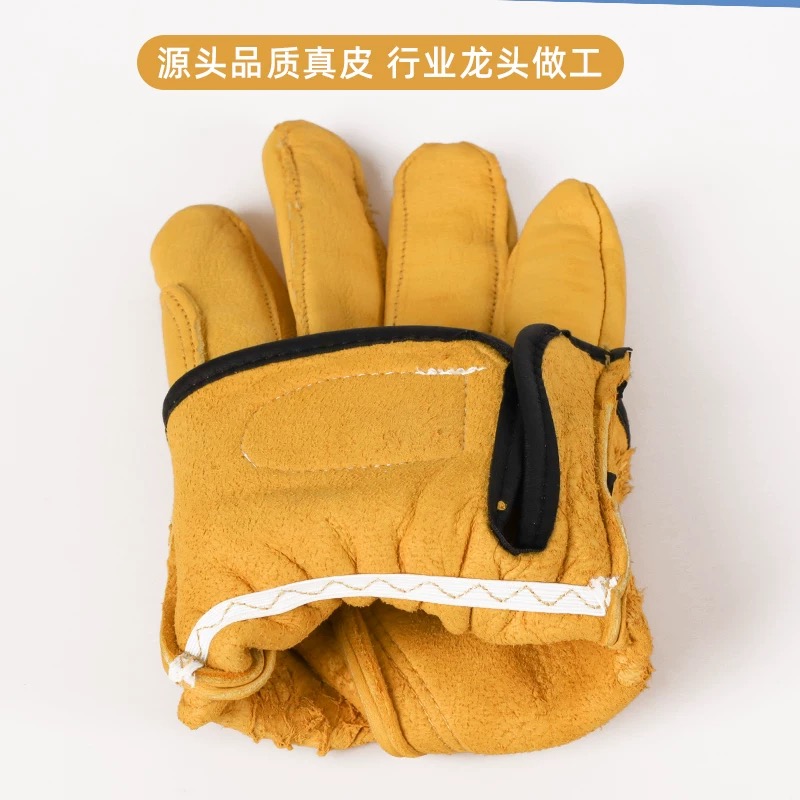
Insulating gloves should always be worn with leather protectors to prevent mechanical damage, such as cuts, abrasions, or punctures, that could compromise their insulating properties. Leather protectors act as an additional layer of defense, safeguarding the rubber gloves from sharp objects and rough surfaces, which might otherwise cause wear and tear. This protective layer helps extend the lifespan of the gloves, ensuring that their insulating capabilities remain intact. Without leather protectors, even small abrasions can lead to serious safety risks, so it's essential to incorporate them into your safety protocol when using insulating gloves.
Inspect Regularly
Before using insulating gloves, always perform a thorough inspection to check for any signs of wear or damage. Even small tears, holes, or abrasions can significantly reduce the gloves' protective qualities, leaving you exposed to electrical hazards. It’s recommended to check for punctures, cuts, discoloration, or signs of aging, which can indicate that the gloves may no longer provide the necessary protection. Gloves made from durable, high-quality materials, when properly cared for, can provide long-lasting protection. However, regular inspections, including testing for electrical integrity, will help maintain their effectiveness and prevent accidents. Always replace damaged gloves immediately to ensure your safety.
Common Myths About Rubber Gloves and Electricity
"Any Rubber Will Protect Me"
This is a dangerous misconception. While rubber does have insulating properties, not all rubber gloves are designed or tested to protect you from electrical shock. Household rubber gloves, even if thick and seemingly durable, are not rated for electrical use. They lack the dielectric strength required to safely handle electrical currents. Only gloves specifically made for electrical work, with proper voltage ratings and certifications, can offer the necessary protection.
"Layering Gloves Will Make Me Safe"
Layering multiple household rubber gloves might give you a false sense of security, but it does not increase safety. This method does not transform regular rubber gloves into insulating gloves. Electrical insulating gloves are made from specific materials and tested to meet rigorous safety standards. Layering household gloves does not provide the proper insulation, and the risk of electric shock remains unchanged.
"Rubber-Soled Shoes Are Enough"
While rubber-soled shoes can provide some insulation from ground contact, they cannot replace the need for proper insulating gloves. Rubber shoes alone do not offer protection against electric shock, especially if you are working with high-voltage electricity. Only electrical gloves rated for the specific voltage you are working with provide reliable protection against electrical hazards.
Final Answer: Will Rubber Gloves Prevent Electric Shock?
Yes, rubber gloves can prevent electric shock, but only if they are specifically designed and tested for electrical protection. Household rubber gloves, such as those used for dishwashing or cleaning, do not offer adequate protection and can be hazardous when used for electrical work. These gloves are not tested to withstand electrical currents and may have small flaws or weaknesses that could compromise safety. It’s essential to use certified electrical insulating gloves, which are designed to meet strict safety standards, and ensure they are rated for the voltage levels you will be working with. Electrical work demands precise, reliable protective equipment to avoid serious injury or even fatal accidents, so always prioritize safety when selecting gloves.
Why Choose Certified Electrical Rubber Gloves?
Certified electrical rubber gloves are critical for protecting workers from electrical hazards. These gloves are made from high-quality, dielectric materials designed to withstand electrical currents and prevent electric shock. Unlike regular rubber gloves, electrical insulating gloves undergo extensive testing to ensure they meet the necessary standards for safety and reliability. Whether for routine maintenance or high-voltage industrial applications, certified gloves are essential for every electrical job.
Electrical rubber gloves come in various classes, each designed for specific voltage levels. They provide maximum protection, comfort, and flexibility, making them perfect for handling both low- and high-voltage tasks. These gloves are not only designed to protect against electric shock but also to offer flexibility, so workers can perform tasks efficiently without sacrificing safety.
With proper care and regular inspection, certified electrical rubber gloves can offer long-lasting protection. Maintaining the integrity of the gloves is crucial to keeping the electrical work environment safe. Regular inspections and using the correct gloves for the voltage at hand will ensure the highest level of protection against electrical accidents.
Electrical Rubber Glove Class Ratings
Class | Maximum Use Voltage (AC) | Typical Applications | Key Benefits |
Class 00 | 500V | Low-voltage maintenance, appliance repair | Lightweight, flexible, ideal for precision tasks |
Class 0 | 1,000V | Electricians, panel work, general industry | Versatile, comfortable fit, great balance of safety & mobility |
Class 1 | 7,500V | Utility crews, industrial maintenance | Higher dielectric protection, ergonomic design |
Class 2 | 17,000V | Power distribution, substations | Durable, resistant to wear, enhanced safety features |
Class 3 | 26,500V | High-voltage line work, transmission systems | Heavy-duty protection, designed for demanding electrical environments |
Class 4 | 36,000V | Extra-high voltage, specialized operations | Maximum dielectric safety, full ergonomic support for workers |
Conclusion
Rubber gloves can prevent electric shock, but only when they are specifically designed and tested for electrical work. Household rubber gloves do not offer adequate protection and can pose a risk. Always use certified electrical insulating gloves with the correct voltage rating for safety.
For reliable protection, choose high-quality electrical rubber gloves made from durable, insulating materials. These gloves provide the necessary safety and comfort for electrical tasks, ensuring peace of mind while you work.
At JITAI, we offer certified electrical gloves to ensure your safety in electrical work.
FAQ
Q: Do rubber gloves prevent electric shock?
A: Rubber gloves can prevent electric shock if they are specifically designed and tested for electrical work. Household rubber gloves are not suitable for electrical protection.
Q: Can I use regular rubber gloves for electrical work?
A: No, regular rubber gloves are not designed to protect against electric shock. You need certified insulating gloves to ensure safety.
Q: How do I choose the right gloves for electrical protection?
A: Look for gloves with the proper voltage rating, such as those certified by ASTM or IEC. Make sure they are made for electrical use.
Q: What should I do if my electrical gloves get damaged?
A: Inspect gloves before use. If damaged, replace them immediately to ensure continued protection from electrical shock.


