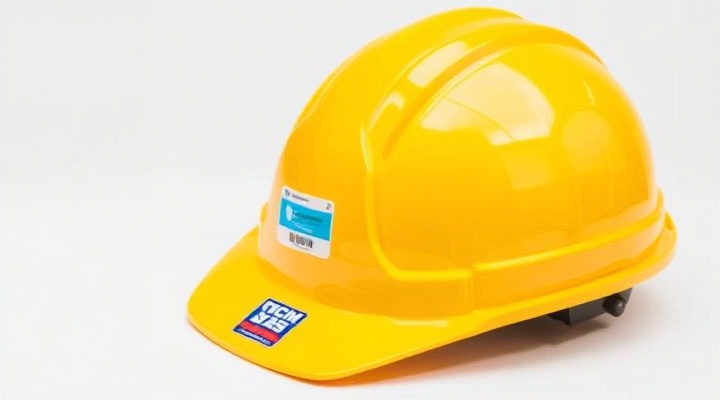
The Role of Hard Hats in Safety
Hard hats serve as essential personal protective equipment (PPE) for engineers and workers in construction and industrial environments. They act as the first line of defense against head injuries caused by falling objects, bumps, electrical hazards, and debris. Wearing a hard hat significantly reduces the risk of serious injury and can save lives on the job site.
In construction and engineering, hard hats protect against unpredictable dangers. For example, engineers working near heavy machinery or overhead work zones face risks from falling tools or materials. The hard hat’s rigid shell absorbs and disperses impact forces, preventing fractures or penetrating injuries to the skull. Inside, suspension systems cushion blows, further reducing trauma.
Hard hats also shield against electrical shocks when designed with non-conductive materials. This feature is vital for engineers working around live wires or energized equipment. By wearing the correct type of hard hat, they minimize the chance of electrical accidents.
Beyond injury prevention, hard hats promote safety awareness. Their visibility signals caution to others nearby, helping maintain safer work environments. They remind everyone on site to stay alert and follow safety protocols.
In summary, hard hats are more than just gear—they are lifesaving tools. They protect engineers from head injuries, reduce workplace accidents, and foster a culture of safety. Without them, risks multiply, and the chance of harm grows.
Color Coding System for Hard Hats
In many industries, color coding hard hats plays a crucial role in safety and organization. This system uses different colors to quickly identify workers' roles, responsibilities, or levels of authority on a job site. It helps supervisors, workers, and visitors recognize who is who, which enhances communication and safety.
Explanation of the Color Coding System Used in Industries
Hard hat colors follow a standardized or company-specific scheme. The goal is to make it easy to spot personnel types at a glance. While no universal color code exists worldwide, many companies and sectors adopt similar schemes based on industry best practices or safety standards.
For example, construction sites often assign colors for different trades or roles. This system can vary by region or company, but the principle remains the same: color equals role.
Different Colors and Their Meanings
Here are some common hard hat colors and typical meanings:
White: Managers, engineers, supervisors, or foremen
Yellow: General laborers or earth-moving operators
Blue: Carpenters, electricians, or technical advisors
Green: Safety inspectors or new workers (trainees)
Red: Firefighters or emergency responders
Orange: Road crews or visitors
Brown: Welders or workers exposed to high heat
Gray: Site visitors or sometimes new hires
These colors help identify who is responsible for what, making it easier to maintain order and safety on busy job sites.
How Colors Aid in Identifying Roles and Responsibilities on Site
Color coding offers several benefits on site:
Quick Identification: Supervisors can instantly spot engineers or safety personnel.
Improved Communication: Workers know whom to approach for specific issues.
Safety Enforcement: Safety officers stand out, helping enforce rules more effectively.
Emergency Response: Emergency teams are easily recognizable during incidents.
Visitor Management: Visitors wear distinct colors to remind workers to be cautious around them.
By visually distinguishing roles, color coding reduces confusion and enhances teamwork.
Common Hard Hat Colors for Engineers
Typical Colors Worn by Engineers
Engineers most often wear white hard hats on construction sites and industrial environments. White signifies leadership roles such as engineers, supervisors, managers, and foremen. This color choice helps distinguish engineers from other workers quickly, especially in busy or hazardous zones. Wearing white reflects authority and responsibility, making it easy for others to identify who oversees technical and safety aspects.
Besides white, some engineers might wear blue hard hats, particularly those involved in technical or specialized engineering roles. Blue often represents electricians, technical advisors, or skilled workers. It can indicate engineers working in electrical or mechanical fields, signaling their expertise and role on site.
Variations in Color Use Across Different Companies and Countries
Hard hat color schemes vary widely between companies and countries. While white is common for engineers in many regions, some organizations adopt unique color codes. For example, certain firms may assign green or gray to junior engineers or trainees. Others might use orange for engineers involved in safety inspections or environmental engineering.
In some countries, local regulations or customs influence color choices. For instance, in parts of Europe or Asia, engineers may wear colors other than white to align with national safety standards or cultural preferences. This variation means engineers should always verify their company’s or country’s specific color policy before choosing a hard hat.
Reasons Behind Specific Color Choices for Engineers
The choice of white or blue for engineers is not random. White stands out against most construction materials and backgrounds, improving visibility. This visibility helps engineers monitor work progress and respond quickly to safety concerns. It also signals their authority, making it easier for workers to approach them for guidance.
Blue conveys technical skill and professionalism, often linked to engineering disciplines requiring specialized knowledge. Using blue helps differentiate these engineers from general supervisors or managers.
Overall, color choices for engineers balance visibility, role identification, and tradition. They support safe site management by clearly marking those responsible for engineering oversight.
Personalization and Customization of Hard Hats
Engineers often personalize hard hats to express individuality or convey important information. Personalization adds character but should never compromise safety or compliance.
How Engineers Personalize Their Hard Hats
Many engineers customize hard hats by adding unique elements such as stickers, decals, or printed logos. These additions help identify departments, projects, or personal achievements. Sometimes, engineers add their names or job titles for quick recognition.
Personalization also boosts morale and pride. Wearing a customized hard hat can make engineers feel more connected to their work and team. It also helps distinguish them when many workers wear similar gear.
Use of Stickers and Decals on Hard Hats
Stickers and decals remain the most popular customization methods. They are easy to apply and remove, allowing engineers to update their hard hats as needed. Companies often use decals to display safety certifications, union membership, or company logos.
However, placement matters. Stickers should avoid critical inspection areas on the helmet shell. Covering too much surface can hide cracks or damage, reducing safety. Experts recommend keeping stickers at least three-quarters of an inch away from edges.
Also, choose stickers with adhesives that won’t harm the helmet material. Most pressure-sensitive stickers are safe and won’t affect protection. Still, regular inspection ensures decals don’t mask wear or cracks.
Pad Printing and Engraving as Customization Options
Pad printing offers a permanent way to add logos or text directly on the hard hat. Unlike stickers, pad printing won’t peel, crack, or fade over time. This method is ideal for company branding or permanent identification.
Engraving is another option, typically done on the underside of the brim. It allows adding serial numbers, names, or other info without affecting helmet strength. However, engraving must be limited to the brim area only. Engraving the crown or shell can weaken the helmet, risking injury.
Before any customization, engineers should consult helmet manufacturers. Some modifications may void warranties or reduce protective capabilities. Always follow manufacturer guidelines to keep safety intact.
Regulations and Standards for Hard Hat Colors
Hard hats must meet specific safety standards and regulations to ensure they protect engineers effectively. These rules often include guidelines about color usage to maintain clarity and safety on job sites.
Overview of Safety Standards Governing Hard Hat Colors
Safety agencies like OSHA (Occupational Safety and Health Administration) in the U.S. and ANSI (American National Standards Institute) set requirements for hard hats. Although these standards focus mostly on impact resistance, electrical insulation, and durability, some include recommendations for color coding.
ANSI/ISEA Z89.1 is a key standard covering hard hats. It classifies helmets by type and class, ensuring they protect against different hazards. While ANSI does not mandate specific colors, many companies adopt color schemes aligned with OSHA’s guidance or industry best practices.
In other countries, standards bodies like CSA (Canadian Standards Association) or EN (European Norms) provide similar regulations. These may include color guidelines to help identify roles on site. Following these standards ensures helmets provide the right protection and help maintain organized, safe workplaces.
Importance of Adhering to Regulations
Adherence to hard hat standards is vital. Using helmets that meet approved safety criteria reduces injury risks and legal liability. Employers must ensure that hard hats are compliant, properly maintained, and worn consistently.
Color coding also plays a role in compliance. When companies follow recognized color schemes, they improve communication and safety management. Workers can quickly identify supervisors, engineers, or safety officers, which helps enforce safety rules and respond to emergencies.
Ignoring regulations or company policies can cause confusion. For example, if engineers wear colors meant for general laborers, it may delay critical decisions or safety interventions. Proper color use supports smooth operations and clear authority lines.
Impact of Non-Compliance on Safety and Operations
Non-compliance with hard hat regulations can have serious consequences. Using uncertified helmets may lead to inadequate protection, increasing injury risk during accidents. This can result in costly medical claims, downtime, and damage to company reputation.
Incorrect color use can hinder site safety. Misidentifying personnel causes communication breakdowns, delays in emergency response, and poor supervision. It may also violate contractual or legal obligations, leading to fines or work stoppages.
For engineers, wearing the correct color hard hat signals their role and responsibility. Disregarding color codes undermines this system and can jeopardize safety culture. Companies that enforce standards and color policies foster safer, more efficient job sites.
Choosing the Right Hard Hat for Engineers
Selecting the right hard hat is crucial for engineers to ensure safety, comfort, and compliance on site. Several factors come into play when choosing a hard hat, from the type of protection needed to fit and maintenance.
Factors to Consider When Selecting a Hard Hat
- Type and Class: Hard hats come in various types and classes based on the hazards they protect against. For engineers, Type I hard hats protect from impacts to the top of the head, while Type II offers protection from lateral impacts as well. Class E (Electrical) hard hats provide insulation from high-voltage electrical conductors, essential for engineers working near electrical hazards. Choose a hard hat that matches your work environment risks.
- Material: Common materials include high-density polyethylene (HDPE) and fiberglass. HDPE is lightweight and durable, while fiberglass offers higher heat resistance. Consider the environment and exposure risks before selecting.
- Suspension System: The suspension inside the hard hat absorbs shocks and distributes impact forces. Options include ratchet, pinlock, or elastic suspensions. Ratchet systems allow easy size adjustments, improving fit and comfort.
- Ventilation: Some hard hats have vents to improve airflow, reducing heat buildup during hot weather. Engineers working outdoors may benefit from ventilated helmets.
- Compatibility: Ensure the hard hat is compatible with other PPE like ear protection, face shields, or safety glasses.
Ensuring Proper Fit and Comfort
A hard hat must fit snugly but comfortably. A poor fit can reduce protection and cause discomfort, leading to improper use.
- Adjust the Suspension: Use the ratchet or pinlock system to size the hat correctly. It should sit level on the head without rocking.
- Check the Chin Strap: Some engineers prefer chin straps for added security, especially in windy or elevated work areas.
- Consider Padding: Additional padding can improve comfort during long shifts.
- Weight: Lighter hard hats reduce neck strain, especially for engineers wearing them all day.
Importance of Regular Inspection and Maintenance
Regular inspection and upkeep keep hard hats effective and safe.
- Visual Checks: Look for cracks, dents, or any signs of damage on the shell and suspension system before each use.
- Cleanliness: Keep the hard hat clean to prevent material degradation. Use mild soap and water; avoid harsh chemicals.
- Replace When Needed: Hard hats have a limited lifespan, usually 3 to 5 years depending on manufacturer guidelines and exposure. Replace immediately if damaged or after a significant impact.
- Storage: Store hard hats away from direct sunlight or extreme temperatures to prevent weakening.
By carefully selecting, fitting, and maintaining hard hats, engineers protect themselves effectively while ensuring comfort and compliance on site.
Conclusion
The article highlights the importance of hard hats in protecting engineers from workplace hazards. It discusses the significance of color coding, with white and blue being common choices for engineers, aiding in role identification and safety. Emphasizing safety, it encourages proper hard hat use to prevent injuries. JITAI offers high-quality hard hats that ensure safety and compliance, providing essential protection and peace of mind for engineers on the job.
FAQ
Q: What color safety helmet do engineers typically wear?
A: Engineers commonly wear white safety helmets, signifying leadership roles such as supervisors and managers on construction sites.
Q: Why is color coding used for safety helmets?
A: Color coding helps identify roles and responsibilities quickly, enhancing communication and safety on job sites.
Q: How can engineers personalize their safety helmets?
A: Engineers can personalize safety helmets with stickers, decals, or pad printing to express individuality and convey important information.
Q: What should be considered when choosing a safety helmet?
A: Consider the type, class, material, suspension system, ventilation, and compatibility with other PPE when selecting a safety helmet.


