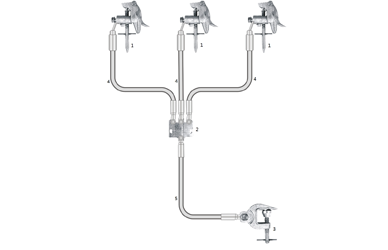
A grounding clamp connects wires to grounding rods or other metal surfaces. You use a grounding clamp to keep electrical systems safe by directing unwanted electricity into the ground. When you pick a grounding clamp, you make sure your project works well and stays safe. Different jobs need different grounding clamps, so you want one that fits your needs. If you skip the right grounding clamp, you might face safety issues or poor performance.
Key Takeaways
Grounding clamps are very important for electrical safety. They send extra electricity into the ground. This stops shocks and fires from happening.
Pick the right grounding clamp for your project. Some jobs need special clamps. Static grounding clamps are good for places with sparks.
The material of the clamp is important. Copper lets electricity flow well. Bronze does not rust as easily. Choose the best one for your area and needs.
Check your grounding clamps often for damage or rust. This keeps them safe and working well for a long time.
Always follow the rules for installing clamps. A tight and correct fit stops static and keeps you safe.
Importance
Electrical safety
When you work with electricity, safety comes first. A grounding clamp helps you stay safe by giving stray electricity a path to the ground. If you touch a wire or metal part that has electricity, the clamp sends that energy away from you. This simple tool can make a big difference in your home or at work.
Grounding clamps create a strong link between your electrical system and the earth.
They keep you safe from shocks by moving extra electricity into the ground.
You lower the risk of fire because the clamp stops energy from building up and overheating your equipment.
You might not see the danger, but static electricity can build up fast. In places where you use paints, powders, or solvents, static can spark and cause big problems. Grounding clamps help stop these sparks before they start.
Safety role of grounding clamp
You use grounding clamps to protect yourself and your equipment. They do more than just connect wires—they keep everything at the same electrical level. This stops dangerous charges from building up.
Grounding clamps help balance the electrical potential between objects and the earth.
They prevent static charges from causing sudden, dangerous discharges.
In factories or workshops, clamps keep equipment safe even when things shake or move.
Here’s how experts check if a grounding clamp works well:
| Test Type | Purpose |
| Electrical Resistance | Clamp must keep resistance below 1 Ohm for a solid connection. |
| Separation Force Testing | Clamp should stay in place during use and not slip off easily. |
| Clamp Pressure Testing | Clamp needs to push through rust or paint to make a good connection. |
| Vibration Testing | Clamp must hold tight even when equipment vibrates or moves. |
Tip: Always check your grounding clamp before you start a project. A good clamp keeps you safe and your equipment running smoothly. ️
Types of Grounding Clamps
Grounding clamp overview
You will find many types of grounding clamps out there. Each one fits a different job or environment. Some clamps work best for pipes, while others connect to rods or even roofing sheets. Here are some main categories you might see in stores or catalogs:
You will also see coil cable assemblies and spiral wire, but the main focus stays on the clamp itself. Picking the right clamp helps you keep your electrical system safe and reliable.
Static grounding clamp
A static grounding clamp helps you control static electricity. You use this clamp in places where static can cause sparks, like paint shops or chemical plants. This clamp has sharp teeth that bite through paint or rust, making sure you get a solid connection. You can trust a static grounding clamp to work in tough environments. It even passes tests for clamp pressure and pull resistance.
| Feature/Use Case | Static Grounding Clamp | Other Clamps (e.g., Alligator Clips) |
| Designed for static dissipation | Yes | No |
| Suitable for harsh industrial environments | Yes | No |
| Ability to penetrate protective coatings | Yes (with sharp teeth) | No |
| Verification of low resistance connection | Yes (FM approved) | No |
| Functional performance testing | Yes (includes clamp pressure, pull resistance) | No |
You want a static grounding clamp when you need to stop static build-up fast and safely.
Ground rod clamp
The ground rod clamp is the most common type you will use for grounding. You use a ground rod clamp to connect a wire to a ground rod. This clamp keeps your system safe by sending unwanted electricity into the earth. You will see a ground rod clamp in homes, factories, and even outside for utility poles. When you pick a ground rod clamp, you need to check if it meets local standards. In North America, the NEC 250.70 standard says your ground rod clamp must be UL-listed and tightened to the right torque. In Europe, IEC 62561-2 asks for copper clamps that can handle salt spray. In Asia-Pacific, AS/NZS 1768 says you need a ground rod clamp with a minimum conductor size and copper for coastal areas.
| Region | Standard | Key Requirements |
| North America | NEC 250.70 | UL-listed clamps, torque values: 25–34 Nm |
| Europe | IEC 62561-2 | Copper clamps for lightning protection, salt spray resistance |
| Asia-Pacific | AS/NZS 1768 | 10mm² minimum conductor size, copper in coastal zones |
A ground rod clamp must connect only one conductor unless it is listed for more. You will find ground rod clamp options made from bronze, brass, or malleable iron. Always check if your ground rod clamp matches the materials of your rod and wire.
Other types
You might need a special clamp for unique jobs. Here are some less common types:
Split connector clamp: Connects cable to earth rods using cable lugs.
Pipe clamps: Grounds metal pipes and keeps everything at the same electrical level.
Roofing sheet clamp: Secures lightning protection conductors to roofing sheets without drilling.
Conductor holding clamp: Holds conductors and air terminals on walls.
Air terminal rod to conductor: Connects air rods to lightning protection systems.
These clamps use high-grade copper alloy or stainless steel. You pick these when your project needs something more than a basic ground rod clamp.
Tip: Always match your clamp to your project. The right ground rod clamp or static grounding clamp keeps you safe and your system strong. ️
Key Features
Material
You want your grounding clamp to last and work well. The material you pick makes a big difference. Copper gives you the best electrical conductivity, so it moves electricity fast and with little loss. Bronze also works well for conductivity, but it stands up better to weather and corrosion. Bronze clamps can last over 50 years in normal conditions. If you need a clamp for a tough job, bronze is a smart choice. Copper works great for high-efficiency jobs, but it can form a layer of oxidation that blocks electricity over time.
Copper: Best for high conductivity, but needs checking for oxidation.
Bronze: Good conductivity and much better at fighting corrosion, so it lasts longer.
Size and compatibility
You need to match your clamp size to your wire and rod. If you use the wrong size, your connection might not work right. A clamp that is too small or too big can cause loose connections, higher resistance, and even safety risks like shocks or fires. Always check the size range before you buy.
| Size Range (Pipe/Rod) | Conductor Size (AWG) | Application Type |
| 1/2 to 3/4 inch / 7/8 to 1 inch | 4 AWG - 2/0 AWG | Grounding for many uses, including fence posts |
Tip: Pick a clamp that fits both your wire and your rod. This keeps your system safe and strong.
Color coding
Color coding helps you spot the right clamp for the job. Some clamps use colored coatings or labels to show if they work indoors, outdoors, or in special environments. You can use color coding to avoid mistakes and make sure you use the right clamp every time. This is extra helpful when you work in big projects or places with lots of different clamps.
Corrosion resistance
You want your clamp to last, even in rain, salt, or chemicals. Many grounding clamps use special finishes to fight rust and corrosion. Bronze with a natural finish gives you great corrosion resistance and keeps electricity flowing well. Some clamps use tin or nickel plating for extra protection in harsh places like near the ocean or in factories. Others use coatings like epoxy or polyurethane for the toughest jobs.
| Treatment Type | Description |
| Natural Bronze Finish | Great for stopping rust and keeping good conductivity. |
| Tin Plated Bronze | Best for marine or chemical areas. |
| Nickel Plated Bronze | Good for high-current jobs and extra wear resistance. |
| Polymer Coating Systems | Top choice for extreme weather or chemical exposure. |
You can use these clamps both indoors and outdoors. They work well in places like power plants, substations, and even near the sea.
How Grounding Clamps Work
Working principle
You may wonder how a grounding clamp works. The main idea is easy to understand. The clamp gives unwanted current a safe way to reach the ground. This helps protect you and your devices from harm.
Here are the main parts and what they do:
| Component | Function |
| Transmit Coil | Sends voltage into the circuit. |
| Receive Coil | Checks the current moving through the circuit. |
| Ohm's Law | Helps find resistance: R (resistance) = V (voltage) / I (current). |
| Ground Electrode | Makes sure the ground resistance is measured correctly. |
| Loop Resistance | The clamp checks the total resistance of the whole path, including all connections. |
A grounding clamp helps control static electricity by letting it flow away. This stops sparks from happening and keeps your area safe. The clamp keeps resistance low, so static electricity does not build up.
Installation basics
Doing the installation right is important for safety. If you skip steps or rush, static electricity can cause problems. Here is how to install a grounding clamp the right way:
Put ferrules into grounding clamps. This keeps resistance low and protects cable ends.
For plain plug ferrule clamps, crimp a ferrule on the cable. Push it all the way in and tighten the j-bolt to 250 in.-lbs.
For threaded ferrule grounding clamps, use all the hardware. Screw the ferrule in fully, then tighten the lock washer and nut to 250 in.-lbs.
If your clamp has drilled holes, put the ferrule in the hole. Add the lock washer and nut above the drilled boss and tighten to 250 in.-lbs.
After you finish, test the grounding set with a tester. Check the DC milliohm resistance and compare it to ASTM F2249 standards.
Tip: Always check your work after you finish. A good installation helps stop static electricity from causing problems.
You want every installation to be strong. This way, you keep static electricity under control and your system safe.
Choosing the Right Clamp
Application needs
You want your grounding clamp to fit your project. Start by thinking about what you need to ground. Are you working on a house, a big building, or a factory? Each place has different grounding needs. For example, a home might only need a simple clamp for a ground rod, but a factory could need clamps that handle lots of wires and heavy equipment.
Check the type of electrical system you have. Some systems need single-conductor connections for strong, stable grounding. Others use multi-conductor clamps to keep things neat and easy to manage. Always match your clamp to your system for the best results.
Here’s a quick table to help you compare some important factors:
| Factor | Description |
| Grounding Electrode Impedance | Electrical codes set a minimum impedance. This changes with soil type and affects grounding. |
| Soil Conditions | Soil with lots of minerals or moisture helps grounding work better. Dry or rocky soil can make it harder. |
| Installation Requirements | You need to space and set your electrodes at the right depth. This keeps grounding safe and strong. |
You also want to think about grounding electrode compatibility. Make sure your clamp matches the rod or plate you use. If you use the wrong materials, you might get poor performance or even safety problems. Always check if your clamp meets standards like IEEE or IEC. These rules help you pick clamps that handle fault currents and keep your system safe.
Environmental factors
Your grounding clamp faces all kinds of weather and conditions. You need to pick a clamp that stands up to your environment. If you work in a wet or salty place, like near the ocean or in a chemical plant, you need a clamp that resists corrosion. Even in dry places, moisture can sneak in and cause rust.
Think about these points when you choose:
Corrosion resistance matters most in moist or chemical-heavy areas.
Moisture can show up even if you think the area is dry. Condensation can cause trouble.
Chemicals in the soil or air can eat away at your clamp if you don’t pick the right material.
You want to use copper for great conductivity. If you need more strength or face harsh weather, stainless steel works well, even if it doesn’t carry electricity as well as copper. Always try to match the clamp material to the rod or wire. This helps stop galvanic corrosion, which happens when different metals touch and start to break down.
Here are some best practices to help you avoid galvanic corrosion:
| Best Practice | Description |
| Material Homogeneity | Use the same type of metal for clamps, rods, and wires when you can. |
| Use of Bimetallic Products | If you must mix metals, pick bimetallic clamps made for that purpose. |
| Avoid Direct Contact | Don’t let different metals touch each other directly. |
Color coding can help you pick the right clamp for the right spot. Some clamps have colored labels or coatings to show if they work indoors, outdoors, or in special places. This makes your selection and installation easier and helps you avoid mistakes.
Safety tips
You want your grounding system to keep you safe every day. Here are some tips to help you get it right:
Always check for safety certifications. Look for UL 467, OSHA, or ASTM F855-20 on the clamp or packaging.
Make sure your clamp fits your wire and rod. A loose clamp can cause poor grounding and even fires.
Use the right tightening force. Too loose means bad contact. Too tight can break the clamp or wire.
Inspect your clamps often. Look for rust, wear, or loose parts. Replace anything that looks bad.
Use protective covers or sealants if your clamp faces harsh weather or chemicals.
You can avoid common mistakes by picking the right materials, tightening clamps just right, and checking your work. If you follow these steps, you boost the ease of installation and keep your grounding system strong.
Tip: Always follow the manufacturer’s instructions for grounding clamp installation. If you’re not sure, ask a professional. Good grounding keeps you and your equipment safe.
When you focus on the right clamp, you make your grounding system safer and easier to install. You also make future checks and repairs much simpler. Remember, the right clamp makes a big difference in both safety and ease of installation.
Picking the right grounding clamp helps keep you safe. It also helps your project work well. You now know why material, size, and corrosion resistance are important. Always pick strong clamps and check your connections often. Here are some good tips:
| Best Practice | Description |
| Use high-quality materials | Makes sure your clamp lasts and works well. |
| Ensure secure connections | Stops problems and keeps you safe. |
| Regular inspections | Lets you find issues before they get worse. |
If your project seems hard, follow local rules and ask an expert for help. You can also find more advice in trusted guides or from professionals.
FAQ
What does a grounding clamp do?
A grounding clamp connects your wire to a metal rod or pipe. This lets extra electricity move safely into the ground. You use it to keep your home or work area safe from shocks and fires.
Can I install a grounding clamp by myself?
You can install a grounding clamp if you follow the instructions. Make sure you connect the wire tightly and push it deep into the ground. If you feel unsure, ask a professional for help.
How do I know if my grounding clamp works?
You can test your clamp with a meter. Check if electricity flows from your wire into the ground. If you see rust or loose parts, replace the clamp. Always keep your ground connection strong.
Where should I place my grounding clamp?
You should place your clamp on a clean metal rod or pipe that goes deep into the ground. Pick a spot close to your electrical panel. Make sure the ground stays dry and free from chemicals.
Why does the ground connection matter so much?
The ground connection keeps you safe. It moves extra electricity away from your devices and into the ground. Without a good ground, you risk shocks, fires, or broken equipment. Always check your ground for safety.


