A come along is a versatile and powerful manual winch that is commonly used for pulling, lifting, and securing objects in a variety of settings, ranging from construction sites to emergency situations. It is a valuable tool for both professionals and DIY enthusiasts due to its efficiency, portability, and ability to apply considerable force in situations where other tools might not suffice. This article will delve into what a come along is, how it works, its common uses, key advantages, important considerations, and frequently asked questions, while also exploring its role in comparison with other tools like winches.
What is a Come Along?
A come along is a hand-operated device designed for pulling or lifting heavy loads using a ratcheting mechanism. Typically made of steel or high-quality metal, it consists of a winch, a long cable or chain, and a handle for manual operation. The term "come along" is often used interchangeably with "manual winch" or "hand winch," although it is specifically designed to work with lower weight loads in many instances.
The primary purpose of a come along is to create enough force to move heavy objects, usually in situations where mechanical or motor-driven devices are impractical. They are often used in situations where precision is required, or where electrical or hydraulic winches might not be available.
The tool operates on a simple mechanical principle, typically involving a ratchet system that allows the user to pull an object with great force, while also enabling the user to lock the object into place once it has been moved to the desired position.
Common Uses of a Come Along
The versatility of a come along means it can be used in a variety of scenarios, both professional and personal. Below are some of the most common applications:
1. Vehicle Recovery
In off-road situations, a come along can be a lifesaver. It is commonly used for vehicle recovery, especially when a vehicle gets stuck in mud, sand, or snow. The user can attach the come along to a nearby anchor point, such as a tree or a stationary vehicle, and use it to pull the stuck vehicle out of a difficult situation. It is an invaluable tool for off-roaders, truckers, and those involved in heavy-duty vehicle towing.
2. Construction and Landscaping
In construction, come alongs are frequently used to move materials such as timber, steel beams, or machinery. It can also be used in landscaping to pull trees into place or secure heavy objects during construction or gardening projects. The come along’s compact design makes it ideal for use in confined spaces where larger machinery might not fit.
3. Tree and Stump Removal
When removing large trees or stumps, a come along can help pull them from the ground. The ratchet mechanism allows for gradual, controlled pulling, which is especially useful when dealing with stubborn or difficult-to-move objects. This makes it a go-to tool for arborists or homeowners removing trees or stumps from their properties.
4. Pulling Fencing or Tensioning Cables
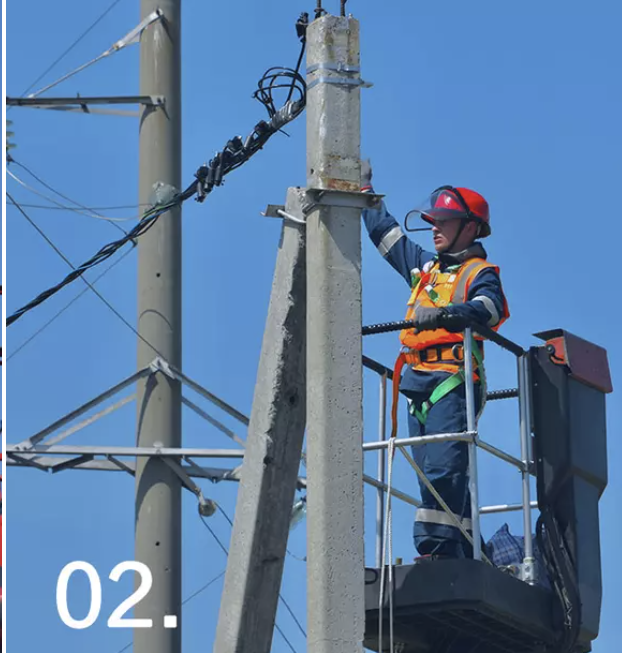
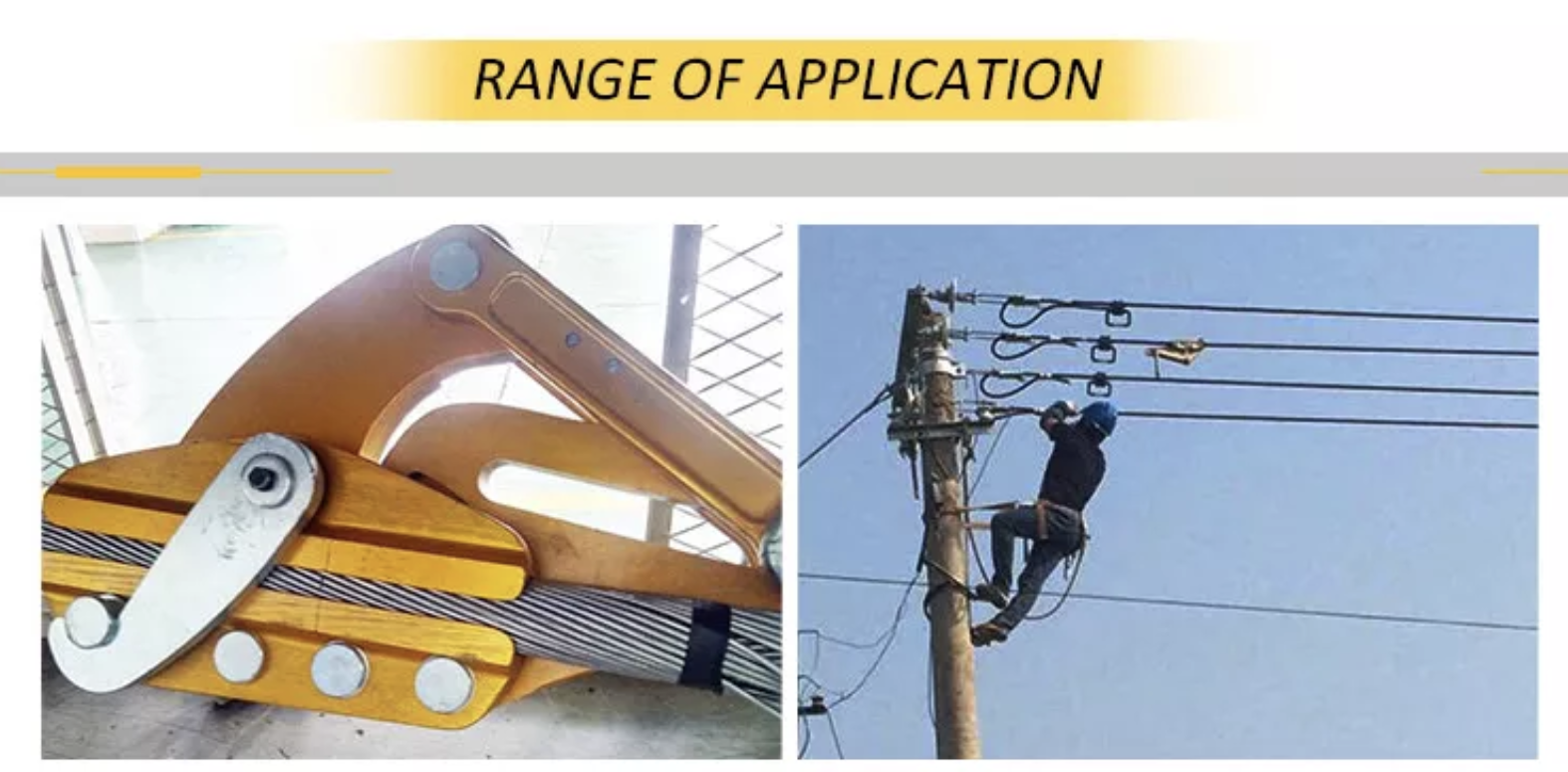
Come alongs are frequently used in fencing applications. Whether you're installing a new fence or pulling wire tight for an electric fence, a come along can provide the necessary force to stretch the wire. Similarly, it’s also handy when tightening cables or ropes in various installations, including bridges and telecommunications poles.
5. Boats and Marine Applications
For marine use, a come along is often used to pull boats onto trailers, load heavy equipment, or for various dockside applications. The manual nature of the device makes it suitable for boat owners and marinas looking to pull or move objects in environments where electric winches are impractical.
How It Works
A come along operates using a relatively simple mechanical system. Here’s how the typical operation of a come along works:
1. Attachment of the Cable or Chain
The first step in using a come along is to attach the cable or chain to the object you want to pull. This can be done by hooking the cable to the object or a suitable anchor point, like a tree, post, or another vehicle.
2. Engaging the Ratchet Mechanism
Next, the operator uses the handle to engage the ratchet mechanism. This mechanism allows the user to pull the load in small increments. The gear system provides enough mechanical advantage to pull heavy objects with relatively little physical effort, though it still requires manual labor.
3. Tightening the Cable
Once the handle is engaged, the user pumps it back and forth. The ratchet mechanism allows the cable to move in one direction (toward the object) while preventing it from moving in the opposite direction. With each movement of the handle, the load is pulled in, allowing the user to gradually move the object.
4. Locking the Load in Place
When the object has been moved to the desired location, the user can lock the ratchet mechanism to secure the load in place. This prevents the object from moving, and the load can be left in position without any further effort.
Key Advantages of Using a Come Along
1. Portability
A come along is highly portable due to its compact size and lightweight design. Unlike large winches or heavy machinery, it’s easy to carry and store, making it perfect for tasks in tight spaces or when working in remote areas. Whether you’re off-roading, handling construction materials, or need it for emergency recovery, a come along is convenient and can be quickly deployed without needing setup.
2. Affordability
Compared to motorized winches and cranes, a come along is an affordable option for those needing occasional pulling or lifting assistance. Its simple design keeps production costs low, making it much more budget-friendly. For homeowners, DIY enthusiasts, and small businesses, it’s an economical solution without the hefty price tag of more complex equipment.
3. Mechanical Advantage
The ratchet and gear system in a come along multiplies the force applied by the user, allowing them to pull or lift heavier loads than they could manage manually. This mechanical advantage makes the tool highly effective for tasks like moving large objects or recovering vehicles, providing substantial force with minimal effort.
4. Safety and Control
The gradual pulling mechanism and ratchet system give the operator excellent control, reducing the risk of sudden jerks that can lead to injury or damage. Additionally, the ability to lock the load in place ensures safety and stability, allowing for precise movements and reducing the chance of accidents during operation.
5. Versatility
A come along is versatile, used in many applications like automotive recovery, construction, and landscaping. Its simple design makes it effective for both everyday tasks and specialized projects, from pulling vehicles to securing equipment, making it a valuable tool for various industries.
Important Considerations When Using a Come Along
While a come along is a useful tool, it’s essential to keep a few considerations in mind when using it:
1. Weight Limitations
Each come along has a specific maximum weight capacity that it can safely handle. Exceeding this weight can result in the tool malfunctioning, such as the gears breaking or the cable snapping, which could lead to serious safety risks. It’s vital to check the weight rating before use and ensure that the load does not surpass this limit. The tool’s capacity is usually marked on the device or specified in the manufacturer's manual. Keep in mind that external factors like friction, angle of the pull, or uneven surfaces can add extra strain, so it’s important to factor these into your calculations. Overloading the tool not only reduces its lifespan but also increases the likelihood of accidents, so always err on the side of caution.
2. Proper Anchoring
Secure anchoring is critical when using a come along. The anchor point, whether it's a tree, a post, or another immovable object, must be strong enough to withstand the pulling force generated by the tool. A weak anchor can cause the come along to slip or the anchor point to break, potentially causing damage to the tool, object, or operator. Before beginning, always ensure that the anchor point is stable and well-secured. Avoid using movable objects as anchors, and choose fixed, heavy-duty points that will not shift under pressure. If you’re unsure, reinforce the anchor point or consider choosing a more reliable one. Proper anchoring is essential for maintaining control and ensuring safety during use.
3. Cable and Mechanism Maintenance
To ensure the longevity and efficiency of your come along, regular maintenance is crucial. Over time, cables can wear down or fray, which reduces their strength and makes them prone to snapping. Similarly, dirt, rust, or debris can interfere with the gears and ratchet mechanism, affecting the performance of the tool. Always inspect the come along before use to ensure the cable is in good condition, and lubricate the mechanism to prevent jamming. Checking the gear system for smooth movement and the handle for any cracks or signs of damage is also essential. Proper care of these components not only extends the life of your tool but also ensures safer operation.
4. Operator Strength
While a come along significantly multiplies the force you can exert, it still requires manual effort. The operator needs to be physically prepared for the task at hand, especially when pulling heavy or difficult objects. Using the come along can be physically demanding, and excessive strain can lead to fatigue or improper use. It’s important to assess whether the task is manageable based on your strength and stamina. Take breaks if necessary and maintain proper body mechanics to avoid injury. If the load is too heavy for one person, consider getting assistance or using a more powerful tool. Being physically prepared and aware of your limits is crucial for safe and effective operation.
FAQ
What’s the difference between a come along and a winch?
A winch is typically a motorized tool that is used to pull heavy objects over long distances, often used in off-roading or industrial applications. A come along, on the other hand, is manually operated and usually best suited for lighter, more controlled tasks. While winches are generally more powerful and faster, come alongs are more portable and affordable.
Can a come along pull a truck out?
Yes, a come along can be used to pull a truck out of difficult situations, such as when it’s stuck in mud or snow. However, the effectiveness of a come along in such a situation depends on the weight of the truck and the strength of the come along.
How much weight can a come along pull?
The weight capacity of a come along typically ranges from 2,000 to 10,000 pounds, depending on the model. Always ensure that the weight of the load does not exceed the rated capacity of the tool to ensure safety.
How do I release a come along?
To release a come along, you typically need to disengage the ratchet mechanism. This allows the cable to be pulled back in the opposite direction. Be sure to follow the manufacturer’s instructions for releasing the tool to avoid damage.
Can you use a come along as a hoist?
Yes, a come along can be used as a hoist in some cases. By attaching the cable to a secure overhead anchor, a come along can help lift heavy objects vertically. However, it is not designed for extended lifting tasks and should be used for short, controlled lifting only.
In conclusion, the come along is an indispensable tool that is not only useful for pulling and lifting heavy objects but also versatile and compact enough to be used in a variety of environments. Whether for vehicle recovery, construction, or landscaping, it is an affordable and efficient solution for tasks that require significant force. By understanding how it works, its advantages, and important safety considerations, users can maximize the value of this essential tool. If you're looking for reliable and high-quality equipment, consider turning to JITAI Electric Power Equipment Co., Ltd. for all your needs.


