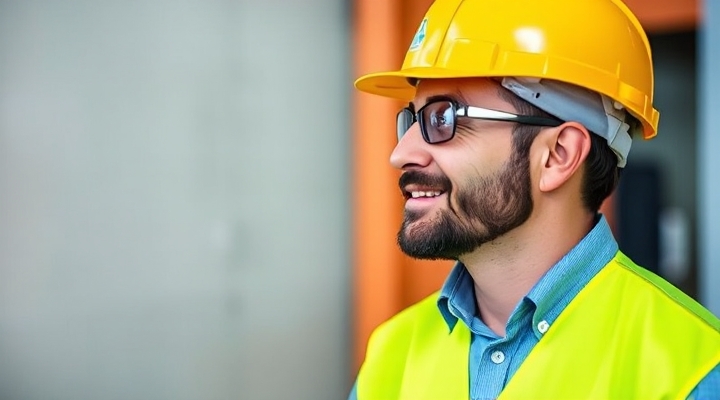
In the bustling world of construction, Safety Helmet are more than just head protection—they're crucial for communication. Ever wondered why helmets come in different colors? The answer lies in their role in identifying roles and responsibilities. In this post, you'll learn about the significance of hard hat colors and how they enhance workplace safety and efficiency.
White Hard Hats
White hard hats hold a special place on construction sites. They are easily spotted from a distance, making it simple for workers to find key personnel when needed. Typically, white hard hats are reserved for managers, engineers, supervisors, and other leadership roles. This color signals responsibility and authority, indicating who oversees the safety and progress of the project.
Managers wearing white hard hats coordinate tasks, ensure compliance with safety regulations, and make critical decisions on-site. Engineers use them to signify their technical expertise and role in planning or inspecting structural elements. Supervisors wearing white hats monitor daily operations and guide workers, helping maintain order and safety.
The use of white hard hats helps everyone quickly identify who is in charge during emergencies or routine work. It also fosters clear communication since workers know exactly who to approach for instructions or assistance. This clarity reduces confusion and boosts overall site efficiency.
In many cases, white hard hats come with additional markings or stickers to denote specific responsibilities, such as safety officers or quality inspectors. These visual cues further enhance role identification and contribute to a safer work environment.
Yellow Hard Hats
Yellow hard hats are the most common on construction sites. They signal general laborers and earthmoving operators, the workers who perform many of the hands-on tasks that keep a project moving. This bright color makes it easy to spot these workers in busy or hazardous areas, helping maintain safety and coordination.
Typical wearers of yellow hard hats include construction laborers, machine operators, and general site workers. These individuals handle tasks such as digging, lifting, and operating heavy machinery. Because their roles often place them near moving equipment or in potentially dangerous zones, the yellow hard hat helps other workers and supervisors identify them quickly.
The use of yellow hard hats also supports clear communication on site. When supervisors see a yellow helmet, they know the wearer is part of the general workforce. This distinction allows supervisors to allocate instructions or safety reminders effectively, ensuring everyone understands their role and responsibilities.
Some companies may add stickers or markings to yellow hard hats to indicate specific certifications or qualifications, like forklift operation or first aid training. These visual cues help enhance safety by identifying workers with specialized skills.
It’s important that yellow hard hats are made from durable materials that meet safety standards. They must protect against impacts, penetration, and electrical hazards where applicable. Wearing the correct hard hat color and type reduces the risk of injury and helps keep the worksite organized.
Blue Hard Hats
Blue hard hats are commonly worn by workers who have technical skills or specialized roles on construction sites. These helmets help identify electricians, carpenters, and other technical specialists quickly, making communication and coordination easier.
Electricians often wear blue hard hats because their work involves handling electrical systems, wiring, and equipment. The blue color signals to others that these workers are skilled in electrical tasks and may need special safety considerations, such as avoiding contact with live wires or equipment. It also helps supervisors spot electricians on site, ensuring they get the right instructions or warnings.
Carpenters also frequently wear blue hard hats. Their tasks involve working with wood and building structures, so the blue helmet distinguishes them from general laborers or other trades. This distinction is important because carpenters may use different tools and work in areas with specific hazards.
Besides electricians and carpenters, other technical advisors or specialists may don blue hard hats. These workers often have expertise that supports the main construction activities, such as technical inspections or quality checks. Wearing blue helps everyone recognize their role and ensures they can be found easily when their input is needed.
Using blue hard hats for technical roles improves site safety by clearly marking who has specialized knowledge. It prevents confusion during emergencies or routine work, as workers know whom to approach for technical guidance. This clarity also helps reduce accidents caused by misunderstandings about who is authorized to perform certain tasks.
Some companies may add stickers or labels to blue hard hats to indicate specific qualifications, like electrical certification or carpentry licenses. These visual cues further enhance safety by quickly showing who is trained for particular jobs.
Brown Hard Hats
Brown hard hats play a crucial role on construction sites where workers face high-heat environments. These helmets are typically worn by welders and others exposed to intense heat or sparks during their work. The brown color helps distinguish these workers from others, signaling the specific risks they face and the protections they need.
Welders often work with torches or welding machines that produce bright light and hot sparks. Brown hard hats are usually made from durable materials like fiberglass or carbon fiber to withstand these conditions. They not only protect the head from impact but also resist heat and prevent burns from flying sparks or hot debris. Some brown helmets come with additional features, such as face shields or attachments that protect the eyes from the welding glare.
Using brown hard hats for high-heat application workers helps maintain safety standards by clearly marking those who require extra caution on site. Other workers can recognize the danger zones and avoid unnecessary exposure to heat or sparks. This color coding also assists supervisors in monitoring safety compliance and ensuring that welders have the correct protective gear.
In addition to protection from heat, these helmets contribute to overall site organization. When everyone knows the significance of brown hard hats, it reduces confusion and improves communication about hazardous areas. Workers wearing brown helmets often follow specialized safety protocols tailored to heat exposure, further enhancing workplace safety.
Green Hard Hats
Green hard hats are important on construction sites, mainly worn by safety inspectors and new hires. This color signals caution and care, helping everyone recognize those responsible for monitoring safety or those still learning the ropes.
Safety Inspectors wear green hard hats to stand out as the people checking that rules and regulations are followed. Their job is to spot hazards, ensure proper safety gear is used, and guide workers to prevent accidents. When workers see a green helmet, they know someone is watching out for their well-being.
New Hires and Trainees also wear green hard hats to alert others that they might need extra help or supervision. This helps experienced workers give them space or assistance when needed. It also reminds everyone to be patient and careful around these individuals as they learn site procedures.
Using green hard hats in safety protocols improves communication on-site. It makes it easier to identify who to approach for safety concerns or questions. Plus, it helps supervisors keep track of new workers and ensure they receive proper training.
Many companies add stickers or badges to green hard hats to show specific safety roles or training levels. These markings help clarify responsibilities even more and support a safer work environment.
In some places, green hard hats also indicate environmental officers or first aiders, highlighting the wearer’s role in health and environmental protection.
Orange Hard Hats
Orange hard hats are essential for workers who need to be highly visible on construction sites. This bright color stands out against most backgrounds, making it easier for others to spot the wearer from a distance or in busy environments. High visibility is crucial in areas where heavy machinery operates or where workers are near traffic.
Typically, orange hard hats are worn by traffic marshals, road crews, and lifting operatives. These workers often perform tasks near moving vehicles or cranes, so their visibility helps prevent accidents. For example, traffic marshals guide vehicles safely through construction zones, relying on their orange helmets to catch drivers' attention quickly. Similarly, road crews working on highways wear orange hard hats to ensure motorists see them clearly, especially in low-light or poor weather conditions.
Orange hard hats also help supervisors and coworkers identify workers who have specific roles related to safety and traffic management. This distinction allows for better coordination and communication on site. For instance, when a supervisor sees someone wearing an orange helmet, they know that person is likely involved in directing traffic or managing vehicle movements.
In addition to color, orange hard hats often meet high-visibility standards, sometimes featuring reflective strips to enhance safety during night shifts or in dimly lit areas. These features comply with regulations from organizations like OSHA and FHWA, which emphasize visibility for workers exposed to vehicle traffic.
By using orange hard hats for these roles, construction sites reduce the risk of collisions and improve overall site safety. It also helps workers feel more secure, knowing they are easily seen by others.
Red Hard Hats
Red hard hats are crucial on construction sites, especially during emergencies. They are primarily worn by emergency personnel and fire marshals. The bright red color makes these workers easy to spot in chaotic or crowded situations, helping others quickly find the right person when urgent action is needed.
Fire marshals wear red hard hats to signal their responsibility for fire safety. They are trained to respond to fire emergencies, conduct drills, and ensure that fire prevention measures are in place. When a fire alarm sounds or a hazardous situation arises, the red hard hat enables workers and supervisors to identify the fire marshal immediately. This quick recognition can save precious time during evacuations or emergency responses.
Emergency personnel, including onsite firefighters or trained first responders, also wear red helmets. Their role is to provide immediate medical aid or manage other emergencies. The red color distinguishes them from other workers, so everyone knows who to approach for help.
Red hard hats often feature additional markings or reflective stickers to enhance visibility, especially in low-light conditions. This added visibility is vital during night shifts or in smoky environments where emergencies might occur.
Using red hard hats for these roles supports clear communication and safety protocols. Everyone on site understands the significance of the red helmet and respects the authority and expertise of the wearer during critical moments.
Conclusion
Hard hat color codes play a crucial role in construction site safety and organization. They help identify roles, ensuring clear communication and efficient operations. Implementing a color code system enhances safety by distinguishing responsibilities and expertise. Companies like JITAI offer durable, high-quality hard hats that meet safety standards, providing essential protection and clarity on-site. Adopting such systems ensures a safer, more efficient work environment, highlighting the importance of role identification and communication.
FAQ
Q: What color safety helmet do engineers typically wear?
A: Engineers usually wear white safety helmets. This color symbolizes leadership and authority on construction sites, making them easily identifiable for their technical expertise and supervisory roles.
Q: Why are safety helmets color-coded on construction sites?
A: Safety helmets are color-coded to help quickly identify workers' roles and responsibilities. This system enhances communication, reduces confusion, and boosts site safety by ensuring everyone knows who to approach for specific tasks or guidance.
Q: How do safety helmets improve site safety?
A: Safety helmets improve site safety by protecting workers from head injuries and facilitating clear role identification through color-coding. This ensures efficient communication and minimizes risks associated with misunderstanding roles.
Q: What features should a safety helmet have for welders?
A: Welders should use brown safety helmets made from heat-resistant materials like fiberglass. These helmets often include face shields to protect against sparks and intense heat, ensuring optimal safety in high-heat environments.
Q: How can you identify a safety inspector on a construction site?
A: Safety inspectors typically wear green safety helmets. This color signals their role in monitoring safety protocols and ensuring compliance with regulations, making them easily identifiable for safety concerns or questions.


