1. Introduction
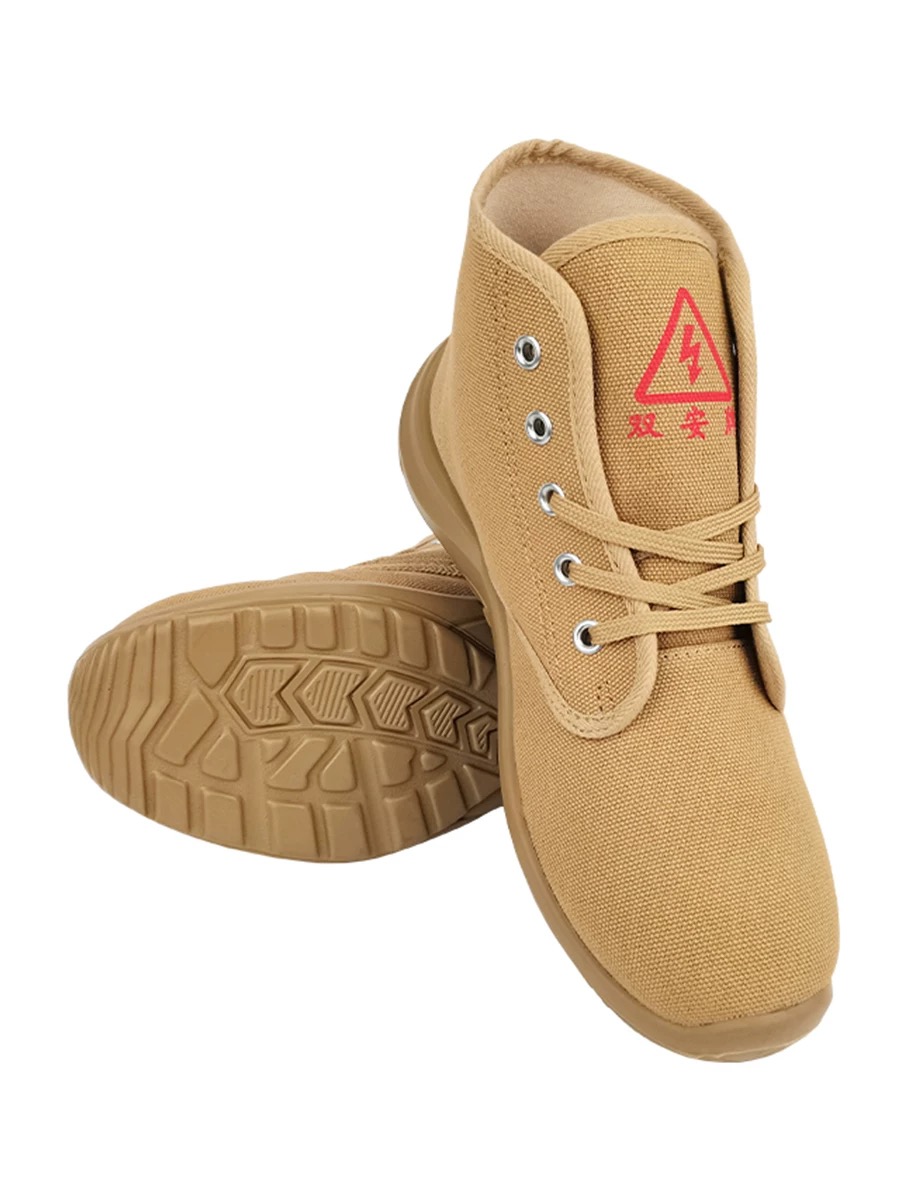
Safety shoes are a vital part of personal protective equipment (PPE) in many workplaces. Have you ever wondered how these shoes help prevent injuries? From construction sites to kitchens, safety shoes protect workers from impacts, slips, and electrical hazards.
In this article, we will discuss the key features, types, and importance of safety shoes. You will also learn how to choose the right pair to ensure comfort and safety.
2. Key Features of Safety Shoes
2.1 Protective Toe Caps
One of the most crucial features of safety shoes is the protective toe cap. This element provides the necessary protection to the toes, especially from falling or rolling objects, which are common hazards in many workplaces. The materials used for the toe cap typically include steel, composite, or alloy, each offering different advantages and protection levels.
| Material | Benefits | Best Use |
| Steel Toe | Durable and robust, withstands heavy impacts | Construction, manufacturing, heavy machinery |
| Composite Toe | Lighter, non-conductive, resistant to temperature | Electrical work, environments with metal detectors |
| Alloy Toe | Lighter than steel but strong, resistant to impact | Construction and general use |
Tip: For environments that require electrical hazard protection, composite or alloy toe shoes may offer the best combination of protection and comfort.
2.2 Puncture Resistance
Puncture resistance is another critical feature in safety shoes. Sharp objects like nails, metal shards, and glass can easily cause foot injuries if stepped on. Safety shoes equipped with puncture-resistant soles use a tough material layer beneath the shoe's insole to prevent such injuries. The protective layer in the sole acts as a barrier, keeping sharp objects from penetrating the shoe and reaching the foot.
This feature is especially important in industries like construction, recycling, and waste management, where workers often encounter rough and hazardous surfaces that may contain sharp objects.
2.3 Slip Resistance
Slip resistance is a vital safety feature for shoes used in wet, oily, or slippery environments. Slips and falls are one of the most common workplace accidents, and slip-resistant outsoles significantly reduce the chances of such incidents. Safety shoes with slip-resistant soles feature tread patterns designed to grip various surfaces, even when they are wet or greasy. These soles are made from rubber or other materials with high friction to enhance traction.
Industries such as food service, healthcare, and manufacturing, where floors often become wet, greasy, or slippery, rely on slip-resistant safety shoes to prevent accidents.
Tip: Choose slip-resistant shoes if your job requires you to work in areas where the floors are frequently wet or greasy, such as in kitchens, factories, or hospitals.
3. Types of Safety Shoes and Their Uses
3.1 Steel Toe Safety Shoes
Steel toe safety shoes are the traditional and most common type of safety footwear. They are designed with a reinforced steel toe cap that provides robust protection against impacts and compression injuries. Steel toe shoes are particularly effective in industries where heavy objects or tools are at risk of falling or rolling onto the feet.
Benefits: Offers superior protection against falling objects and heavy equipment.
Applications: Commonly used in construction, manufacturing, and warehouse settings.
Although steel toe shoes are known for their durability, they can be heavier than composite or alloy alternatives. Workers in industries where mobility and comfort are important may consider switching to lighter options.
3.2 Composite Toe Safety Shoes
Composite toe safety shoes offer a lighter alternative to steel toe shoes without sacrificing protection. Made from materials such as Kevlar, carbon fiber, or plastic, composite toe shoes are non-conductive, making them a good choice for electrical work environments. These shoes are also resistant to extreme temperatures, offering better comfort for workers in hot or cold conditions.
Benefits: Lightweight, non-conductive, and temperature resistant.
Applications: Suitable for electrical environments, metal detectors, and outdoor settings.
3.3 Waterproof and Insulated Safety Shoes
Waterproof and insulated safety shoes are designed for workers exposed to wet and cold conditions. These shoes help keep feet dry and warm, which is essential for preventing frostbite or discomfort in freezing temperatures. Waterproof safety shoes feature sealed seams and water-resistant materials, while insulated shoes have added lining to retain heat.
Benefits: Protects feet from water and cold, reducing discomfort in harsh environments.
Applications: Ideal for outdoor workers, such as those in construction, agriculture, and cold storage.
3.4 Slip-Resistant Shoes
Slip-resistant safety shoes are tailored for environments where there is a risk of slipping, such as kitchens, factories, or medical facilities.
Benefits: Excellent grip, preventing falls in wet or greasy environments.
Applications: Common in kitchens, hospitals, and factories.
4. Why Are Safety Shoes Important?
4.1 Prevent Injuries
Safety shoes are designed to prevent injuries caused by common workplace hazards. They offer protection against falling objects, sharp items, chemicals, and electrical risks. Without the proper footwear, workers are at risk of severe injuries, such as fractures, puncture wounds, and burns, which can lead to lost workdays and reduced productivity.
4.2 Meet Workplace Safety Standards
In many industries, safety shoes are not just recommended—they are required. Various safety standards, such as EN ISO 20345, mandate the use of safety footwear to protect workers from potential hazards. Compliance with these standards helps employers avoid legal issues and demonstrates their commitment to ensuring a safe workplace.
4.3 Improve Comfort and Productivity
Wearing the right safety shoes can significantly improve worker comfort, leading to better productivity. Safety shoes with features like shock absorption, arch support, and cushioning help prevent foot fatigue and discomfort. Workers who are comfortable are more likely to stay focused on their tasks, leading to improved efficiency.
Tip: For those who work long hours on their feet, choose safety shoes with extra cushioning and arch support to prevent fatigue and reduce the risk of long-term foot problems.
5. How to Choose the Right Safety Shoes
5.1 Assessing Workplace Hazards
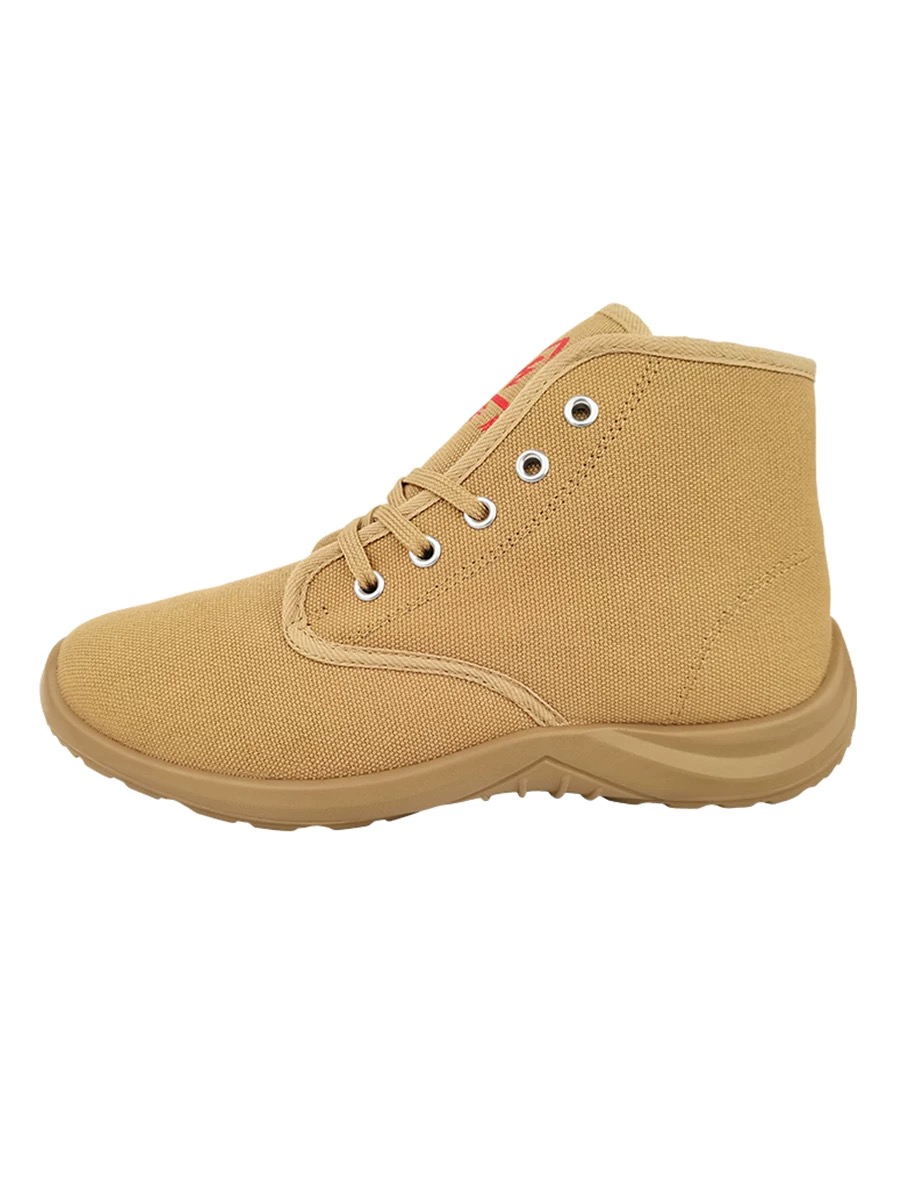
The first step in choosing the right safety shoes is to assess the hazards present in your workplace. If your job involves heavy lifting or working with dangerous tools, you'll need shoes with reinforced toe protection. If you work in an environment with wet or slippery floors, slip-resistant shoes will be essential. Additionally, electrical hazards require shoes with proper EH protection.
5.2 Shoe Material Considerations
Choosing the right material for your safety shoes is essential for ensuring durability and comfort. Leather shoes offer excellent protection and are durable in harsh conditions. Composite and synthetic materials are lighter and provide additional comfort but may not be as durable as leather.
5.3 Fit and Comfort
Proper fit is essential when selecting safety shoes. Ill-fitting shoes can cause discomfort, blisters, or even long-term foot damage. Choose shoes that provide a snug fit around the heel and allow ample space in the toe box for movement. Look for shoes with cushioning and arch support to provide comfort during long shifts.
6. Common Misconceptions About Safety Shoes
6.1 "Safety Shoes Are Too Heavy"
Many workers assume that safety shoes, especially those with steel toe caps, are too heavy to wear comfortably for long periods. While steel toe shoes can be heavier than composite alternatives, newer materials and designs have made it possible to have lightweight yet protective shoes.
6.2 "All Safety Shoes Are the Same"
Not all safety shoes are designed the same. Each type of shoe is tailored to specific hazards, and choosing the right type for your job can make a significant difference in protection and comfort. For example, slip-resistant shoes are essential for kitchens, while insulated shoes are necessary for cold environments.
Conclusion
Safety shoes are vital for workplace protection, preventing foot injuries from falling objects, sharp materials, and electrical hazards. When selecting safety shoes, consider the hazards, materials, and comfort. The right shoes ensure protection, comfort, and productivity.
At JITAI Electric Power Equipment, we provide high-quality safety shoes designed to meet industry standards, offering reliable protection and comfort for various work environments.
FAQ
Q: What are safety shoes?
A: Safety shoes are protective footwear designed to prevent foot injuries in hazardous work environments. They typically feature reinforced toe caps, puncture-resistant soles, and slip-resistant outsoles.
Q: Why are safety shoes important?
A: Safety shoes are important because they protect workers from injuries caused by falling objects, sharp materials, electrical risks, and slips, ultimately enhancing workplace safety.
Q: How do safety shoes protect against electrical hazards?
A: Safety shoes designed for electrical hazard protection feature insulating materials that prevent electric shock, keeping workers safe when handling electrical equipment or working near live circuits.
Q: Are safety shoes expensive?
A: The cost of safety shoes varies based on the materials and features, but investing in high-quality safety shoes is essential for ensuring proper protection and comfort during work.
Q: How do I choose the right safety shoes for my job?
A: To choose the right safety shoes, assess the specific hazards in your workplace, consider comfort features like cushioning, and select shoes with appropriate protection for your environment.


