Electricians face unique daily risks that most people rarely consider. Whether they are working on residential wiring, maintaining industrial systems, or handling high-voltage utility lines, one hazard remains constant: the danger of electrical shock. As they climb, reach, and maneuver around energized equipment, a single misstep can have serious consequences. This is where insulated ladders become critical—acting as one of the most reliable lines of defense between electricians and potentially fatal electrical contact.
This article explores the vital role insulated ladders play in safeguarding electricians at work. We’ll break down what makes these ladders different, how they function, where they’re used, and why every electrician should rely on them. Understanding their benefits helps reinforce just how essential this tool is—not just for compliance, but for everyday safety.
Understanding the Danger: Why Electrical Shock Is a Serious Risk
Electricians often work near or directly on energized circuits, outlets, transformers, and control panels. Electricity travels through conductive materials such as metal, water, and even the human body. If a tool, ladder, or hand inadvertently connects to a live electrical source, the current may flow through the body, leading to burns, muscle damage, nerve injury, or even cardiac arrest.
Unfortunately, some electricians still use traditional metal ladders—often out of habit or because they are lightweight and widely available. But aluminum and steel are excellent conductors of electricity. When used near energized equipment, they become a direct hazard. Even wood ladders, while non-conductive when dry, can absorb moisture and become dangerous in humid or wet conditions.
To eliminate the risks posed by conductive ladders, industry professionals turn to a safer, smarter solution: the insulated ladder.
What Is an Insulated Ladder?
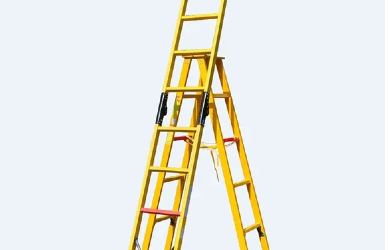
An insulated ladder is a specially designed ladder made from non-conductive materials, typically fiberglass, reinforced with resin. Unlike aluminum ladders, which can easily conduct electricity, fiberglass ladders resist the flow of electric current, significantly reducing the risk of shock when working near live electrical components.
But the insulation isn't just a matter of using non-metal materials. High-quality insulated ladders are carefully engineered and tested to meet strict safety standards. Many are rated to resist electrical conductivity up to 35,000 volts or more. This makes them suitable for everything from low-voltage indoor wiring to high-voltage transmission systems.
How Insulated Ladders Reduce Shock Risk
Insulated ladders function as a physical and electrical barrier between the user and any surrounding sources of electricity. Here’s how they protect electricians on the job:
1. Non-Conductive Material
The fiberglass used in insulated ladders is a poor conductor of electricity. Even if the ladder touches a live wire, the electrical current will not travel through the ladder and reach the user. This protects the electrician from becoming part of the circuit, which is how shock injuries typically occur.
2. Voltage Rating Certification
Each insulated ladder is tested to withstand specific voltage levels. For example, a Class 1A ladder might be certified to handle up to 35,000 volts. This testing ensures the ladder won’t fail or allow current to pass through even in high-voltage settings. Electricians working in commercial, industrial, or utility environments rely on this rating for confidence and peace of mind.
3. Insulation from Ground Contact
When an electrician stands on a ladder and touches a live wire, the current looks for a path to ground. On a metal ladder, that path can go straight through the body. An insulated ladder, however, breaks the circuit, providing no easy route for the current to travel—thereby minimizing the danger.
Applications: Where Electricians Use Insulated Ladders
Residential Jobs
Even in low-voltage residential environments, electricians often need to access ceiling fixtures, fuse boxes, and attic wiring. While it may seem safe, homeowners may forget to shut off the power, or hidden live wires might pose a surprise. An insulated ladder offers vital protection when handling unexpected situations in small spaces.
Commercial and Industrial Work
In commercial buildings and factories, electrical systems are often more complex and powerful. Electricians working in these settings may handle three-phase systems, distribution panels, or high-output machinery. These environments demand ladders that provide both stability and shock resistance. Insulated ladders are commonly used to access overhead fixtures, conduit systems, cable trays, and junction boxes in these challenging settings.
Outdoor Electrical Work and Utilities
When electricians work outdoors on utility poles, transformers, or substations, they are exposed to extremely high voltage. Insulated ladders designed for this type of work often have even higher voltage ratings. They also resist moisture, sunlight, and chemical exposure—factors that can degrade other materials over time. In emergency repairs following storms or power outages, the insulated ladder is one of the most trusted tools for staying safe.
Design Advantages of Insulated Ladders
While their primary benefit is shock protection, insulated ladders offer several other design features that benefit electricians:
Durability: Fiberglass doesn’t corrode, rot, or rust. This makes it ideal for both indoor and outdoor environments.
Stability: Many insulated ladders have wider steps and non-slip feet, providing secure footing even on slick surfaces.
Weather Resistance: Rain, UV light, and temperature extremes don’t affect fiberglass the way they do wood or aluminum.
Chemical Resistance: Unlike metal, fiberglass won’t react with oils, acids, or solvents commonly found on job sites.
These features make insulated ladders an all-around practical choice for demanding electrical work.
Selecting the Right Ladder for the Job
Not all insulated ladders are the same. Electricians must select the right model based on several factors:
Voltage Rating: Always choose a ladder rated for the voltage level of the environment. For high-voltage work, check for ratings of at least 30,000 volts.
Load Capacity: Consider the weight of the electrician plus tools. Industrial models typically support between 300–375 pounds.
Ladder Type: Step ladders are best for interior use, while extension ladders are required for reaching high or outdoor structures.
Height: Select a ladder that allows work at the correct elevation without overreaching. Overreaching can lead to falls and instability.
Certifications: Look for ladders that meet OSHA and ANSI standards for dielectric protection.
Proper Use and Maintenance for Continued Safety
An insulated ladder only provides protection when it is properly maintained and used correctly. Here are important guidelines:
Inspect before use: Always check for cracks, deep scratches, or worn areas. Damage can reduce insulation performance.
Keep it clean: Dirt, grease, or water on the ladder surface can affect its insulating capabilities. Wipe it down regularly.
Store carefully: Keep the ladder in a dry place, away from direct sunlight. Excessive UV exposure over time can weaken fiberglass.
Avoid contact with sharp objects: Tools or debris can scratch the surface, which may compromise insulation.
Do not exceed load capacity: Using the ladder beyond its weight rating can cause structural failure or instability.
When electricians treat their ladders with the same care they give their electrical tools, they enjoy safer, more reliable performance on the job.
Cost vs. Safety: A Worthwhile Investment
Some electricians or contractors may hesitate to buy insulated ladders due to the higher initial cost compared to traditional ladders. But when you factor in the potential consequences of electric shock—hospital bills, recovery time, liability, and even loss of life—the price difference is insignificant.
Insulated ladders offer long-term value. They last for years when maintained properly and provide peace of mind on every job. For professionals whose careers depend on working near electricity, the added protection is not optional—it’s essential.
Conclusion: Insulated Ladders Save Lives
Electricians are experts in managing energy—but that doesn’t mean they are immune to danger. The right tools play a vital role in keeping them safe, and none are more important than a well-built, high-quality insulated ladder. These ladders prevent electrical current from reaching the body, help maintain job site safety, and comply with important safety standards.
From household wiring to complex utility infrastructure, insulated ladders allow electricians to focus on their work without fear of fatal mistakes. They are more than just a piece of equipment—they are a daily shield against one of the job’s most unpredictable hazards.
For professionals committed to working smarter and safer, investing in the best insulated ladder is a step in the right direction.
JITAI Electric Power Equipment Co., Ltd. provides a trusted range of insulated ladders specifically engineered for electrical safety. With a commitment to quality, durability, and protection, JITAI continues to support electricians around the world—making sure they climb safely, every time.


