introduction
Is it safe to use rubber gloves when working with compressed air? This question often arises in industrial and maintenance settings. The force of compressed air can cause severe injuries if proper precautions are not taken. In this article, we will discuss the role of rubber gloves in ensuring safety when using compressed air, and the necessary protective measures to follow. You'll also learn about the risks associated with improper use and how to avoid them.
1. The Role of Rubber Gloves in Compressed Air Safety
1.1 Protection from High-Pressure Air
Rubber gloves are crucial for protecting hands from the powerful force of compressed air. Compressed air, often used for cleaning, tools, or machinery maintenance, can exert dangerous pressure on exposed skin. If not properly protected, a direct blast of compressed air can cause severe injuries such as skin lacerations, abrasions, or even air embolisms (air bubbles entering the bloodstream).
For instance, at a pressure of 40 PSI (pounds per square inch), compressed air can cause skin ruptures, leading to painful injuries and potential complications. These high pressures can lead to tissue damage and even force air into the bloodstream, creating life-threatening conditions. Wearing rubber gloves offers a simple yet highly effective defense, reducing the chance of skin damage when exposed to high-pressure air. The rubber material acts as a shock absorber, absorbing much of the impact of the air.
Moreover, when handling air tools or machinery, the force exerted by the compressed air can reach high levels, especially in industries such as construction, manufacturing, or automotive repair. In these environments, rubber gloves provide essential protection for workers' hands, keeping them safe from the hazardous impacts of unregulated air pressure.
1.2 Preventing Debris-Related Injuries
Flying debris is another major hazard when using compressed air. As compressed air is often used for cleaning surfaces, equipment, or machinery, it can dislodge particles like dust, metal shards, and other debris from surfaces. These particles can travel at high velocities, posing significant risks to exposed body parts, particularly the hands and fingers.
Rubber gloves act as a protective shield, absorbing the impact of these particles. Workers handling compressed air tools without gloves risk cuts, bruises, or puncture wounds caused by these objects. The flexible yet sturdy nature of rubber ensures that even small, sharp objects are deflected, preventing injuries that could occur from careless air handling. Additionally, rubber gloves provide a layer of comfort, cushioning the hands against vibrations from pneumatic tools, which is particularly beneficial during long working hours.
In environments such as woodworking shops or metalworking factories, where the presence of flying debris is constant, rubber gloves are indispensable. They not only prevent injuries but also protect workers from repetitive strain and vibrations that can lead to hand fatigue and long-term damage.
1.3 Why Rubber Gloves Are Preferred Over Other Materials
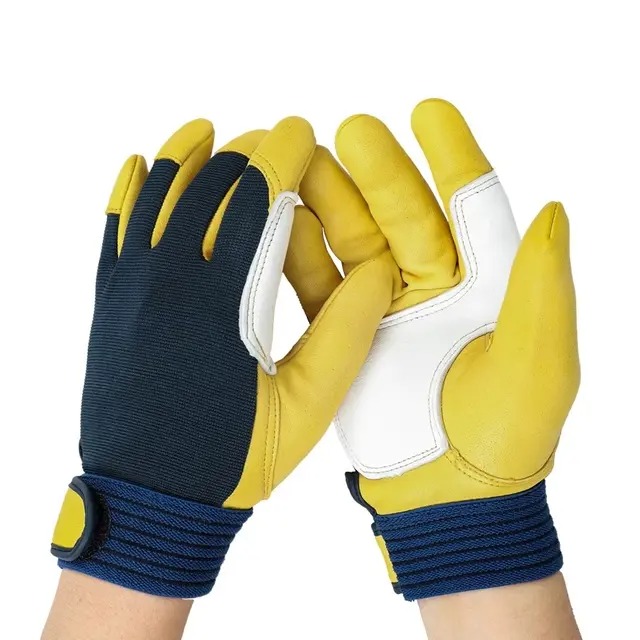
While other materials such as leather or cloth are commonly used in various protective gloves, rubber gloves are generally considered the superior choice when dealing with compressed air. Rubber offers several advantages over alternative materials:
| Feature | Rubber Gloves | Leather Gloves | Cloth Gloves |
| Flexibility | High flexibility, better fit | Moderate flexibility | Low flexibility |
| Durability | Very durable and abrasion-resistant | Durable but less flexible | Less durable, prone to wear |
| Chemical Resistance | Resistant to many chemicals | Limited chemical resistance | Limited chemical resistance |
| Waterproof | Waterproof, ideal for wet environments | Not waterproof | Not waterproof |
2. Potential Hazards of Using Compressed Air Without Gloves
2.1 Serious Injuries from Air Pressure
One of the most significant dangers of compressed air is the potential for severe physical injury caused by the force of the air. When compressed air is directed at the body, particularly unprotected areas like the hands, it can cause severe damage. At pressures as low as 12 PSI, compressed air can blow out an eye, while 40 PSI can cause skin rupture or tissue damage.
Even more alarming, when compressed air enters the body through an open wound or skin exposure, it can lead to air embolism, a life-threatening condition. Air embolism occurs when air is forced into the bloodstream, potentially causing severe injury to organs like the heart, lungs, or brain.
Wearing rubber gloves helps mitigate this risk by preventing direct contact between the skin and the compressed air, thereby reducing the chances of such serious injuries. Gloves provide a barrier that ensures the skin remains safe, even in high-pressure environments.
2.2 The Dangers of Flying Objects
As mentioned earlier, debris can become airborne when compressed air is used. These particles may range from small dust specks to larger fragments of metal or plastic. Without proper protection, the hands are vulnerable to cuts, punctures, and abrasions caused by these objects.
In industries that use compressed air to clean machinery, industrial surfaces, or vehicle parts, the risk of flying debris is particularly high. A worker's hands can easily be cut or punctured if gloves are not worn. Moreover, flying debris can cause secondary injuries, such as eye damage, when workers fail to wear proper eye protection. Rubber gloves, therefore, serve as a crucial part of the PPE (Personal Protective Equipment) needed to maintain safety.
2.3 Health Risks of Inappropriate Safety Gear
Using improper safety gear in environments involving compressed air can significantly increase the risk of injury. For example, using poorly fitted gloves or gloves made from inappropriate materials can leave certain parts of the hand exposed to high-pressure air. This inadequate protection can lead to skin irritation, burns, or worse—serious injuries from air exposure.
When using rubber gloves, it's essential to ensure they fit properly and are made from a high-quality material designed for industrial use. Gloves that are too loose can allow air to slip through the gaps, while overly tight gloves can reduce dexterity, making it difficult to handle tools effectively. Selecting the correct glove material and size is paramount in ensuring protection from compressed air hazards.
2.4 Other Essential Safety Gear for Using Compressed Air
In addition to rubber gloves, other protective gear must be worn when using compressed air:
Safety goggles: Protect the eyes from flying debris and pressure-related injuries.
Hearing protection: High-pressure air tools generate significant noise, which can lead to hearing damage over time.
Steel-toed boots: Safeguard the feet from dropped tools or equipment, as well as flying debris.
Face shields or full-body aprons: In some cases, additional protection for the face and body is necessary, particularly in high-risk environments like construction or metalworking.
4. How to Properly Use Rubber Gloves for Compressed Air Work
4.1 Choosing the Right Gloves for Compressed Air
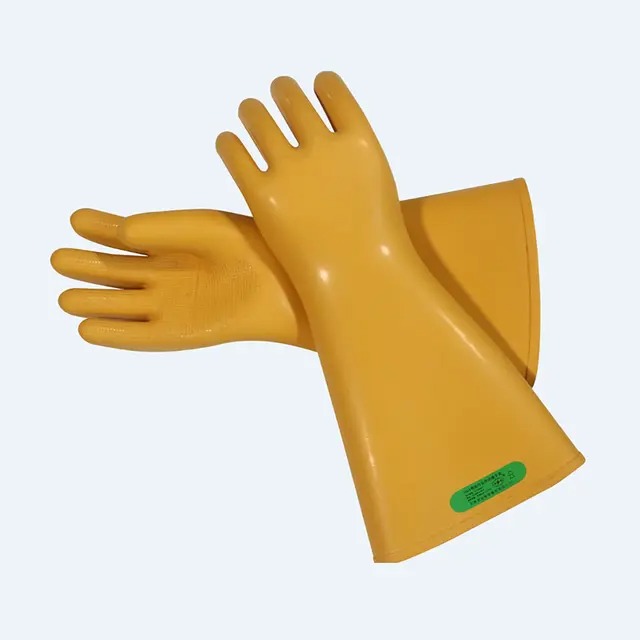
When selecting rubber gloves for compressed air work, consider the material’s durability and the glove’s fit. Thicker gloves offer more protection, but they can reduce dexterity, making it harder to handle tools. Look for gloves that are specifically designed for pneumatic work, as these gloves are engineered to resist air pressure and provide maximum protection.
Rubber gloves with reinforced palms or additional layers on the fingers can offer extra durability and protection, especially for tasks involving heavy-duty tools or machinery.
4.2 Correct Use and Maintenance of Gloves
Proper maintenance of rubber gloves is critical to ensuring their effectiveness. Regularly inspect gloves for any signs of wear, punctures, or tears. If any damage is detected, replace the gloves immediately to avoid exposure to risks.
After each use, clean gloves according to the manufacturer’s instructions to remove any dirt or contaminants. Store them in a cool, dry area to prevent deterioration, especially in environments with high humidity or extreme temperatures.
4.3 Avoiding Misuse of Compressed Air
Never use compressed air on the body, skin, or clothing. The force of compressed air can cause severe injuries, including internal damage to organs or even death if air is forced into the body through the skin. Furthermore, avoid pointing air guns at other individuals, as this can cause similar injuries to the face, eyes, or ears.
Ensure that rubber gloves are always worn when handling compressed air equipment, and remind workers to follow all safety guidelines to prevent misuse.
5. Other Safety Practices When Working with Compressed Air
5.1 Inspecting and Maintaining Air Equipment
Before using any air compressor or pneumatic tool, inspect all components for damage or wear. Check hoses, fittings, and nozzles to ensure they are securely connected and rated for the required pressure. Regular maintenance can prevent accidents caused by faulty equipment.
Tip: Create a checklist for regular equipment inspection to keep track of maintenance and ensure that all parts are functioning safely.
5.2 Proper Workspace Setup and Environmental Considerations
To further reduce the risks associated with compressed air, ensure that the workspace is set up safely. Keep the area clean, organized, and free from obstructions that could cause accidents. Adequate ventilation is crucial to prevent the accumulation of harmful fumes or gases when using compressed air equipment.
5.3 Training and Preparedness for Workers
Proper training is essential for anyone operating compressed air tools. Workers should be familiar with how to handle equipment safely, recognize potential risks, and follow proper safety protocols. Regular training sessions help keep safety practices fresh in the minds of employees and ensure that they are ready to act in emergencies.
Conclusion
Wearing rubber gloves is essential for protecting hands when using compressed air. The gloves act as a barrier against high-pressure air and flying debris, reducing the risk of injury. Always prioritize safety by using rubber gloves with other required PPE, following safety regulations, and maintaining equipment. JITAI Electric Power Equipment offers high-quality protective gear, ensuring maximum safety in industrial environments and helping workers stay protected while handling compressed air.
FAQ
Q: Why should I wear rubber gloves when using compressed air?
A: Rubber gloves protect your hands from high-pressure air, flying debris, and potential injuries, ensuring safety in industrial environments.
Q: Are all gloves suitable for compressed air work?
A: No, rubber gloves are preferred over other materials like cloth or leather due to their flexibility, durability, and resistance to air pressure.
Q: How do rubber gloves prevent injuries from compressed air?
A: They provide a barrier that reduces direct skin contact with high-pressure air and protects against cuts from flying debris.
Q: Can rubber gloves handle high-pressure air safely?
A: Yes, rubber gloves are specifically designed to offer protection when handling compressed air, preventing injuries caused by air pressure.


