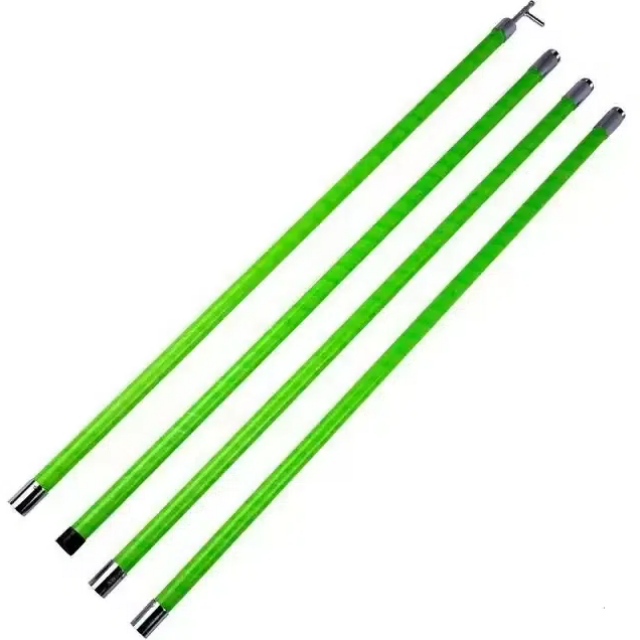
Handling electrical equipment at high voltage levels requires not only the right tools but also the right knowledge. Owning a hot stick is not enough—understanding how to use a hot stick correctly is essential for worker safety and for keeping power systems running without unnecessary risks. At JITAI, we emphasize that proper use goes hand in hand with our dedication to quality products, ensuring linemen and technicians can trust their equipment every time it is in use. Beyond the technical details, knowing the correct procedures allows operators to gain confidence and efficiency in their daily work.
Pre-use Inspection Checklist
Before operating any hot stick, the first priority is inspection. This step ensures the tool’s insulating properties remain intact and ready for safe use. A thorough pre-use check helps avoid unseen hazards that may lead to dangerous situations in the field. Many experienced linemen treat this inspection as second nature, but new operators should also build this habit consistently.
Checking for cracks or contamination
Every hot stick should be carefully examined for physical damage before use. Cracks, chips, or surface wear can compromise its insulating capability. Contamination is another risk factor—dirt, grease, or moisture can reduce dielectric strength. Wiping down the stick with approved cleaning materials ensures that its protective qualities remain reliable. Linemen who work in varying climates should pay particular attention after rain, snow, or dusty conditions. Even a small amount of residue can make a difference in performance.
Ensuring tip and attachments are secure
Hot sticks often require specialized attachments such as hooks, cutters, or testers. It is critical to confirm that these attachments are firmly locked into place before approaching live lines. Loose connections may slip during operation, increasing the chance of losing control or damaging the equipment. A quick manual check helps confirm stability before performing any live-line work. Secure attachments also help prevent unnecessary strain on the user, since unexpected movement may cause accidents.
Confirming test date and certification
Every hot stick must meet industry testing and certification standards. Regular dielectric testing verifies that the stick still insulates effectively at its rated voltage. Operators should always check the inspection label or certification date before use. If a tool is past its scheduled test cycle, it must be removed from service until retested. At JITAI, our hot sticks are manufactured and tested to align with international standards, ensuring our customers receive equipment they can rely on. This assurance of quality gives companies and operators confidence that they are working with safe and durable tools.
Safe Handling Techniques
Even with a perfectly maintained hot stick, safe handling determines how effectively it performs in the field. Correct body positioning, controlled movements, and consistent awareness are part of every professional’s routine. These techniques not only protect the operator but also prevent unnecessary interruptions in electrical service.
Proper grip and stance
Operators should hold the hot stick firmly with both hands, keeping a balanced stance to reduce strain. A proper grip not only provides control but also minimizes fatigue during extended operations. Feet should be positioned securely on stable ground, avoiding slippery or uneven surfaces. By maintaining this stance, the user ensures better accuracy when maneuvering the stick. Over time, correct posture also prevents physical injuries such as back strain, which can occur from repeated awkward movements.
Maintaining required clearance
Electrical safety standards require workers to maintain a safe distance from energized components. The hot stick provides that buffer, but the operator must also be aware of their own body position relative to the equipment. Clearances vary depending on voltage ratings, but spacing must always be respected. Extending the stick at the correct angle allows workers to maintain compliance without overreaching. Situational awareness is critical; surroundings such as nearby structures, weather conditions, and even other team members must be considered when positioning the tool.
Using slow, controlled movements
Fast or jerky motions may cause attachments to slip or contact unintended areas. Controlled, deliberate movements allow the operator to maintain precision. This becomes especially important when working in windy or unstable outdoor conditions. Smooth handling prevents sudden changes in weight distribution, reducing operator fatigue and enhancing safety. The principle of “slow is safe, and safe is fast” applies here—precision reduces the need for repeated attempts and ensures the job is done correctly the first time.
Performing Common Operations
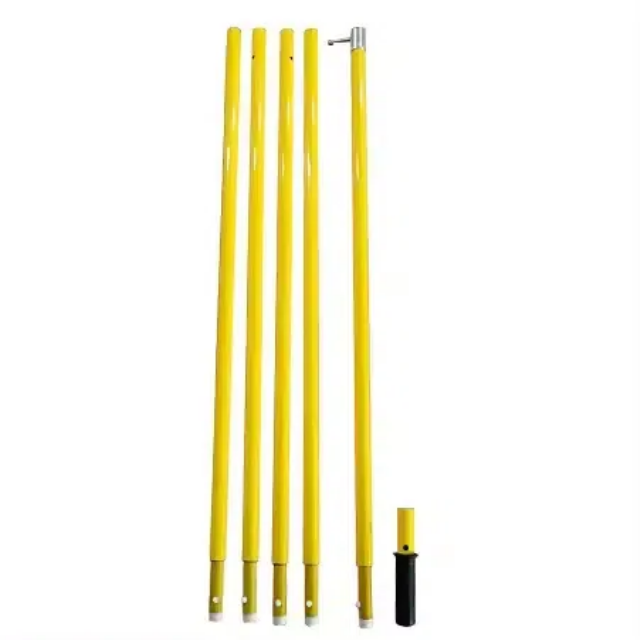
Hot sticks are designed for multiple applications in power line maintenance. Knowing how to use a hot stick across these operations ensures efficiency and reliability on the job. From routine switching to more specialized testing, each task requires care and experience.
Opening and closing switches
One of the most frequent tasks performed with a hot stick is the operation of disconnect switches. By attaching the appropriate tool head, linemen can safely open or close circuits without direct contact. The stick must be aligned with the switch handle, and movement should be slow and steady to prevent arcing. With correct use, the operation is seamless and minimizes risk. Many utilities rely on hot sticks daily for this purpose, making consistency and accuracy crucial.
Removing fuses and cutouts
Hot sticks are also essential for handling fuses and cutouts. The tool allows linemen to disengage components while keeping a safe distance. This requires extra care, as fuses may still carry residual charge. The operator should carefully hook, twist, or lift the fuse with consistent control, ensuring it is fully disengaged before lowering it away from the energized area. A rushed removal can create unnecessary hazards, while steady handling ensures both safety and reliability of the system.
Using testers or attachments
Beyond switching and fuse operations, hot sticks can be equipped with voltage testers, grounding devices, and other attachments. Each requires precise alignment and firm handling. For example, a voltage tester attachment allows confirmation of live-line status before proceeding with repairs. This step is crucial for protecting workers from accidental energization. At JITAI, we provide a range of attachments to expand the versatility of our hot sticks, ensuring users can perform multiple operations with confidence. Having these options reduces the need for additional tools, making fieldwork more efficient.
Mistakes to Avoid
Understanding how to use a hot stick also means knowing what not to do. Avoiding common errors prevents unnecessary risks and maintains the integrity of both the tool and the operator’s safety. While training covers most of these, reminders are essential because real-world conditions can sometimes encourage shortcuts.
Using damaged or dirty sticks
A damaged or contaminated stick cannot perform as intended. Overlooking small cracks or allowing dirt buildup reduces insulation capacity. Some workers may attempt to use older sticks without inspection, assuming they remain reliable. This practice is unsafe and must be avoided. Proper cleaning and testing are non-negotiable before each use. Taking a few extra minutes for preparation can make the difference between safe operation and dangerous failure.
Overreaching or improper angle
Hot sticks are designed to provide safe distance, but users may sometimes overextend beyond comfortable range. Overreaching reduces control and increases fatigue, leading to mistakes. Using the correct length of stick for the job prevents this problem. Operators should also avoid working at awkward angles, which can strain the body and make movements unstable. Choosing the right size of hot stick from the start is part of safe preparation.
Neglecting PPE requirements
A hot stick is only one part of an overall safety system. Personal protective equipment (PPE) such as insulated gloves, helmets, and safety belts must always be worn. Relying solely on the stick without proper PPE creates unnecessary risks. Combining the tool with protective gear ensures maximum safety when working around energized lines. At JITAI, we encourage integrated safety practices where every protective element works together.
Conclusion
Learning how to use a hot stick correctly is essential for every lineman and technician working in high-voltage environments. The process begins with careful inspection, continues with safe handling, and extends to performing operations with precision. By avoiding common mistakes and maintaining regular equipment checks, operators safeguard both themselves and the power systems they maintain. At JITAI, we are committed to supplying high-quality hot sticks and related safety tools that meet international standards and serve the needs of professionals worldwide. If you are looking for reliable equipment backed by expertise, contact us today to learn more about our full product range.


