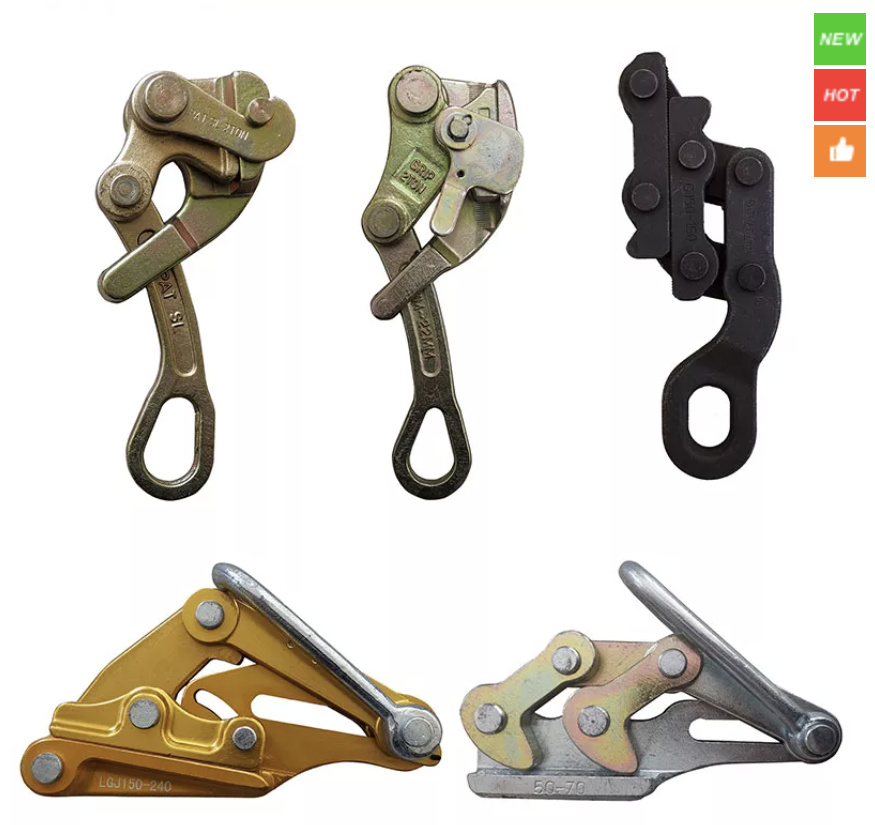
A come along is a versatile and essential tool used for various tasks involving lifting, pulling, or securing heavy objects. Whether you're working in construction, automotive repair, or even just around the house, a come along can make many strenuous tasks much easier. This article explores how to use a come along, its key applications, and much more, answering frequently asked questions and giving you the knowledge you need to use it effectively.
Key Applications of Come Alongs
A come along can be a lifesaver in many situations. Whether you're trying to move a heavy vehicle or pull something into place, it's the go-to tool for many professionals and hobbyists alike. Below are some of the most common applications for a come along:
1. Vehicle Recovery
If you've ever been stuck in a mud pit, snowbank, or other sticky situations, a come along can help pull your vehicle out. By using a come along in conjunction with a tree or another sturdy anchor point, you can slowly but steadily winch your vehicle back onto solid ground.
2. Lifting Heavy Loads
While it’s primarily designed for pulling, a come along can also be used to lift heavy loads. This is particularly helpful for projects such as moving machinery, installing a fence, or raising large beams during construction.
3. Tensioning Cables or Fencing Wire
For tasks like setting up a fence, a come along can be used to pull the wire taut and secure it in place. It provides the necessary tension to ensure the wire stays tight without the need for heavy machinery.
4. Pulling Objects into Position
A come along is commonly used in construction, woodworking, and metalworking to pull heavy materials into precise positions. It’s perfect for aligning large objects like beams or machinery and pulling them into place without the need for multiple people.
5. Vehicle Maintenance and Repair
In automotive shops, come alongs are used for pulling engines, transmissions, or heavy components out of vehicles. They provide controlled lifting or pulling power that ensures the component is safely removed or replaced.
How Does a Come Along Work?
A come along operates as a hand-powered winch that uses a mechanical system to pull, lift, or secure heavy loads. It is commonly used in construction, automotive recovery, and even in DIY projects where heavy lifting or pulling is required. Below is a detailed breakdown of how a come along works, highlighting the key components and their functions:
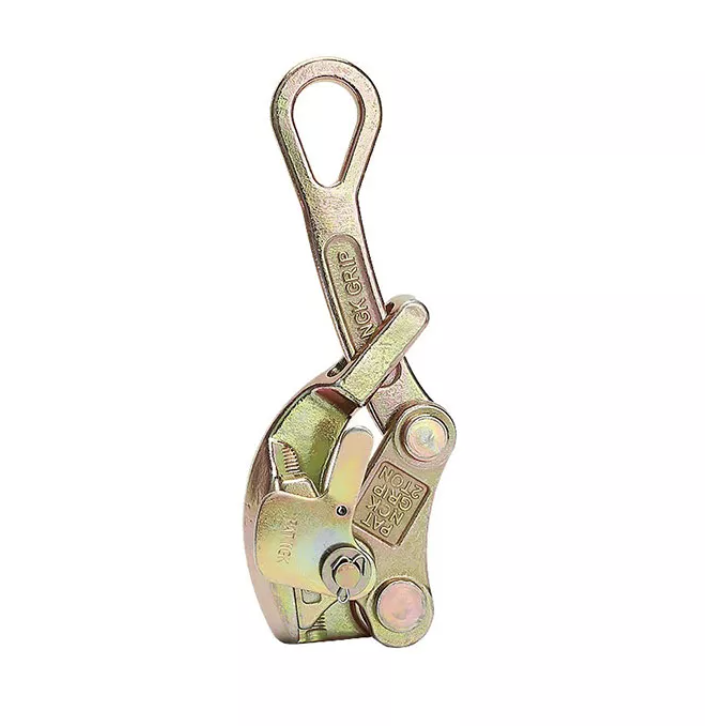
1. The Ratchet Mechanism: The Core of a Come Along
The ratchet mechanism is the heart of a come along. This mechanism allows the user to apply continuous tension on the cable while preventing it from slipping or unwinding. The ratchet works by locking the cable in place after each turn of the handle, ensuring that the cable does not unwind as force is applied.
How it Works: When you rotate the handle, the internal ratchet teeth engage with the gear mechanism, locking it in place after every turn. This design allows you to pull the cable tight without the risk of the cable slipping backward, ensuring secure and reliable pulling or lifting.
Control: The ratchet feature also allows you to adjust the amount of force applied with each turn, offering precise control when pulling heavy objects.
2. The Cable or Rope: The Pulling Power
The come along uses either a steel cable or synthetic rope, depending on the model and the intended application. The choice between steel and synthetic materials depends on factors such as weight capacity, durability, and flexibility.
Steel Cable: Strong and durable, a steel cable can handle heavier loads and is less prone to wear. It's commonly used for heavy-duty applications.
Synthetic Rope: Lighter and more flexible, synthetic rope is easier to handle and store but may have a lower weight capacity compared to steel cables.
The cable or rope runs through the ratchet mechanism, and as you crank the handle, the cable is either pulled in or released, depending on the direction of rotation.
3. Hooks or Attachments: Securing the Load
At the end of the cable, there are typically hooks or other types of attachments designed to secure the come along to a fixed point. These hooks are vital for anchoring the come along to sturdy objects and transferring the pulling force efficiently.
Hook Types: The hooks are usually made of strong metal and are designed to latch onto anchor points like trees, vehicles, or structural beams. In some cases, the hooks have safety mechanisms like latches or clips to prevent accidental disconnections.
Securing Points: The come along can be attached to various secure points, such as a vehicle frame, tree trunk, or fence post, depending on the situation and the required force. Always ensure the attachment point is strong enough to withstand the force being applied.
4. The Handle: Applying the Force
The handle of the come along is the part you physically interact with. As you rotate the handle, it turns the ratchet mechanism, winding the cable in the desired direction. The longer the handle, the greater the mechanical advantage, making it easier to pull or lift heavier loads.
Leverage and Force: The handle acts as a lever, amplifying the force applied to the load. A longer handle provides more torque, making it easier to move heavy objects. Some models feature a folding handle for easier storage, while others have ergonomic designs for better grip and control.
Manual Power: Since come alongs are hand-operated, the user must manually turn the handle to generate the pulling force. This allows for precise control over how much force is applied, but it also means that the user needs to exert physical effort.
5. Direction of Force: Pulling or Lifting
A come along is primarily designed to pull objects in a straight line, but it can also be used for lifting when positioned correctly. By adjusting the angle at which the come along is used, you can apply force vertically or horizontally.
Pulling: For pulling, the come along works in a linear direction, slowly drawing the load toward the anchor point. This is typically used for tasks like vehicle recovery or moving large objects into position.
Lifting: If you need to lift a heavy object, the come along can be positioned vertically, and with careful control, it can apply upward force. It's essential to use the correct orientation and attachment points to ensure the lifting process is safe and effective.
The come along is a highly flexible tool that adapts to both pulling and lifting needs. While its primary purpose is pulling, it can be used in various positions to provide the necessary force for a range of tasks.
What to Attach a Come Along To?
To use a come along effectively and safely, securing it to a solid and reliable anchor point is essential. The force exerted by the come along can be significant, so it is crucial that the object or surface to which you attach it can withstand the applied tension. Below is a more detailed look at different anchor points you can use for a come along.
1. Trees as Anchor Points for a Come Along
A strong, healthy tree is one of the most commonly used anchor points for a come along, especially when recovering a stuck vehicle or moving large objects. The thick trunk of a tree can often support the tension required to pull or lift heavy loads.
Tree Selection: Ensure the tree is healthy, has a thick trunk, and is firmly rooted in the ground. Avoid trees with visible damage or weak trunks, as they may not handle the force and could break under tension.
Considerations: Always choose a tree that stands in a stable position and isn’t leaning, as it might bend or fall when under pressure. It’s also wise to inspect the tree for any signs of decay, which could compromise its strength.
2. Vehicles as Anchor Points
When you are using a come along to pull another vehicle out of a ditch or stuck area, it is common to anchor the tool to a second, stationary vehicle. This method is particularly helpful in vehicle recovery scenarios, such as when one vehicle is bogged down in mud or snow.
Vehicle Positioning: The anchor vehicle should be on solid ground and not at risk of slipping or moving during the operation. Position the vehicle as close as possible to the object you’re pulling.
Vehicle Considerations: Ensure that the vehicle is in neutral, and the parking brake is engaged. It’s also helpful to have someone in the anchor vehicle to monitor the situation and ensure that no excessive strain is placed on the vehicle.
3. Structural Beams: Ideal for Lifting and Construction Tasks
For construction or lifting tasks, structural beams in buildings or other infrastructures provide an excellent anchor point. These beams are designed to bear heavy loads, making them well-suited for use with a come along.
Beam Strength: Ensure that the beam is made from a durable material such as steel or reinforced concrete. Test the beam's stability before attaching the come along.
Proper Attachment: Attach the come along securely to the beam using a strong hook or other appropriate attachment. Avoid anchoring to weak or non-supportive parts of the structure.
Safety Check: Make sure the beam can withstand both the force of the come along and any load being pulled. If unsure, use additional support or reinforcement.
4. Posts: Reliable Anchor Points for Fencing and Tensioning
Fence posts or heavy-duty metal posts are commonly used when installing or tensioning fences, pulling cables, or securing objects. These posts provide a stable and secure anchor for a come along in outdoor or agricultural applications.
Post Material: Ensure the post is made of strong, durable materials such as treated wood or heavy-gauge steel. Metal posts are often the most reliable option, especially in high-tension situations.
Post Installation: The post must be deeply anchored in the ground to avoid slippage or movement when the come along is in use. Posts set in concrete offer the best stability.
Considerations: For wooden posts, ensure they are not rotting or weak. Reinforced steel posts are often the best choice for heavy-duty applications.
5. Other Fixed Objects for Anchoring a Come Along
If none of the previous options are available, you can use other sturdy, fixed objects as anchor points for your come along. Common objects might include large rocks, metal structures, or other immovable items.
Rock or Large Boulders: When using a rock or boulder, choose one that is large and deeply rooted in the ground. Avoid rocks that are loose or easily moved.
Metal Structures: Metal beams, posts, or other heavy structures can work as anchor points. Ensure that the structure is secure and able to bear the load without moving or deforming.
Other Considerations: Always ensure the object you are attaching the come along to is solid, immovable, and capable of bearing the pulling force. Avoid using objects that are weak, unstable, or likely to shift under pressure.
6. Additional Tips for Choosing the Right Anchor Point
Anchor Point Height: Ensure the height of the anchor point is suitable for the task. For pulling or lifting heavy loads, the anchor point should be positioned in such a way that the cable or rope runs at a favorable angle for the come along to work efficiently.
Strength vs. Distance: Choose anchor points that are close enough to minimize strain but strong enough to bear the load. Too far an anchor can create unnecessary strain, while too close might limit your ability to move the load.
Safety First: Always inspect the anchor point before beginning to use the come along. Never use an anchor that you believe may give way under the tension, as it could result in damage to equipment or injury.
How Much Weight Can a Come Along Pull?
The amount of weight a come along can pull depends on the type of come along and the material of the cable. Most standard come alongs are rated to pull anywhere from 1 ton to 10 tons, with heavier-duty models capable of pulling even more.
Here’s a general guideline on pulling capacity:
Standard Models: Can pull up to 2 tons (4,000 lbs)
Heavy Duty Models: Can pull up to 5-10 tons (10,000-20,000 lbs)
When selecting a come along, always consider the weight of the load you need to pull and make sure the come along is rated for that weight. Always use a come along that exceeds the required capacity to ensure safety
FAQ
Q: How Do You Release a Come Along?
A: Releasing a come along is simple but should be done with care. First, disengage the ratchet mechanism by pulling the release lever. Then, slowly unwind the cable by turning the handle in the opposite direction. Always release tension gradually to avoid sudden jerks that could damage the come along or the object being pulled.
Q: Can a Come Along Pull a Truck Out?
A: Yes, a come along can pull a truck out of a ditch or stuck area, provided that the truck's weight does not exceed the pulling capacity of the come along. For heavy-duty trucks, you'll need a come along rated for high weight, and you should always ensure a solid anchor point for safety.
Q: Can You Use a Come Along for Lifting?
A: Yes, a come along can be used for lifting. However, it is important to ensure that the load is securely attached and that the come along is being used in the right orientation for lifting. It is often used to lift heavy machinery or vehicles in controlled situations.
Q: Can I Use a Come Along Instead of a Winch?
A: While a come along can perform similar tasks as a winch, it is not as efficient for large-scale applications. A come along is suitable for light to medium-duty tasks, such as pulling vehicles or lifting machinery. However, for larger loads or continuous operation, a winch is more appropriate due to its motorized system.
Conclusion
The come along is an indispensable tool for a variety of tasks, from pulling vehicles to lifting heavy objects. Whether you're a professional or a DIY enthusiast, mastering the use of a come along will allow you to tackle many tough jobs efficiently. For those looking to purchase quality come alongs, JITAI Electric Power Equipment Co., Ltd. offers a wide range of durable and reliable models designed to meet your specific needs.


