A come along, often referred to as a manual winch or hand winch, is a versatile tool used for pulling, lifting, and securing heavy objects. It operates using a ratchet mechanism and is commonly used in a variety of settings, from construction and landscaping to vehicle recovery. However, one of the most important factors when using a come along is understanding its weight capacity. This article will explore the weight capabilities of come alongs, the key factors that affect their capacity, and how to determine the right tool for your needs.
What is a Come Along?
A come along is a hand-operated tool designed to move heavy loads using a cable or chain. It typically features a ratchet mechanism that allows the user to gradually pull an object toward a fixed point. The come along is lightweight, portable, and simple to use, making it an ideal solution for tasks requiring controlled pulling or lifting of heavy objects in various environments.
Come alongs are typically used in applications such as vehicle recovery, pulling large objects like trees or machinery, or tightening cables in construction and fencing. They provide mechanical advantage, which allows users to exert a significant amount of force with minimal effort. While they are manually operated, come alongs are highly effective for a wide range of tasks.
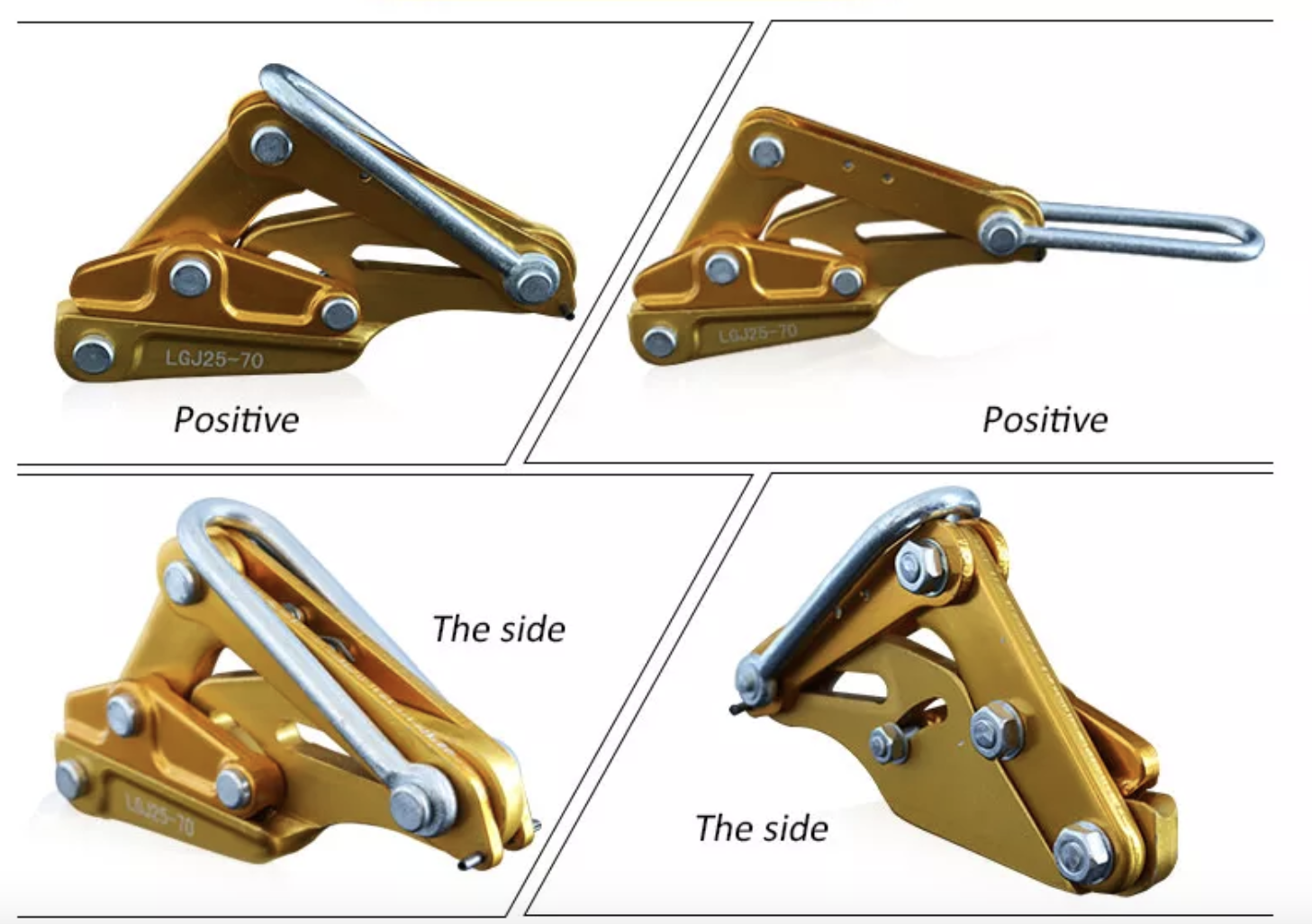
Common Capacities of a Come Along
The weight capacity of a come along is one of the most important considerations when choosing the right model for your needs. Capacities can vary depending on the make and model, but most come alongs fall within certain ranges:
Light Duty Come Alongs: These models typically have a pulling capacity ranging from 1,000 lbs to 3,000 lbs. These are ideal for smaller, lighter tasks, such as pulling smaller vehicles out of mud, moving equipment, or stretching wires.
Medium Duty Come Alongs: These come alongs are designed for heavier tasks and usually have a pulling capacity of 3,000 lbs to 6,000 lbs. They are commonly used for larger vehicles, construction materials, and tree removal.
Heavy Duty Come Alongs: For more demanding applications, heavy-duty come alongs can have pulling capacities of 6,000 lbs to 12,000 lbs or even higher. These are used for moving or lifting very heavy equipment, large vehicles, and industrial-grade materials.
Capacity Chart:
Type | Pulling Capacity | Typical Applications |
Light Duty | 1,000 lbs – 3,000 lbs | Smaller vehicles, equipment, light-duty lifting and pulling |
Medium Duty | 3,000 lbs – 6,000 lbs | Larger vehicles, construction tasks, heavy lifting |
Heavy Duty | 6,000 lbs – 12,000 lbs | Industrial equipment, large vehicles, tough recovery jobs |
Key Factors Affecting Capacity
Several factors influence the pulling capacity of a come along, and understanding them helps ensure you select the right tool for your needs and operate it safely and efficiently. Here are the key elements that determine the pulling power of a come along.
1. Cable Material and Diameter
The material and diameter of the cable are fundamental to a come along’s pulling capacity. Steel cables are commonly used for heavy-duty models due to their high tensile strength, which allows them to withstand greater force without breaking. The thickness of the cable also plays a critical role; thicker cables can support more weight and are less prone to fraying, making them suitable for tougher jobs. Thinner cables, while lighter and more flexible, are better suited for lighter tasks. If you need to pull or lift a heavy load, choosing a come along with a thicker steel cable ensures better performance and safety.
2. Gear Ratio
The gear ratio in a come along affects the mechanical advantage it offers. A higher gear ratio allows the user to pull heavier loads with less physical effort. Essentially, a higher gear ratio increases the pulling power without requiring as much exertion from the operator. However, this comes with a trade-off: more turns of the handle are needed to move the load the same distance, making it a bit slower. On the other hand, a lower gear ratio may require more effort but moves the load faster per turn of the handle. Choosing the right gear ratio depends on the weight of the load and the task at hand.
3. Build Quality and Material
The build quality of the come along influences its strength and longevity. Models made with high-quality steel or alloy metals provide superior durability and strength, allowing them to handle heavier loads. Poorly constructed models made with weaker materials can fail under strain, reducing their rated capacity. For optimal performance, choose come alongs with sturdy construction and reliable materials to ensure they can withstand the forces exerted during use.
4. Leverage and Anchor Points
Leverage refers to the angle at which the come along is used, and anchor points are where the tool is secured during operation. The angle of pull is critical; a straight pull is the most effective, as steep angles require more force. If the anchor point is weak or unstable, the pulling capacity of the come along can be significantly reduced. Secure the come along to a stable, immovable anchor, such as a heavy-duty tree, post, or other sturdy objects, to ensure the tool functions at its maximum capacity.
5. Condition of the Tool
The overall condition of the come along directly affects its pulling power. Regular use, along with environmental factors like moisture and dirt, can lead to wear and tear on the cable, gears, and other components. A well-maintained come along operates at its full capacity, while a damaged or rusted tool can fail to exert the necessary force. Always check the tool before use, inspect the cable for fraying, lubricate the gears to prevent rust, and ensure the handle is secure. Proper maintenance will keep the tool functioning safely and efficiently over time.
Factors That Reduce Pulling Power
While a come along can exert significant force, certain factors can reduce its pulling power. Understanding these elements ensures you get the most out of your tool and operate it safely.
1. Friction
Friction between the cable and the surface being pulled over is a major factor that reduces the effectiveness of a come along. When pulling a heavy load over rough surfaces like dirt, gravel, or rocks, friction increases, requiring more force to move the load. This added resistance can reduce the efficiency of the tool, especially on uneven terrain.
To mitigate friction, using a pulley system can help redirect the cable and distribute the load more evenly, reducing the amount of resistance. Additionally, using the come along on smoother surfaces or lubricating the cable can help maintain pulling power.
2. Cable Wear
A worn or frayed cable significantly reduces a come along’s pulling capacity. Over time, exposure to harsh environments—such as extreme weather, dirt, or sharp edges—can weaken the cable. A degraded cable loses tensile strength, making it prone to snapping or breaking under tension, which compromises the tool's performance.
Regularly inspect the cable for signs of damage, such as fraying, kinks, or rust. If the cable is worn, replace it immediately to ensure safe and efficient operation. Using a protective cover for the cable can help prevent wear and tear, especially in rough conditions.
3. Incorrect Angle of Pull
The angle at which the come along pulls the load plays a significant role in its efficiency. If the angle is too steep, the tool will have to work harder to move the load, reducing its pulling power. A straight pull (as parallel to the ground as possible) allows for maximum force transfer and minimizes unnecessary strain.
Using a pulley system or adjusting the anchor points can help achieve a more optimal angle, ensuring better efficiency and reducing the strain on the tool.
4. Improper Use of Anchors
The strength and stability of the anchor point are crucial to the effectiveness of a come along. Weak, unstable, or improperly secured anchor points can cause the tool to slip or fail under pressure, reducing its pulling capacity. Always use a strong, immovable anchor like a large tree, solid post, or another stable vehicle. Avoid using fragile or movable objects as anchors.
Regularly check anchor points for stability and ensure they are securely fastened. Using multiple anchor points when dealing with larger loads can provide additional stability and ensure a more effective pull.
Heavy-Duty Models
Heavy-duty come alongs are designed to handle more demanding tasks and are built with stronger materials, improved gear systems, and heavier-duty cables. These models can pull larger vehicles, industrial equipment, or bulky construction materials. They typically feature high-quality steel cables, higher gear ratios, and larger handles for maximum leverage.
Some heavy-duty come alongs come with additional features such as reinforced handles, ratchet-locking mechanisms, or dual cable systems for increased pulling capacity. These come alongs are perfect for professionals in construction, automotive recovery, and industrial settings where power and reliability are essential.
Important Considerations When Using a Come Along
While a come along is an essential and powerful tool, proper usage is crucial for both safety and efficiency. Understanding key factors like weight capacity, tool maintenance, proper anchoring, and the angle of pull can significantly impact the tool's performance. Below are important considerations to ensure safe and effective operation:
1. Know the Weight Capacity
Before using a come along, it’s essential to check the weight capacity of the tool. Exceeding the rated weight can lead to serious damage, including broken gears, snapped cables, or even a catastrophic failure of the tool. Always ensure that the load you're attempting to pull does not surpass the specified weight limit. This information is typically available in the tool’s manual or on a label on the come along itself. If in doubt, opt for a come along with a higher capacity than needed, as it's always safer to have extra strength rather than strain the tool by pushing it beyond its limits.
2. Inspect the Tool Regularly
A come along is subject to wear and tear, especially when used in tough environments. Before each use, inspect the cable, gears, and handles for any signs of damage or wear. Look for frayed cables, rust, or any damage to the ratchet mechanism that could impair its function. The handles should be firmly attached and free from cracks or defects. Regular maintenance and replacing worn parts when needed will help ensure the come along operates efficiently and safely. Neglecting maintenance can lead to sudden failures, which could cause accidents or damage to the load or tool.
3. Use Proper Anchor Points
The anchor points where the come along is attached are crucial for its performance and safety. Always ensure the anchor points are stable, secure, and strong enough to handle the force generated by the tool. A weak or unstable anchor can lead to the tool slipping or malfunctioning under pressure, causing it to fail. Good anchor points include large trees, immovable structures, or solid vehicles. Never use loose, unstable, or movable objects as anchor points, as they can give way during operation, potentially resulting in accidents.
4. Correct Angle of Pull
The angle of pull plays a significant role in the effectiveness of the come along. To minimize unnecessary strain on both the tool and the user, always aim for the most straight and direct pull possible. Pulling at an angle can decrease the pulling power of the come along, requiring more force to achieve the same result. If the angle is too steep, consider using a pulley system to help redirect the pull and reduce stress on the tool. By maintaining the correct angle, you maximize the mechanical advantage and ensure smoother, more efficient operation.
FAQ
What’s the difference between a come along and a winch?
A winch is typically a motorized tool that uses a motor to pull heavy loads, while a come along is a manual, hand-operated device. Winches are faster and can handle larger loads, but come alongs are more affordable, portable, and easier to use for lighter tasks.
Can a come along pull a truck out?
Yes, a come along can pull a truck out, especially if it’s stuck in mud or snow. However, the size and weight of the truck should not exceed the capacity of the come along. Larger trucks may require a heavier-duty model.
How much weight can a come along pull?
The weight capacity of a come along typically ranges from 1,000 lbs to 12,000 lbs, depending on the model. Light-duty come alongs handle smaller tasks, while heavy-duty models can handle industrial-level loads.
How much weight can a 2000 lb winch pull?
A 2,000 lb winch can pull a load up to 2,000 pounds under ideal conditions. However, the actual pulling power may be less depending on factors like friction, angle of pull, and the condition of the winch.
In conclusion, a come along is a powerful and versatile tool that is essential for a wide range of tasks, from pulling vehicles to lifting heavy objects. By understanding its weight capacity and key factors affecting its performance, users can make informed decisions about which come along model best suits their needs. Whether you're handling light-duty tasks or tackling heavy-duty jobs, a come along is a reliable and cost-effective solution. For high-quality equipment that meets your pulling and lifting needs, consider JITAI Electric Power Equipment Co., Ltd. for all your come along and winch requirements.


