High voltage systems are an integral part of electrical infrastructure, used in power transmission, industrial machinery, and even electrical appliances. Given the potential risks and hazards associated with high voltage systems, it is essential to ensure safety when working around or maintaining electrical equipment. This is where high voltage detectors come in. They provide a vital function in detecting the presence of high voltage in wires, circuits, and systems, ensuring that technicians and workers are safe from electrical hazards.
In this article, we will explore the working principles of a high voltage detector, the types available, and their applications in various industries. Additionally, we’ll provide insights on the importance of using these devices and tips on maintaining them for optimal performance.
What is a High Voltage Detector?
A high voltage detector is a specialized device used to detect the presence of high electrical voltages in a given system or component. These devices are often non-contact and can identify voltages from several hundred volts to several hundred thousand volts, depending on the type. High voltage detectors are used in various industries such as electrical power generation, transmission, and distribution, and they are essential for ensuring the safety of personnel working with high voltage equipment.
Key Features of a High Voltage Detector:
Non-contact Detection: Many high voltage detectors work by sensing the electric field emitted by live wires or components.
Audible or Visual Alerts: They provide an alert through sounds or visual indicators like LED lights to signal the presence of high voltage.
Insulated Components: The device is designed with insulation to prevent users from being exposed to electrical hazards while testing live circuits.
Portable and Handheld: Most high voltage detectors are handheld devices for ease of use in fieldwork and industrial settings.
How Does a High Voltage Detector Work?
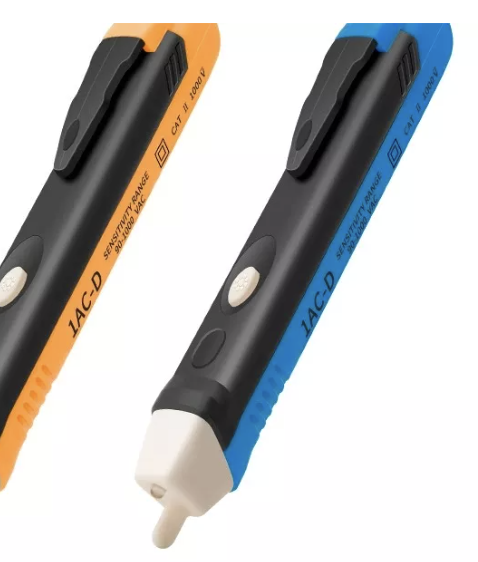
The operation of a high voltage detector is based on detecting the electric field around a high-voltage conductor. When electrical current flows through a conductor, it creates an electric field around it. A high voltage detector senses this field and indicates the presence of voltage without making direct contact with the conductor.
Here’s a breakdown of how these detectors typically work:
1. Electric Field Detection
High voltage detectors are designed to detect the presence of an electric field. When a conductor carries high voltage, it generates an electric field in the surrounding space. The detector uses sensors (often capacitive) to pick up these changes in the electric field.
2. Non-contact Technology
Unlike traditional methods that require direct contact with the electrical system, high voltage detectors use non-contact technology. This feature is crucial for safety because it allows technicians to test live equipment without any risk of direct electrical shock.
3. Voltage Range Detection
High voltage detectors are calibrated to detect voltages within a specific range. Most detectors can identify a wide range of voltages, from low voltage (like 110V) to high voltage (up to several hundred thousand volts). The device will either display a reading or trigger an alarm when the voltage exceeds a certain threshold.
4. Audible and Visual Alerts
Once the high voltage detector detects an electric field, it alerts the user through visual signals, like flashing LEDs, or audible alerts, such as beeps. This allows users to identify the voltage level present and take appropriate action.
Types of High Voltage Detectors
There are various types of high voltage detectors, each designed for different purposes and environments. Here are some common types:
1. Pen-style High Voltage Detectors
These are compact, portable, and typically used by field technicians. They are shaped like a pen, making them easy to carry around. Pen-style detectors are ideal for quickly checking whether a high-voltage line or equipment is live.
2. Clamp-style High Voltage Detectors
Clamp-style detectors are more advanced and are designed for use in industrial settings. These detectors can be clamped around a conductor or cable, and they detect the electric field surrounding the wire. They are often used to measure the voltage on live power lines.
3. Handheld High Voltage Detectors
These are more robust devices that can measure the voltage across high-voltage equipment such as transformers, circuit breakers, or electrical panels. They are equipped with advanced features and are used by technicians to test electrical installations in various environments.
4. Digital High Voltage Detectors
Digital detectors offer advanced functionalities, including the ability to measure both AC and DC voltages, digital readouts of voltage levels, and data logging. They are typically used in research or high-precision tasks where exact voltage measurements are needed.
5. Personal Voltage Detectors
These detectors are worn by personnel and provide real-time feedback about the surrounding voltage levels. These are often used in environments where workers are exposed to high-voltage equipment and need to be constantly alerted to the presence of danger.
Applications of High Voltage Detectors
High voltage detectors are critical tools used in various applications. Below are some of the most common use cases for these devices:
1. Power Transmission and Distribution
In power grids, high voltage lines are used to transport electricity over long distances. High voltage detectors are used by technicians to ensure that the lines are live and to check for any potential hazards before performing maintenance.
2. Electrical Equipment Testing
In industries that involve heavy machinery or electrical equipment, high voltage detectors are used to test equipment like transformers, circuit breakers, and high-voltage cables. They help identify faults or issues in the electrical system.
3. Research and Development
In laboratories or testing environments, high voltage detectors are used to measure and verify the voltage levels in experimental setups. These devices are essential for conducting accurate research in high voltage systems.
4. Safety in Industrial Settings
Workers in industries such as manufacturing, construction, and mining frequently use high voltage detectors to ensure their safety while working near electrical equipment. These detectors help alert workers to the presence of hazardous voltages, minimizing the risk of electrical accidents.
How to Use a High Voltage Detector
Using a high voltage detector is straightforward, but safety is the top priority. Here’s a general guide to using a high voltage detector:
1. Prepare the Equipment
Ensure that the high voltage detector is fully charged and in proper working condition. Check that the sensors are not damaged and that the device is calibrated for the voltage range you plan to measure.
2. Test the Detector
Before using it on high-voltage equipment, test the device on a known live voltage source to ensure it is working correctly.
3. Position the Detector
Place the detector near the high-voltage equipment or wire you want to test. For pen-style detectors, simply point the sensor near the conductor. For clamp-style detectors, clamp them around the wire.
4. Observe the Readings
Once the device is positioned, the high voltage detector will give you an alert. Depending on the model, it will either show a reading on the display or sound an alarm. Be sure to observe the voltage level to ensure that the system is live and functioning as expected.
FAQ
1. What is the range of voltages that a high voltage detector can measure?
Most high voltage detectors can measure voltages ranging from several hundred volts to several hundred thousand volts. However, the specific range depends on the model, so it’s essential to select a device with the appropriate voltage capacity for your needs.
2. Can a high voltage detector measure both AC and DC voltages?
Yes, many high voltage detectors can measure both AC (alternating current) and DC (direct current) voltages. This makes them versatile and suitable for various applications.
3. How often should I calibrate my high voltage detector?
It’s important to calibrate your high voltage detector periodically to ensure accurate readings. Calibration frequency depends on the manufacturer’s recommendations and how often the device is used, but it is generally recommended to calibrate every 12 months.
4. Is a high voltage detector safe to use?
Yes, high voltage detectors are designed with safety in mind. Most devices are non-contact, meaning they can detect voltages without direct contact with electrical conductors. Always follow safety protocols and use the detector in accordance with the manufacturer’s instructions.
5. Where can I use a high voltage detector?
High voltage detectors are used in a variety of environments, including power plants, electrical substations, factories, construction sites, and laboratories. They are especially useful in areas where workers are exposed to live electrical equipment and need to be alerted to the presence of dangerous voltage.
Conclusion
A high voltage detector is a vital tool for ensuring safety when working with or around high-voltage electrical systems. By detecting electric fields and providing real-time alerts, these devices help prevent accidents and ensure the proper functioning of electrical systems. Whether you're a professional working in an industrial setting or someone needing to test your electrical equipment at home, a high voltage detector provides peace of mind and safety.
For high-quality high voltage detectors, visit jtdianli, where we offer a variety of reliable and durable products designed to meet your safety and operational needs. Regular maintenance, calibration, and careful handling will ensure your high voltage detector remains a trusted tool for years to come.


