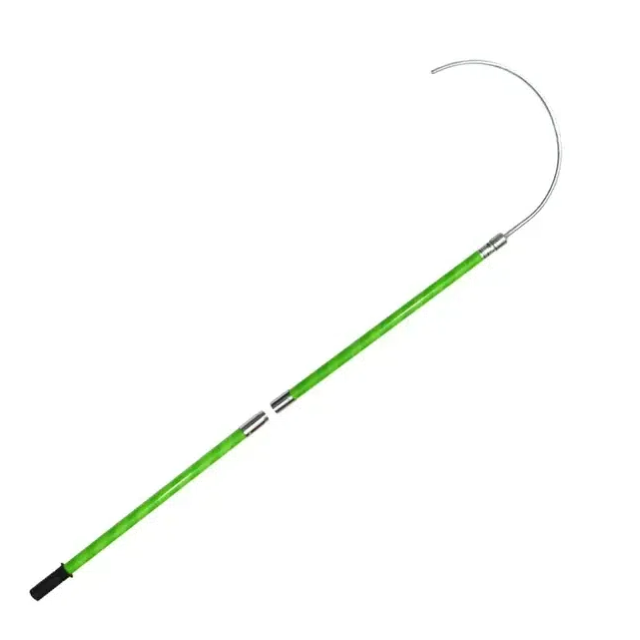
Every piece of safety equipment only performs as well as it is maintained, and this is especially true for the hot stick. Utility workers and linemen rely on hot sticks to insulate them from dangerous voltages, but the integrity of the tool can be compromised if it is not stored with care. Many failures in dielectric testing are traced back not to manufacturing defects, but to improper hot stick storage over time. For a company like JITAI, which supplies professional-grade electrical safety tools to international markets, highlighting the right way to store a hot stick is part of helping customers extend the lifespan of their investment while ensuring worker safety on every job. When companies treat hot stick storage as a central part of their safety culture, they reduce risks and demonstrate a long-term commitment to the protection of their workforce.
Ideal Storage Conditions
Temperature and humidity control
Hot sticks are engineered with insulation materials that can be affected by their environment. Excessive heat, cold, or fluctuating humidity can cause expansion, microcracking, or surface deterioration. For long-term performance, hot sticks should be kept in a climate-controlled space where temperature and humidity remain stable. Avoid damp basements or unventilated sheds where moisture can accumulate, as this may weaken the insulating surface. A dry, well-ventilated indoor area ensures the tool remains dependable for high-voltage applications. Ideally, the storage space should be comparable to the environment used for other precision tools, ensuring consistency and predictability.
Protection from UV and chemicals
Ultraviolet exposure is another factor that shortens a hot stick’s service life. Continuous sunlight can degrade fiberglass and compromise protective coatings. Similarly, contact with corrosive chemicals—whether from solvents, fuels, or industrial cleaners—can damage the surface and impair dielectric strength. Proper hot stick storage requires shielding tools from direct sunlight and ensuring they are never left near chemical storage areas. Protective bags or covers add an extra layer of defense. Companies that adopt strict rules for separating electrical safety tools from workshop chemicals often see much longer service life from their equipment, which translates into lower replacement costs.
Avoiding contact with sharp or heavy objects
A hot stick’s insulating capability depends on a smooth, undamaged surface. Contact with sharp tools, rough edges, or heavy machinery can scratch or dent the surface, which not only reduces its mechanical integrity but can also become an entry point for moisture or contaminants. Storing hot sticks in a dedicated rack or padded area prevents accidental damage and avoids unnecessary replacement costs. Even a small scratch may seem harmless but can become a weak spot under voltage stress. Training workers to handle sticks with respect during storage helps ensure reliable performance when it matters most.
Transporting Hot Sticks Safely
Using protective tubes or racks
Transportation is a major risk period for safety equipment. Hot sticks should not simply be tossed into the back of a vehicle or carried alongside metal tools. Instead, protective tubes or padded transport racks should be used. These containers prevent bending, scratching, and exposure to dust or weather conditions while on the move. Many companies invest in custom-fit tubes to maintain tool condition between job sites. Choosing lightweight yet durable tubes also makes it easier for crews to handle sticks without delay.
Securing sticks in vehicles
Even when stored in protective containers, hot sticks must be secured during transit. Vibrations and sudden stops can shift loose equipment, leading to cracks or impacts. By fastening hot stick tubes or racks to the vehicle frame, workers can avoid costly damage while ensuring tools arrive ready for immediate use. This small precaution can extend the working life of a stick by years. It also improves overall vehicle safety by preventing equipment from becoming a hazard during sharp turns or emergency braking.
Labeling for quick identification
When multiple sticks of different lengths or voltage ratings are in use, clear labeling ensures the right stick is selected quickly without unnecessary handling. Color coding or printed labels on storage racks help crews identify the correct tool at a glance. This practice reduces time lost on the job site and prevents repeated movement of the equipment that could contribute to wear. Over time, this organization system builds efficiency and fosters a culture of accountability where tools are always returned to their proper place.
On-Site Temporary Storage
Where to place a hot stick during work
On a job site, hot sticks are often used intermittently. Placing them on the ground exposes them to dirt, oil, or water, which can contaminate the insulating surface. Workers should instead use designated stands, hooks, or clean padded surfaces to hold the stick between tasks. This habit keeps the stick both accessible and safe from accidental damage. Some crews create designated “resting zones” for tools, ensuring that no hot stick is ever left in a risky position.
Avoiding ground contact or contamination
Moisture, dust, and conductive particles are major enemies of insulation. If a hot stick comes into contact with the ground, even for a short period, it can accumulate debris that affects dielectric performance. By minimizing ground contact and keeping the stick elevated, workers reduce the need for extra cleaning and preserve safety. Contamination may seem minor at first, but it can spread quickly along the stick surface and compromise its insulating layer.
Quick wipe-down before reuse
If a stick does pick up dust or contaminants during work, a quick wipe-down with an approved cleaning cloth restores the surface before reuse. This simple routine not only ensures immediate safety but also reduces the buildup of dirt that can shorten the stick’s overall service life. Regular cleaning is part of responsible hot stick storage, both in the field and in facilities. A team that commits to fast but consistent cleaning practices develops confidence that every tool is ready whenever needed.
Long-Term Storage Practices
Shelving and vertical vs horizontal storage
For hot sticks not used daily, proper shelving is essential. Sticks can be stored either vertically or horizontally, but whichever method is chosen, consistency matters. Vertical storage in racks keeps sticks separated and free from bending pressure. If stored horizontally, they should be supported along their full length to prevent warping. Never rest them directly on concrete floors, as moisture can seep into the material. Providing cushioned supports or shelving lined with non-conductive padding further protects the integrity of the fiberglass.
Scheduled inspection during storage
Even when not in active use, hot sticks require scheduled inspection. Over time, dust, environmental exposure, or unnoticed scratches can accumulate. Setting a calendar for regular checks ensures that any developing issues are identified early. Inspection should include visual checks for cracks, surface discoloration, or sticky residue, followed by periodic dielectric testing according to safety regulations. This habit builds confidence in equipment and allows managers to plan replacements rather than face sudden failures on the job.
Retirement and disposal rules
No hot stick lasts forever, even with perfect storage. Every product has a service life determined by frequency of use, exposure conditions, and regulatory standards. Once a hot stick consistently fails inspection or testing, it should be retired from service and disposed of according to safety guidelines. At JITAI, we encourage customers to establish clear policies for replacing aging equipment to maintain worker protection without compromise. Retired sticks should never be repurposed for unintended uses, as this creates hidden risks. Instead, proper disposal closes the lifecycle responsibly and ensures crews only work with tools that meet strict standards.
Conclusion
Storing a hot stick properly is as critical as using it correctly. With careful attention to temperature, protection, transport, and inspection, companies can significantly extend the lifespan of their safety tools while preserving their insulating strength. At JITAI, we provide not only high-quality hot sticks but also the knowledge to help customers maximize value from their equipment. Proper hot stick storage reduces costs, prevents premature failure, and—most importantly—keeps workers safe on every line. For further details about our hot sticks and other electrical safety solutions, please contact us today.


