Introduction
When working around high-voltage equipment, a split second can make the difference between a routine task and a life-altering accident. You are likely here because you understand that electrical safety is not a luxury—it is a mandatory requirement for any industrial environment. But with so many options on the market, how do you distinguish a professional-grade barrier from a subpar rubber sheet?
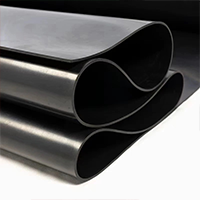
A high-quality switchboard matting solution does more than just sit on the floor. It acts as a primary line of defense, isolating workers from the ground and preventing lethal currents from passing through the body. This guide dives deep into the technical DNA of premium non-conductive flooring. We will explore the five essential features you must verify before clicking "buy," ensuring your facility remains compliant and your team stays protected.
Dielectric Strength and Voltage Rating Verification
The most critical aspect of any switchboard matting is its ability to resist electrical breakdown. This is measured by its dielectric strength. If a mat cannot handle the specific voltage of your switchgear, it is essentially useless. High-quality mats are categorized by "Classes" defined by regulatory bodies like ASTM or IEC.
When you look at a mat, check its underside or the manufacturer's spec sheet for a clear voltage rating. For example, a Class 2 mat is typically tested at 20,000V with a recommended maximum use voltage of 17,000V. You must match the mat's rating to your highest potential exposure. Buying a lower-rated mat to save money is a dangerous gamble with electrical safety.
High-grade insulated rubber is engineered to maintain this resistance even under physical stress. Inferior products might have microscopic air bubbles or impurities in the rubber compound. These defects act as "pathways" for electricity to arc through. Always ask for a test certificate that proves each roll has been proof-tested across its entire surface, not just a random sample.
Material Composition: The Power of Insulated Rubber
What is the mat actually made of? Not all black rubber is the same. To achieve a high voltage safety rating, manufacturers use specialized elastomer compounds. These are designed to be non-conductive while remaining flexible and durable.
Why High-Quality Elastomers Matter
Premium switchboard matting usually features a blend of natural rubber and synthetic polymers. This combination ensures the mat doesn't crack or become brittle over time. In an industrial setting, mats are often exposed to oils, grease, and hydraulic fluids. A high-quality mat will resist these substances. If a mat absorbs oil, its chemical structure changes, and its non-conductive properties could fail.
Longevity and Environmental Resistance
They must also withstand "Ozone cutting." Ozone is a gas often present in high-voltage environments. It can cause standard rubber to develop tiny cracks, compromising the insulated rubber barrier. Look for "Ozone Resistant" labels on your documentation. This feature ensures the mat remains a solid, impenetrable shield for years, even in harsh power rooms or substations.
Surface Texture and Slip Resistance in Industrial Zones
An electrical safety mat is only effective if the worker stays on it. In many power plants or manufacturing hubs, floors can get dusty or damp. If a technician slips while reaching for a high-voltage lever, the results could be catastrophic. Therefore, the top surface texture is a vital feature of high-quality switchboard matting.
Popular Texture Profiles
Corrugated/Ribbed: These have deep grooves that run the length of the mat. They are excellent for trapping dirt and providing a firm "bite" for boot soles.
Diamond Plate: This pattern offers multi-directional traction. It is often preferred in areas where workers move in different directions frequently.
Smooth with Grit: Some mats use a fine texture for easier cleaning while still maintaining a high coefficient of friction.
Practical Traction Benefits
A high-quality industrial mat balances traction with comfort. Workers often stand on these surfaces for hours. A mat that is too hard causes fatigue, while one that is too soft might lack the structural integrity to support heavy equipment. The best switchboard matting offers a "give" that reduces leg strain without sacrificing the non-conductive thickness required for safety.
Fire Resistant and Chemical Tolerance Properties
In the event of an electrical arc or a short circuit, temperatures can spike instantly. A low-quality rubber mat might catch fire or melt, releasing toxic fumes and accelerating the hazard. High-quality switchboard matting is engineered to be fire resistant or self-extinguishing.
Flame Retardant Standards
This feature ensures that the mat will not act as fuel for an electrical fire. Regulatory standards like UL 94 or specific ASTM fire tests provide a benchmark for this. If your facility handles flammable chemicals or sits in a high-temperature zone, fire resistant properties are non-negotiable.
Chemical and Oil Resistance Table
| Substance | Performance of Premium Mat | Performance of Low-End Mat |
| Transformer Oil | High Resistance - Maintains Grip | Swells and Weakens |
| Hydraulic Fluid | Resistant - No Structural Change | Becomes Gummy/Sticky |
| Acidic Wash | Moderate to High Resistance | Rapid Degradation |
| Cleaning Agents | Safe for Daily Use | Surface Discoloration |
By choosing a mat with high chemical tolerance, you ensure that the insulated rubber doesn't degrade when a spill occurs. This keeps the electrical safety barrier intact for the long haul.
Regulatory Compliance and Traceability
You should never buy switchboard matting that lacks clear branding and compliance stamps. A high-quality mat is a documented safety device, much like a hard hat or a pair of safety glasses. It must meet specific national and international standards.
Key Standards to Look For
The most recognized standard in the US is ASTM D178. In Europe and other regions, IEC 61111 is the gold standard. These certifications guarantee that the switchboard matting has undergone rigorous testing for:
Tensile strength
Elongation
Tension set
Dielectric voltage breakdown
The Importance of Traceability
Every roll of high-quality insulated rubber flooring should have a "run number" or a batch code. This allows the manufacturer to track the specific material used and the test results from that day. If there is ever a safety audit or an incident, having this documentation proves that you prioritized electrical safety by purchasing certified, non-conductive equipment.
Conclusion: Making an Informed Investment
Buying switchboard matting is not like buying a standard floor rug. It is a technical purchase that requires attention to detail. By focusing on dielectric strength, material composition, slip resistance, fire resistant properties, and regulatory compliance, you protect your most valuable asset: your employees.
Remember, the "cheapest" mat often ends up being the most expensive if it fails or needs frequent replacement due to cracking and chemical damage. Invest in a high-quality industrial solution that offers peace of mind and long-term durability.
FAQ
Q1: How often should I replace my switchboard matting?
While high-quality insulated rubber is durable, we recommend a visual inspection every month. If you see deep scratches, cracks, or signs of chemical swelling, replace it immediately. Most safety managers replace them every 3 to 5 years regardless of appearance in high-traffic areas.
Q2: Can I use standard rubber mats for electrical safety?
Absolutely not. Standard rubber mats may contain carbon black or other conductive fillers. Only certified non-conductive switchboard matting is tested to withstand specific high-voltage levels.
Q3: How do I clean my insulated rubber mats?
Use mild soap and water. Avoid harsh petroleum-based cleaners, as these can degrade the rubber's chemical structure. Ensure the mat is completely dry before placing it back into service to prevent moisture-induced arcing.
Q4: Does the thickness of the mat determine its voltage rating?
Generally, yes. A thicker mat typically offers a higher voltage Class. However, the chemical purity of the non-conductive compound is just as important as the physical thickness.
About Our Expertise and Manufacturing Strength
Our factory is not just a production site; it is a center of excellence where we specialize in creating high-performance switchboard matting. We operate with cutting-edge technology and a rigorous quality control system that monitors every millimeter of the insulated rubber we produce. Our strength lies in our deep understanding of high voltage requirements and industrial durability.
We don't just sell products; we provide peace of mind. Every piece of non-conductive flooring that leaves our facility has been tested to meet or exceed international standards like ASTM and IEC. Our commitment to using fire resistant and chemically stable compounds ensures that our clients receive the most reliable protection available. When you choose our solutions, you are leaning on years of manufacturing expertise and a world-class team dedicated to keeping workers safe around the globe.


